Top 10 Benefits of Using Flame Arrestors in Industry Applications?
Flame Arrestors serve a critical role in industrial safety. These devices prevent explosions by stopping flame propagation in hazardous environments. According to the National Fire Protection Association (NFPA), over 2,000 industrial fires occur each year. Many of these incidents could be mitigated with proper flame protection.
In industries like petrochemicals and pharmaceuticals, the risks of explosive atmospheres are significant. Flame Arrestors provide a reliable barrier against fire hazards. The International Association of Oil & Gas Producers (IOGP) highlights that using these devices can reduce the likelihood of catastrophic failures in systems dealing with flammable materials.
While most companies recognize their importance, many still overlook them. The effectiveness of Flame Arrestors is contingent upon correct installation and maintenance. Some facilities face challenges in adhering to best practices, leading to potentially dangerous situations. Understanding and addressing these gaps can enhance overall safety in industrial settings. Adopting a proactive approach to utilizing Flame Arrestors is essential for protecting lives and assets.
Benefits of Flame Arrestors in Preventing Explosions in Industrial Settings
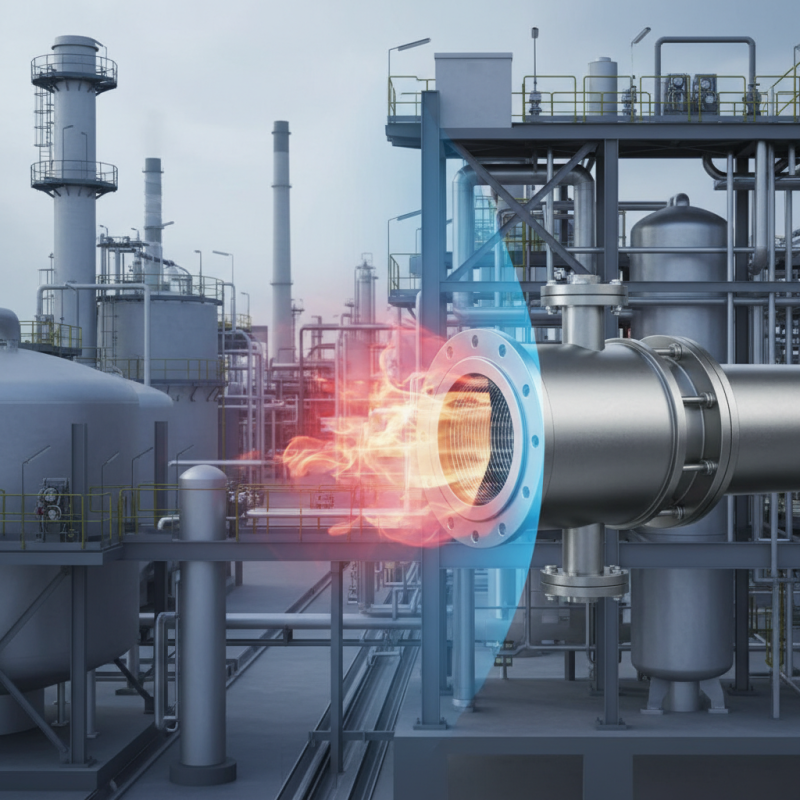
Flame arrestors play a crucial role in industrial safety. These devices prevent flames from traveling into sensitive areas, significantly reducing the risk of explosions. In environments with flammable gases or vapors, a small ignition source can lead to catastrophic outcomes. Flame arrestors act as a first line of defense, ensuring that fire does not spread uncontrollably.
In a manufacturing plant, maintaining a safe atmosphere is essential. Regular checks on flame arrestors can help identify wear or damage. An efficient device can save lives and protect facilities. It's beneficial to train employees on the significance of flame arrestors. Understanding how they function contributes to a culture of safety.
Tips for safety include: keep flame arrestors clean. Dirt can impede their effectiveness. Inspect them often for signs of wear. Replacement may be necessary if they show damage. Educating staff on emergency procedures can also enhance safety. Encourage open dialogue regarding safety practices. Engage employees in discussions about potential hazards. This creates a vigilant workplace aware of risks.
Enhancing Workplace Safety Through Effective Flame Suppression Systems
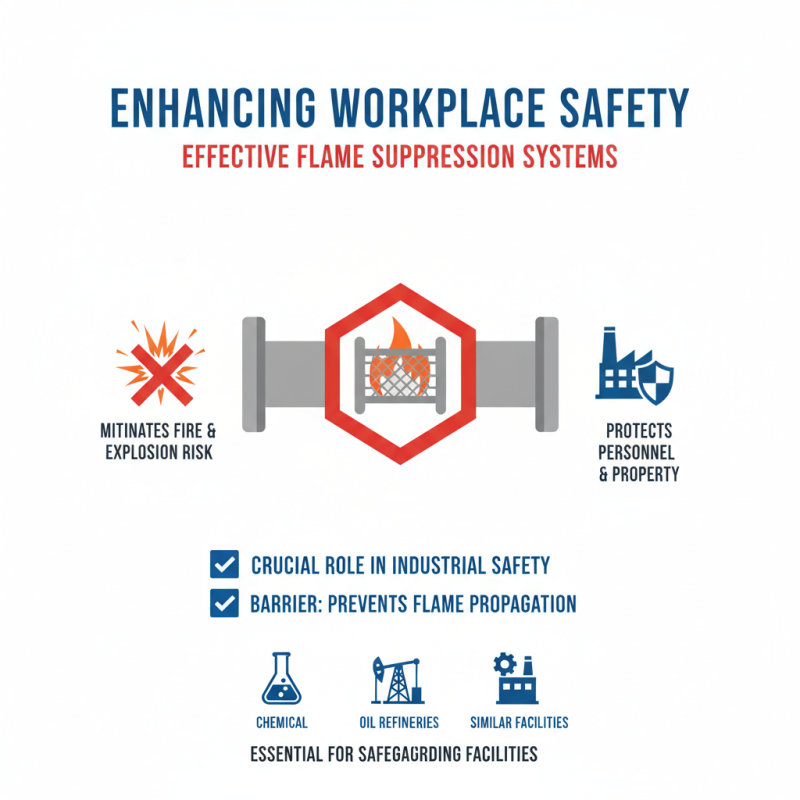
Flame arrestors play a crucial role in industrial safety. They mitigate the risk of fire and explosions in environments with flammable materials. By using these devices, industries can effectively protect both personnel and property. The effectiveness of flame arrestors is enhanced when they are appropriately designed and installed. They act as a barrier, preventing flames from propagating through pipelines. This technology is essential in safeguarding chemical plants, oil refineries, and similar facilities.
When considering flame arrestors, proper maintenance is key. Regular inspections can reveal potential issues before they become serious problems. Always ensure that the units are clean and free from obstructions. Even small blockages can affect their functionality. Adhering to safety standards and guidelines is essential. These practices can prevent catastrophic events, supporting a safer workplace.
Engage your team in safety training sessions. Encourage discussion about flame safety and the role of arrestors. This will boost awareness and foster a culture of safety. Practicing real-life scenarios can help workers respond effectively in emergencies. Always document training and review procedures regularly. It’s vital for keeping everyone informed and prepared.
Cost Savings and Efficiency in Industrial Operations with Flame Arrestors
Flame arrestors play a crucial role in enhancing safety and efficiency in industrial operations. These devices are designed to prevent the propagation of flames in process equipment, offering significant cost savings. According to industry reports, implementing flame arrestors can reduce the risk of catastrophic failures by up to 70%. This statistic underscores their importance in maintaining the integrity of industrial systems.
Moreover, the adoption of flame arrestors can streamline operations. A study by the National Fire Protection Association found that businesses incorporating these devices witness a 25% decrease in downtime caused by fire hazards. Efficient operations lead to lower insurance premiums and reduced liability costs, making flame arrestors a sound investment for many companies.
Despite the obvious benefits, some industries still hesitate to adopt this technology. The initial costs and installation complexities can deter implementation. However, the long-term savings often surpass these concerns. Investing in flame arrestors is ultimately about prioritizing safety and efficiency for sustainable industrial practices.
Top 10 Benefits of Using Flame Arrestors in Industry Applications
Compliance with Safety Regulations and Standards Using Flame Arrestors
Flame arrestors are crucial in industrial applications. They play a key role in ensuring compliance with safety regulations. The presence of flammable gases demands strict adherence to safety standards. Flame arrestors can prevent the propagation of flames and explosions, protecting both personnel and equipment.
Many industries, from oil and gas to chemical manufacturing, must meet safety guidelines. Using flame arrestors helps mitigate risks associated with flammable materials. These devices act as barriers, allowing gases to flow while stopping flames. This compliance approach reduces the chance of costly incidents.
However, relying solely on flame arrestors is not enough. Regular maintenance and inspections are essential for effectiveness. It's important to evaluate the condition of these devices routinely. Neglect can lead to failures that put workers at risk. Investing in training and awareness can reinforce safety cultures within organizations.
Applications of Flame Arrestors Across Various Industries and Sectors
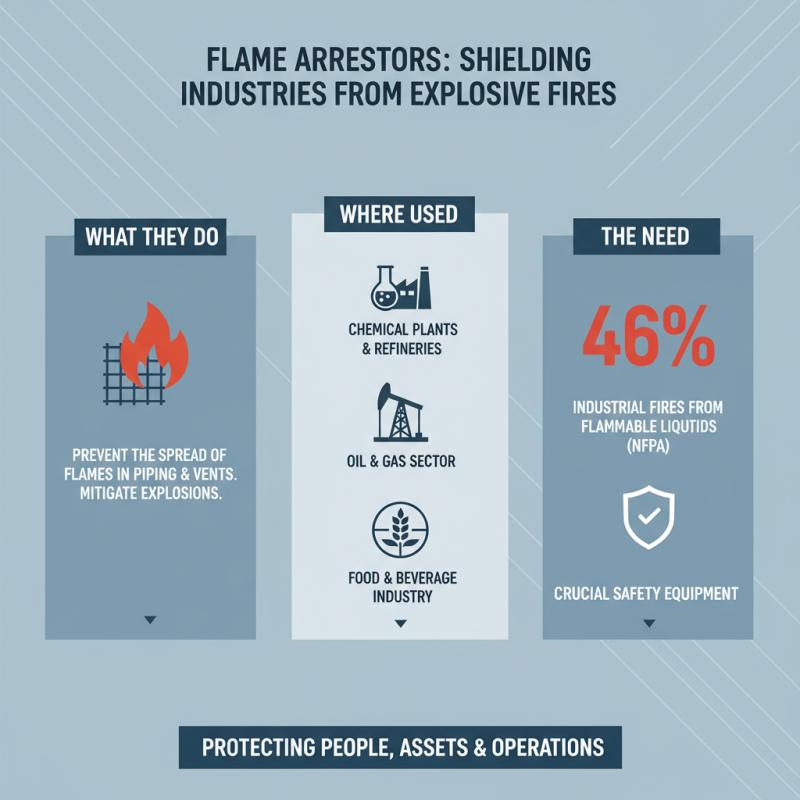
Flame arrestors play a vital role across various industries by preventing explosive fires. They are commonly used in chemical plants, oil refineries, and the food industry. According to the National Fire Protection Association (NFPA), 46% of industrial fires result from flammable liquids. This alarming statistic stresses the need for effective safety equipment such as flame arrestors.
In the food processing sector, flame arrestors help mitigate risks related to volatile chemicals used in cooking and storage. The Food and Drug Administration (FDA) highlights that temperatures can exceed 200 degrees Fahrenheit in some processes. Without proper safety measures, such as flame arrestors, these high temperatures can lead to catastrophic accidents.
Oil and gas operations also benefit significantly from these devices. Data from the American Petroleum Institute indicates that approximately 90% of all offshore incidents involve fire risks. By utilizing flame arrestors, industry leaders can prevent ignition, protecting lives and assets. They provide an essential layer of security in environments where flammable gases and liquids coexist. These statistics reflect the critical nature of flame arrestors in fire prevention strategies across industries.