2026 Best Emergency Relief Valve Features and Benefits?
In high-pressure systems, the role of the Emergency Relief Valve is crucial. These valves act as safety devices, protecting equipment from dangerous overpressure. Understanding their features and benefits can enhance safety and efficiency.
Emergency Relief Valves come in various designs. Their primary function is to relieve excess pressure quickly. This prevents equipment failure and costly damages. The ability to react swiftly to pressure changes sets these valves apart. They must be reliable under varying conditions.
Yet, not all Emergency Relief Valves meet the same standards. Some may lack durability or responsiveness. Choosing the right valve requires careful consideration and research. Users must reflect on their specific needs. A well-chosen Emergency Relief Valve can save lives and reduce risks in high-stress environments.
Overview of Emergency Relief Valves and Their Importance
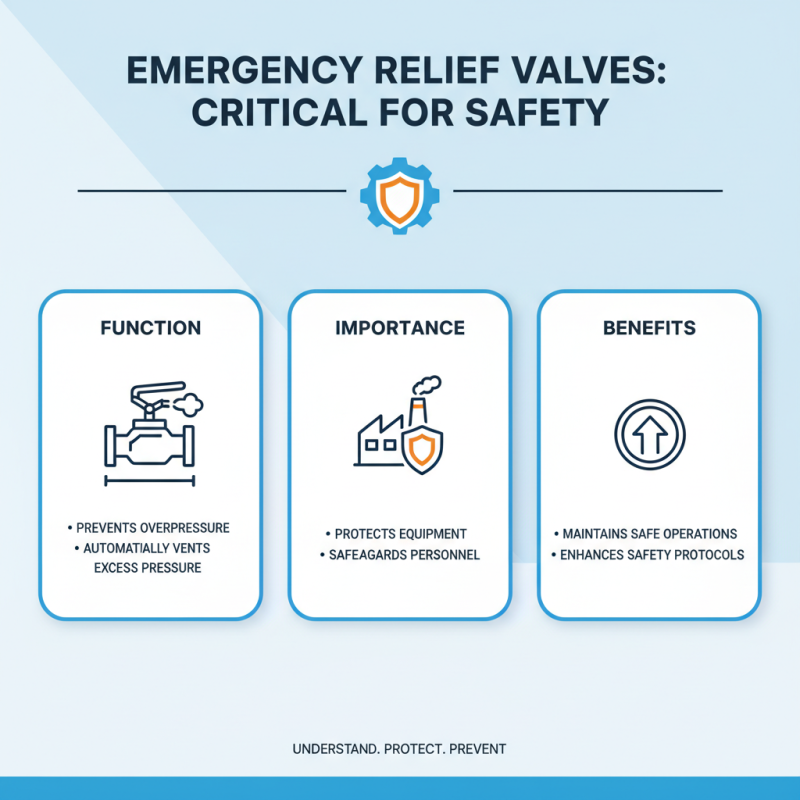
Emergency relief valves play a critical role in various industries. They are essential for preventing overpressure situations. These valves protect both equipment and personnel from potential hazards. By automatically venting excess pressure, they help maintain safe operating conditions. Understanding their features can significantly enhance safety protocols.
Choosing the right emergency relief valve involves knowing its functions and operational benefits. These valves can be pneumatic or hydraulic, depending on the system. They often include features like adjustable pressure settings and durable materials. A well-designed valve can respond quickly, minimizing damage during pressure spikes. Regular maintenance ensures they function correctly when needed.
Tips: Always check the valve's specifications before installation. Regular inspections can reveal wear and tear. Installing a valve in the right location is crucial; improper placement may delay response. Each facility has unique needs, and a one-size-fits-all approach often fails. Consider potential flaws in design or application. Aim for continuous improvement in safety practices.
Key Features of the Best Emergency Relief Valves in 2026
In 2026, emergency relief valves evolve to meet stricter safety standards. These valves are crucial for preventing pressure build-up in various systems. Key features to look for include superior material strength and rapid response time. Advanced designs reduce the likelihood of leaks and failures.
Data from industry reports show that valves with a response time under 5 seconds significantly lower accident rates. In high-pressure environments, this quick activation is vital. A properly calibrated valve can prevent catastrophic incidents, saving both lives and resources.
Tips: Always conduct regular maintenance checks. Inspect seals and connections for wear. Training staff on valve operation is equally important. Misunderstanding the equipment can lead to mistakes.
The 2026 models also incorporate innovative technology, such as digital monitoring. This allows for real-time data tracking and alerts. However, not all facilities have access to this technology yet. Investing in upgrades may be necessary for effective operation.
Benefits of Advanced Materials in Emergency Relief Valve Design
Emergency relief valves are critical for safety in various industries. The materials used in their design play a pivotal role in their performance. Advanced materials enhance durability, resistance to corrosion, and thermal stability, which are vital for valves exposed to harsh environments.
For instance, using high-performance alloys can significantly extend the lifespan of these valves. They can withstand greater pressure and temperature fluctuations. This durability reduces the frequency of replacements, ultimately saving costs. However, the selection process may be challenging. Not all materials are suitable for every application.
Furthermore, the integration of smart materials, such as shape memory alloys, shows promise. These materials can react to changes in temperature or pressure, providing a dynamic response. While this innovation could improve safety, it may also raise concerns about reliability. Designers must carefully address potential drawbacks in these advanced solutions.
2026 Best Emergency Relief Valve Features and Benefits
This chart displays the performance scores of various features and benefits associated with advanced materials used in emergency relief valve designs for 2026. Each rating is out of 10, highlighting the importance of material strength, temperature resistance, corrosion resistance, weight, and cost efficiency.
Safety Standards and Compliance for Emergency Relief Valves
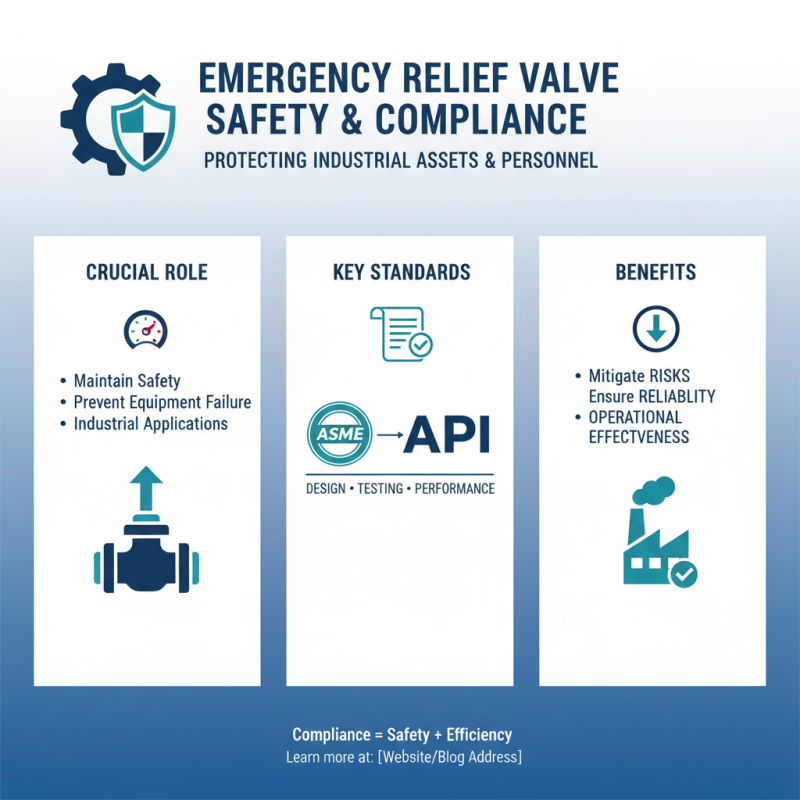
Emergency relief valves play a crucial role in maintaining safety in various industrial applications. Compliance with safety standards ensures these valves operate effectively under pressure. Key standards include ASME and API regulations, which outline design, testing, and performance requirements. These guidelines help mitigate risks associated with equipment failures.
When selecting an emergency relief valve, consider its features. It should provide reliable, quick release of pressure. Assess the materials used in its construction. Corrosion-resistant materials offer durability and extended service life. Regular maintenance is essential. Check for wear and replace components as needed to prevent failure.
Tips: Always follow the manufacturer’s instructions. Familiarize yourself with compliance standards relevant to your industry. Keep records of inspections and maintenance to enhance safety audits. A proactive approach can save time and resources while ensuring safe operations.
Future Trends in Emergency Relief Valve Technology and Innovation
Emergency relief valves are critical for safety in various industries. As technology advances, we see changes that enhance their efficiency. For 2026, the integration of smart sensors is becoming a key focus. These sensors provide real-time data, allowing for better monitoring. This could lead to faster responses during emergencies.
Another trend is the use of advanced materials. Lightweight composites can improve valve performance while reducing wear. These materials may also offer better corrosion resistance. However, it's essential to consider the trade-offs. Not all new materials perform perfectly under all conditions. Testing and refinement are crucial to ensure reliability.
Moreover, automation is reshaping valve operations. Automated systems can adjust the valve's settings in real time. This reduces human error, making systems safer. Yet, there remains a reliance on technology. Systems may fail if not maintained correctly. Continuous evaluation of these innovations will guide future developments in emergency relief valves.