Best Pilot Diaphragm Valve in China for Global Buyers?
In the competitive landscape of valve manufacturing, the **Pilot Diaphragm Valve** stands out as an essential component in various industries. Renowned expert Dr. James Liu, a veteran in fluid control systems, states, "The efficiency of a pilot diaphragm valve can significantly enhance process automation." This highlights the valve's critical role in improving operational efficiency.
China has emerged as a leading manufacturer, offering a diverse range of **Pilot Diaphragm Valves** that cater to global buyers. The market is characterized by rapid innovation and stringent quality standards. Yet, challenges persist, such as ensuring the reliability of these valves in different operating conditions.
Buyers must navigate these complexities while seeking out the best options. With a plethora of choices, selecting the right **Pilot Diaphragm Valve** requires careful consideration. Understanding the technical specifications and applications of these valves is crucial for making informed decisions. The journey may be daunting, but the rewards lie in enhanced performance and reliability.
Overview of Pilot Diaphragm Valves and Their Applications
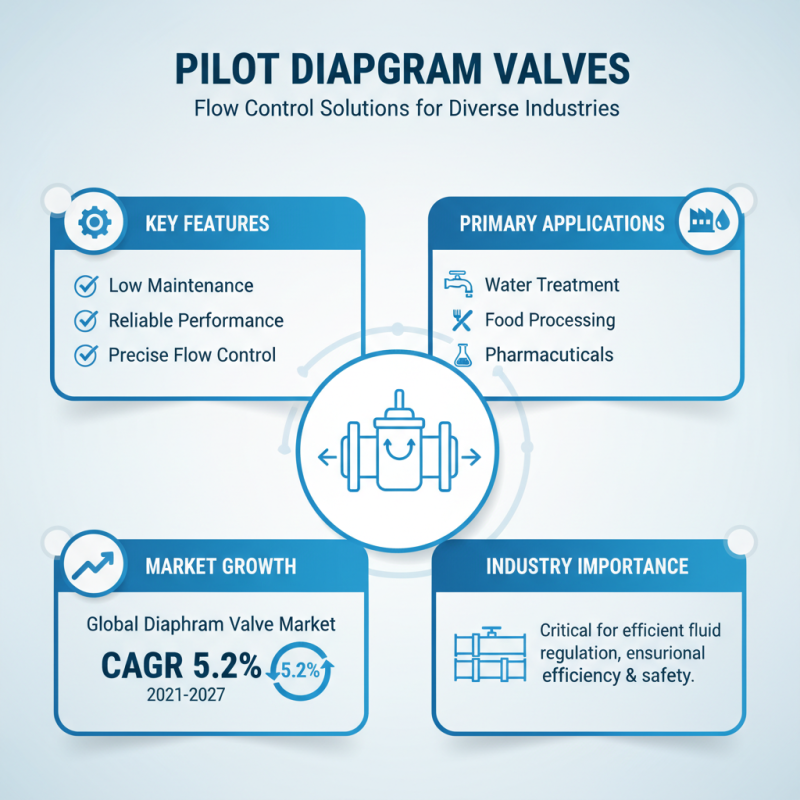
Pilot diaphragm valves are critical components in various industrial applications. These valves are widely used for controlling the flow of fluids in several sectors, including water treatment, food processing, and pharmaceuticals. Their unique design offers the advantage of low maintenance and reliable performance. According to a recent industry report, the global diaphragm valve market is expected to grow at a CAGR of 5.2% from 2021 to 2027. This increase highlights the rising demand for effective flow control solutions.
Applications for pilot diaphragm valves are diverse. For instance, in water treatment facilities, these valves help regulate water pressure and flow rates. They are essential for preventing leaks and ensuring system integrity. In the food industry, they are crucial for maintaining sanitary conditions. However, not all pilot diaphragm valves are created equal. Issues such as material compatibility and diaphragm wear can affect performance. Buyers must carefully evaluate these factors before making a purchase, as the right choice significantly impacts operational efficiency.
In conclusion, understanding the role and applications of pilot diaphragm valves is essential for global buyers. The overall growth in this sector points to the increasing need for advanced fluid control technologies. Prospective buyers must consider not just the technology but also the long-term reliability and maintenance needs of the products they choose.
Key Features to Look for in Pilot Diaphragm Valves
When considering the best pilot diaphragm valves for diverse applications, key features play a crucial role. Look for materials that withstand corrosion and wear. Valves made from durable plastics or metals can ensure longevity. High-quality seals are essential to prevent leaks. They provide a reliable barrier, promoting efficiency in various industries.
Another aspect to evaluate is the valve's response time. A quick, responsive diaphragm valve can enhance system performance. Delays can lead to inefficiencies or system failures. Ensure the actuator mechanism is reliable and precise. Smooth operation translates to better control over fluid dynamics.
Tips: Always verify compatibility with existing systems. Pilot diaphragm valves vary in design and specifications. It's wise to consult with experts when making a selection. Testing prototypes can reveal unexpected challenges. Adjustments may be necessary to optimize performance. Stay informed about innovations in diaphragm valve technology as advancements emerge.
Top Manufacturers of Pilot Diaphragm Valves in China
The demand for pilot diaphragm valves in industrial sectors has surged. China's manufacturing capacity is a significant contributor to this growth. According to a recent industry report, the global diaphragm valve market is expected to reach USD 5.5 billion by 2025, driven by advancements in automation and control systems.
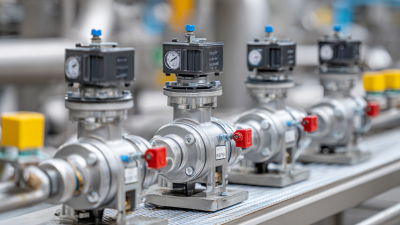
China produces a diverse range of pilot diaphragm valve options. Leading manufacturers focus on high-quality materials and innovative designs. Many companies invest in advanced production technologies to enhance performance. This commitment to quality aligns with the growing needs of global buyers for durability and efficiency.
Tip: When choosing a pilot diaphragm valve, consider the valve’s material compatibility with your application. It may prevent breakdowns and ensure longevity. Many suppliers offer customization options, which can further optimize performance.
Despite the advancements, some manufacturers still face challenges. Inconsistencies in quality can arise due to varying standards across regions. Buyers must conduct due diligence, researching potential suppliers thoroughly. Evaluating certifications and previous customer feedback can provide better insights into reliability.
Tip: Request samples to assess quality before making bulk purchases. This step can save you significant time and expenses in the long run. Opt for manufacturers who offer clear communication and transparency throughout the process.
Best Pilot Diaphragm Valve in China for Global Buyers
| Dimension |
Material |
Pressure Rating |
Temperature Range |
Applications |
| 1/2" to 10" |
PVC, PVDF, Stainless Steel |
PN16, PN25 |
-20°C to 120°C |
Water Treatment, Chemical Processing |
| 3/4" to 12" |
Brass, Cast Iron |
150 PSI |
-10°C to 90°C |
HVAC, Fire Protection |
| 1" to 6" |
Nylon, Aluminum |
PN10 |
-20°C to 80°C |
Food Processing, Pharmaceutical |
| 1" to 4" |
PP, Steel |
300 PSI |
-30°C to 100°C |
Wastewater Treatment, Mining |
Comparison of Quality and Price: Chinese vs. Global Suppliers
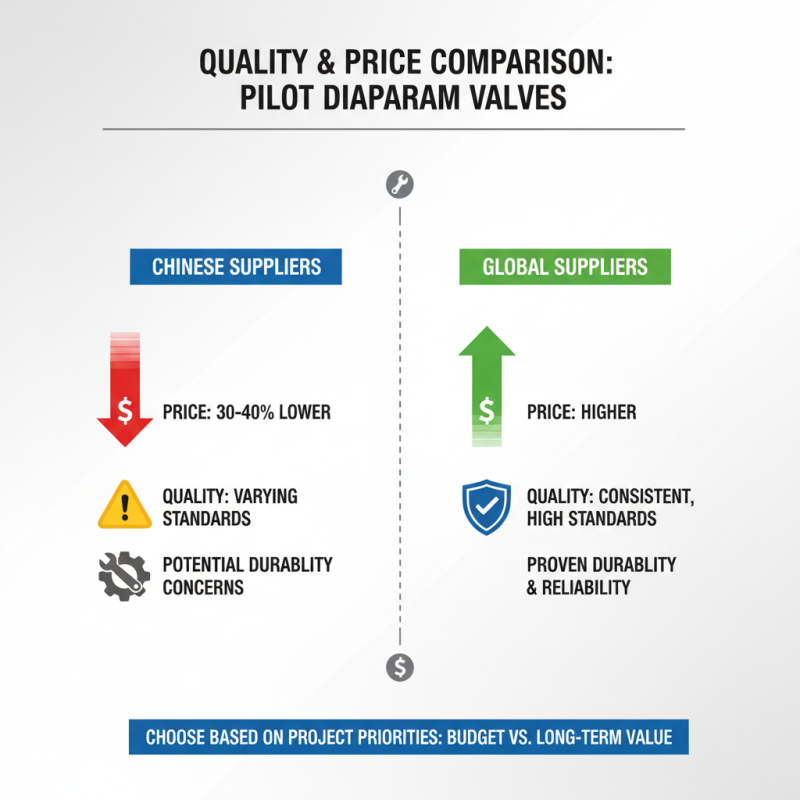
When comparing pilot diaphragm valves from Chinese and global suppliers, quality and price are often top concerns. According to a recent industry report, Chinese manufacturers offer an average price reduction of about 30-40% compared to their global counterparts. This substantial price gap can be appealing for buyers looking to maximize their budget. However, lower prices may correlate with varying material standards and durability, which necessitates careful consideration.
In terms of quality, Chinese suppliers have made notable advancements. A 2022 report by the Engineering Valves Association indicates that 70% of Chinese manufacturers meet international quality standards, up from 55% in 2018. Despite this progress, there remain challenges related to consistency and after-sales support that buyers should evaluate. Some users report inconsistencies in valve performance, which can lead to system failures and increased maintenance costs.
Potential buyers must weigh these factors before making a purchasing decision. While the cost advantage is clear, the long-term implications of quality should not be overlooked. A focus on suppliers with solid customer reviews and reliable test certifications can aid in mitigating risks associated with lower-cost options.
Guidelines for Purchasing Pilot Diaphragm Valves for Export
When purchasing pilot diaphragm valves for export, understanding the specific needs of your application is essential. Always consider the pressure and temperature ratings of the valves. These ratings ensure that the valves perform well under different operational conditions. Look into materials like stainless steel or PVC. The right material choice can prevent corrosion and prolong the valve's lifespan.
Additionally, it’s vital to assess the design of the diaphragm valves. A reliable valve features a robust diaphragm that can handle repeated cycling. Pay attention to the seal integrity as well. An inadequate seal may lead to leaks, costing time and resources. Evaluate suppliers carefully. Request samples to test performance before bulk ordering. This step can help identify manufacturing inconsistencies.
Quality certification is another crucial factor. Certifications indicate adherence to industry standards and enhance reliability. However, some certificates might be outdated or misleading. Do not hesitate to ask for updated documentation. A transparent supplier fosters trust. Balancing price and quality can be tricky. Sometimes, cheaper options end up being more expensive due to poor performance. Evaluate the long-term costs versus initial investments diligently.
Best Pilot Diaphragm Valve in China for Global Buyers