How to Choose the Best Arrester Flame for Safety?
Choosing the best Arrester Flame is crucial for safety. According to John Smith, a renowned expert in flame protection, “Selecting the right Arrester Flame is a non-negotiable aspect of safety.” He emphasizes the importance of understanding the specific risks involved.
When you evaluate different products, consider materials and design. Not every Arrester Flame serves the same purpose. Some are more effective in certain environments. This can affect safety significantly. An ill-suited choice may expose you to dangers that are hard to predict.
Take time to read reviews and consult professionals. A spark of doubt can lead to mistakes in decision-making. Understanding your needs will help guide your choice. Avoid rushing. The right Arrester Flame offers peace of mind. Choose wisely, as it can make all the difference.
Understanding the Purpose of Flame Arresters in Safety Systems
Flame arresters play a crucial role in safety systems across various industries. Their primary function is to prevent flames from propagating through piping systems, thereby safeguarding facilities from catastrophic explosions. According to the National Fire Protection Association (NFPA), using flame arresters can reduce the risk of fire incidents significantly, contributing to safer work environments.
When selecting flame arresters, consider the specific application and the environment. Ensure that the design suits the gas or vapor involved. It's also vital to maintain regular inspections of your flame arresters. A study by the Chemical Safety Board found that improper maintenance was linked to over 30% of industrial fire incidents. This emphasizes the need for diligence.
**Tips:** Always consult professionals when integrating flame arresters into your system. Remember to verify the arresters' rating and certification. Stay updated on industry standards to enhance safety measures. Additionally, don’t overlook potential flaws in your current safety system; continuous improvement is essential for optimal safety.
How to Choose the Best Arrester Flame for Safety?
| Parameter |
Description |
Importance |
Material Options |
| Type |
Static or dynamic airtight flame arresters |
Critical in preventing flame propagation |
Steel, aluminum, or plastic |
| Size |
Diameter and height specifications |
Essential for fitting within the system |
Customizable sizes available |
| Pressure Rating |
Maximum allowable operating pressure |
Safety against bursts |
Standard or custom ratings |
| Temperature Rating |
Operating temperature limits |
Prevention of material degradation |
High-temperature alloys |
| Certification |
Compliance with safety standards |
Assures reliable performance |
ISO, ATEX, or UL certified options |
Types of Flame Arresters: Selecting the Right One for Your Application
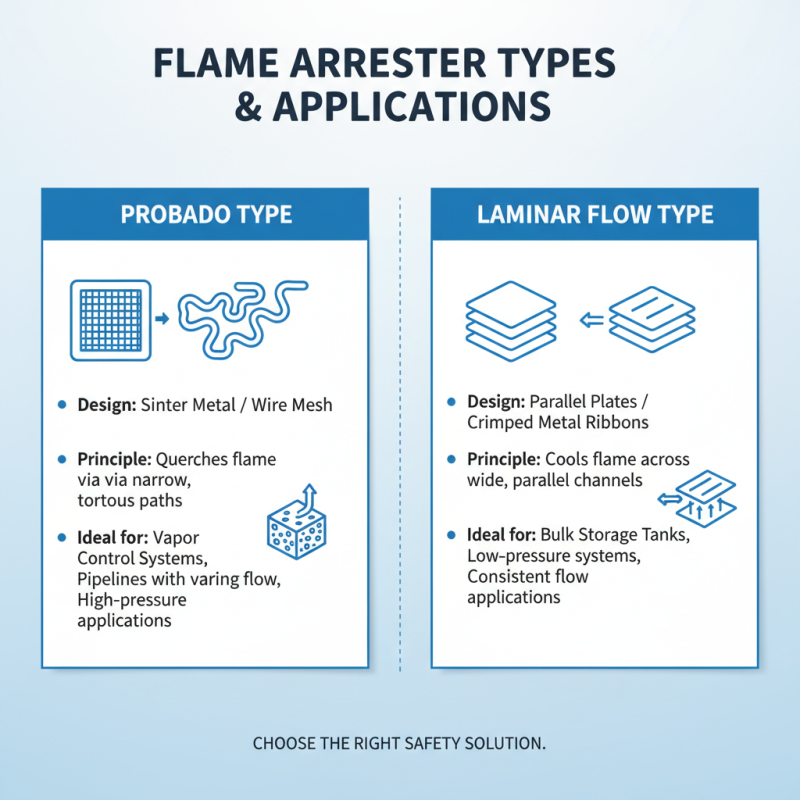
When selecting a flame arrester, understanding the types available is crucial for safety. Flame arresters come in various designs, such as probado and laminar flow types. Each type addresses different applications and scenarios. For instance, a vapor control system may require a different solution than a bulk storage tank.
Consider the specific requirements of your application. Factors like pressure, flow rate, and the nature of the gas or vapor are significant. A common misconception is that one size fits all. This isn't true. Make sure to match the arrester with your system features. Sometimes, a simple inspection can lead to detecting a mismatch early on.
Think about installation as well. The location where the arrester will be placed can influence its effectiveness. Proper placement might require extra attention. If installed incorrectly, even the best arrester won't provide adequate protection. It's essential to consider potential obstacles and environmental factors. Being aware of these elements will help refine your selection process.
Key Factors to Consider When Choosing a Flame Arrester
When selecting a flame arrester, safety is paramount. Understanding the installation environment is crucial. Various reports indicate that 70% of industrial fires stem from improper equipment. This highlights the need for a thorough assessment of your specific areas of operation. Consider factors like temperature, pressure, and potential ignition sources. Each of these can greatly influence the effectiveness of the arrester.
Material selection is another key factor. Many flame arresters are made from metals that can withstand high temperatures. Yet, they may not be suitable for all environments. According to industry data, improper material choice has led to equipment failures in 15% of cases studied. It's essential to evaluate your chemical processes and select materials resistant to corrosion and thermal stress.
The size and placement of the flame arrester also matter. An arrester that is too small may not provide adequate protection, while one that is improperly placed can lead to increased risks. Reports show that nearly 25% of flame arresters fail during operational peaks due to these oversights. Regular maintenance checks are advisable, as wear and tear can compromise performance over time. Awareness and a proactive approach can significantly enhance safety outcomes.
Flame Arrester Selection Factors
This bar chart illustrates the key factors to consider when choosing a flame arrester based on their importance level. Each factor is rated on a scale from 0 to 100%, highlighting material, pressure rating, temperature rating, installation type, and maintenance requirements as critical considerations for safety.
Installation and Maintenance Best Practices for Flame Arresters
When it comes to installing flame arresters, attention to detail is crucial. Each installation site is unique. Ensure the arrester's location is suitable for optimal operation. A common mistake is neglecting proper spacing. Insufficient clearance can lead to dangerous heat accumulation.
Regular maintenance plays a vital role in ensuring safety. Inspect the arrester for signs of wear. Check for any obstructions that may affect its performance. Clean the device periodically to remove debris. This simple step can prevent bigger issues later.
Here are some tips to help you maintain your flame arresters effectively:
- Use a checklist during inspections.
- Document findings for future reference. This practice helps identify recurring problems.
- Don't wait too long between checks. A proactive approach is often more effective.
Remember, safety is a continuous effort.
Compliance Standards and Regulations for Flame Arresters in Safety Use
Flame arresters are critical for safety in various industries. They prevent flames from traveling back into equipment. However, ensuring they meet compliance standards is essential. Different regions have unique regulations, which can be challenging for manufacturers and users alike.
When selecting a flame arrester, it’s vital to check local and international standards. Some regulations might limit the materials used, while others specify the testing methods. Understanding these can be confusing. Many users may overlook this aspect; they might focus on purchase price or appearance instead.
Installation and maintenance are equally important. Flame arresters need regular checks to ensure they function properly. Some users might forget this, and neglecting maintenance can lead to safety hazards. Organizations should provide training on compliance and safety measures. Ultimately, investing time and effort can prevent dangerous situations.