How to Choose Inline Flame Arrestors at the 139th Canton Fair?
The selection of Inline Flame Arrestors can significantly impact safety and efficiency in various industries. Recent industry reports indicate that 30% of industrial accidents are related to combustible materials. Properly chosen flame arrestors help mitigate these risks. The 139th Canton Fair, set for April 2026, showcases advanced solutions catering to this need.
With over 1.5 million square meters of exhibition space, this event emphasizes innovation. Utilizing AI-driven search and navigation tools, buyers can efficiently find suppliers of Inline Flame Arrestors that meet strict certifications like ISO and CE. This streamlining enhances decision-making, yet it highlights the responsibility of suppliers in maintaining quality standards.
Attendees are encouraged to assess the technical specifications of flame arrestors. These components can have varying effectiveness based on application. Manufacturers must be aware of evolving industry standards to remain competitive. Not all products are created equal, and a failure to recognize this can lead to severe consequences. As the fair approaches, industry stakeholders must reflect on the critical balance between efficiency, compliance, and safety in their selections.

Understanding the Function and Importance of Inline Flame Arrestors
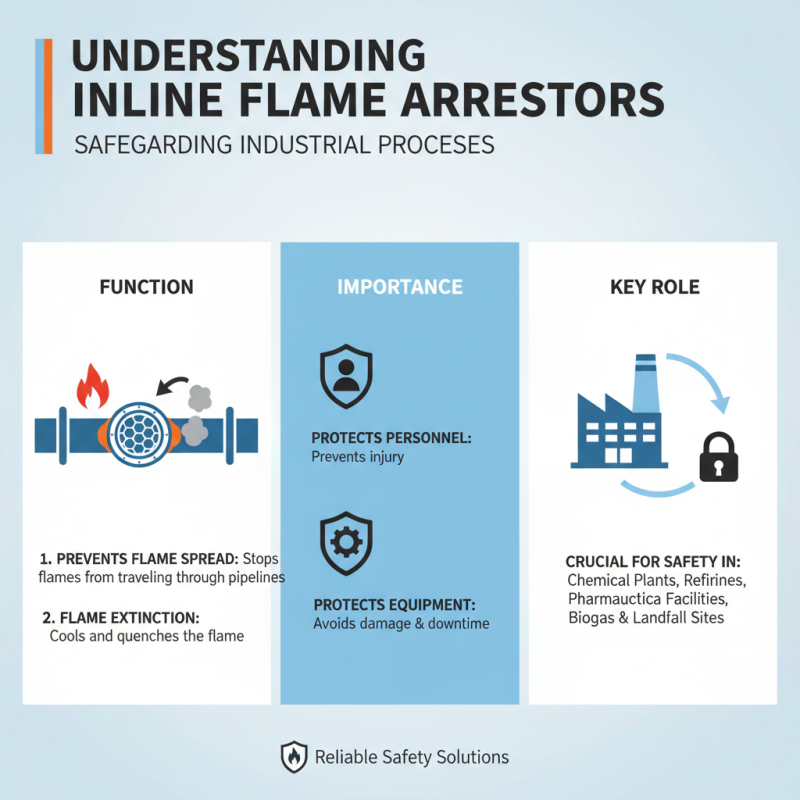
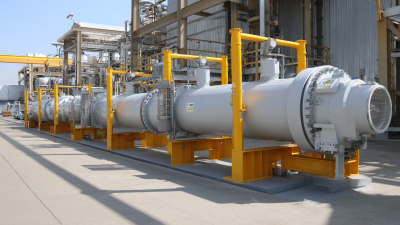
Inline flame arrestors play a crucial role in safeguarding industrial processes. These devices prevent the spread of flames along pipelines. Their primary function is to extinguish any flame before it can travel, thus protecting both personnel and equipment.
Data suggests that utilizing inline flame arrestors can significantly reduce fire-related incidents in industries such as oil and gas. According to a report by the National Fire Protection Association, improperly managed flame risks can lead to a 30% increase in accidents. This highlights the importance of investing in reliable safety measures.
Selecting the right flame arrestor involves understanding system requirements. Factors like pressure, temperature, and the type of gas must be considered. Too often, companies overlook these details. A mismatch can lead to equipment failure or worse, catastrophic events. Opting for a suitable flame arrestor can enhance overall operational safety and reliability. Evaluating these aspects carefully is necessary for optimal results.
Key Factors to Consider When Selecting Inline Flame Arrestors
When selecting inline flame arrestors, several key factors must be considered. Flame arrestors play a critical role in preventing the propagation of flames within pipelines and are essential for safety in industrial settings. According to industry reports, over 35% of industrial incidents related to flammable gases are attributed to inadequate flame protection. This statistic emphasizes the necessity of thorough consideration during selection.
Material compatibility is one factor that should not be overlooked. Different materials react differently under various operational conditions. For instance, some materials may corrode when exposed to certain chemicals. It's essential to analyze the operating environment and select materials that offer durability and reliability. The right choice can significantly reduce maintenance costs and potential failures.
Flow rate and pressure drop are also crucial parameters. An incorrectly sized flame arrestor can lead to inefficiencies. A study indicates that a pressure drop exceeding 10% can affect system performance. Users often overlook the importance of precise calculations during the selection process. Understanding these factors can prevent operational disruptions and enhance safety. Always consider the manufacturer's specifications and recommended service parameters before making your final decision.
Evaluating Material and Design Specifications for Flame Arrestors
Choosing the right inline flame arrestors requires careful evaluation of material and design specifications. Flame arrestors are essential for preventing the propagation of flames in piping systems. The materials used must withstand high temperatures and corrosive environments. Stainless steel and aluminum are popular choices due to their strength and resistance to oxidation.
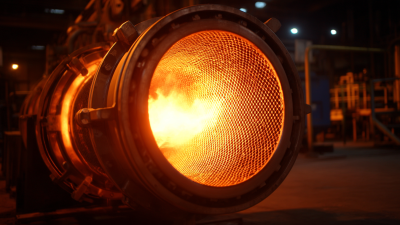
Design plays a crucial role as well. Factors such as size and flow rate directly impact performance. A well-designed flame arrestor minimizes pressure drop while ensuring safety. Look for features like mesh screens or baffles, which enhance the effectiveness of the device.
It's important to reflect on the installation environment as well. Do the local conditions favor mild or extreme temperatures? Consider the possibility of contamination. Not all specifications suit every application. If you overlook these details, it can lead to operational failures. Testing prototypes before full-scale implementation is often beneficial.
Tips for Sourcing Reliable Suppliers at the 139th Canton Fair
Sourcing reliable suppliers at trade fairs like the 139th Canton Fair can be challenging. Industry reports suggest that over 70% of international buyers face difficulties in vetting suppliers effectively. This is a significant concern, especially in sectors like manufacturing, where quality control is paramount.
When exploring the fair, consider asking detailed questions about product specifications. Many suppliers may provide vague answers. For instance, inquire about their manufacturing processes. Look for suppliers who emphasize adherence to international standards. This detail can reflect their commitment to quality. An analysis from a recent sourcing report highlights that companies focusing on established certifications had a 30% lower failure rate in product delivery.
Additionally, take the time to observe suppliers' booths. A well-organized presentation can indicate professionalism. Limited engagement or unclear product information might raise red flags. Remember, visuals matter; they can reveal how much effort a supplier puts into their brand. In this bustling marketplace, trusting your instincts can guide you toward trustworthy partnerships. However, it’s crucial to stay vigilant and remain critical, especially in an environment filled with many choices.
Inline Flame Arrestors Supplier Sourcing at the 139th Canton Fair
This bar chart represents the sourcing reliability ratings of different inline flame arrestors suppliers at the 139th Canton Fair. The ratings are based on factors such as product quality, pricing, and customer service.