How to Choose the Right Geyser Pressure Valve for Your Needs?
Choosing the right Geyser Pressure Valve is crucial for optimal performance and safety. According to a 2022 industry report by the International Plumbing Association, 30% of geyser failures stem from improper valve selection. This highlights how significant it is to make informed choices.
Industry expert Dr. Emily Harper states, "A well-chosen Geyser Pressure Valve can extend the life of your geyser and enhance energy efficiency." Her insight underscores the importance of understanding your specific needs before purchase.
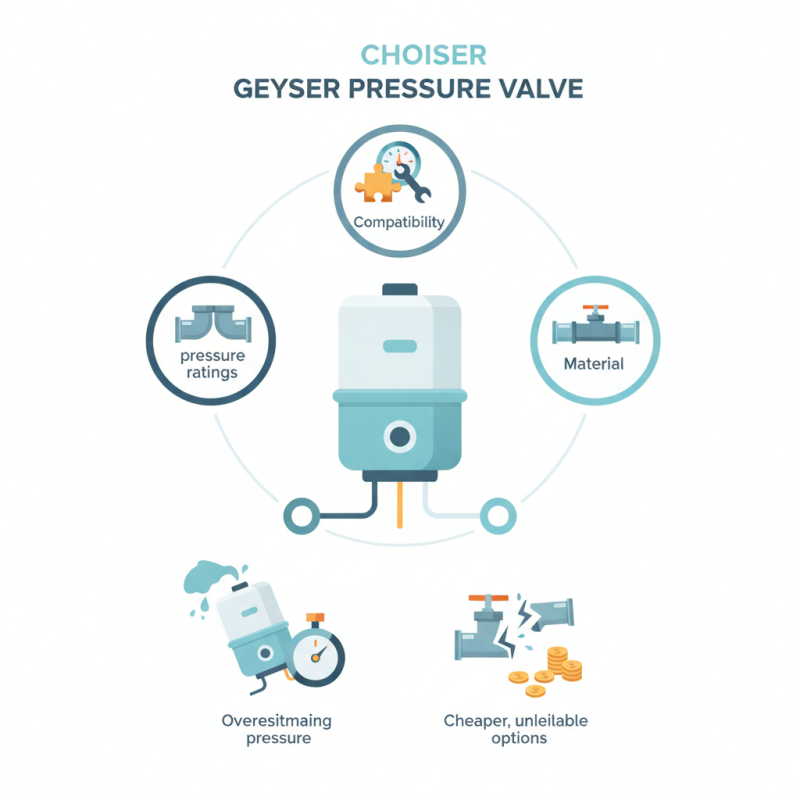
Selecting a valve requires careful consideration of pressure ratings, compatibility, and material. Common mistakes include overestimating pressure levels or opting for cheaper, less reliable options. Recognizing these potential pitfalls can save time and money in the long run.
Understanding the Basics of Geyser Pressure Valves
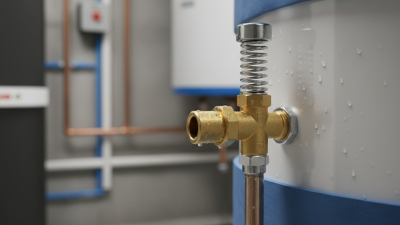
Geyser pressure valves play a critical role in home water heating systems. Understanding how these
valves work is essential before making a selection. Essentially, these valves regulate the pressure inside the geyser,
preventing over-pressurization. High pressure can lead to leaks or even explosions. A reliable pressure valve
ensures safety and efficiency.
When choosing a geyser pressure valve, consider several factors. Look at the pressure rating suitable for your geyser.
Check the valve's material; brass is durable but might corrode in some conditions. A stainless steel
valve is often recommended for its longevity. You may also want to consider the size and compatibility with your geyser.
Not all valves fit every geyser model, so measuring precisely is critical.
While these steps are straightforward, mistakes can occur. It’s easy to overlook compatibility or pressure ratings.
That's why expert advice can be beneficial. Engaging with professionals can guide you through the nuances of geyser
pressure valves. They help ensure you make an informed decision tailored to your unique needs.
Factors to Consider When Choosing a Geyser Pressure Valve
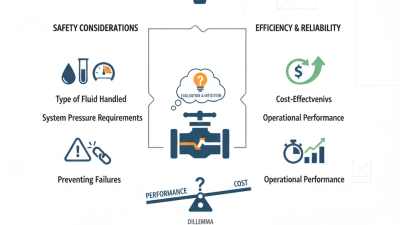
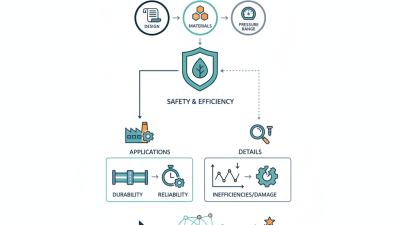
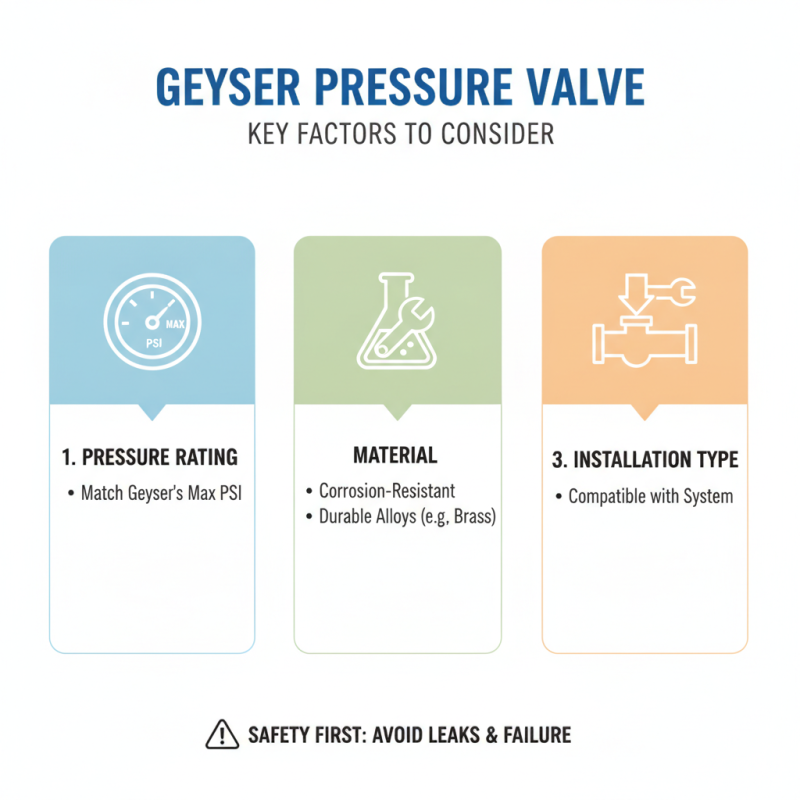
Choosing the right geyser pressure valve is crucial for safety and efficiency. Key factors include pressure rating, material, and installation type. According to industry reports, miscalculating these parameters can lead to leaks or even system failure. Ensure that the valve can handle the maximum pressure your geyser may exert.
The material of the valve affects durability. Brass is commonly used for its resistance to corrosion. However, some environments may require stainless steel for added strength. Many installers overlook this aspect, potentially compromising valve lifespan.
Installation type is another important consideration. Many valves are designed for specific configurations. Incorrect installations can not only reduce efficiency but also lead to costly repairs. As noted in various industry analyses, a significant percentage of geyser issues stem from improper valve choices and fittings. Be aware.
Types of Geyser Pressure Valves and Their Applications
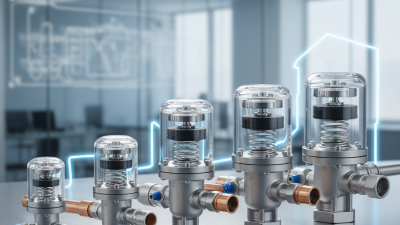
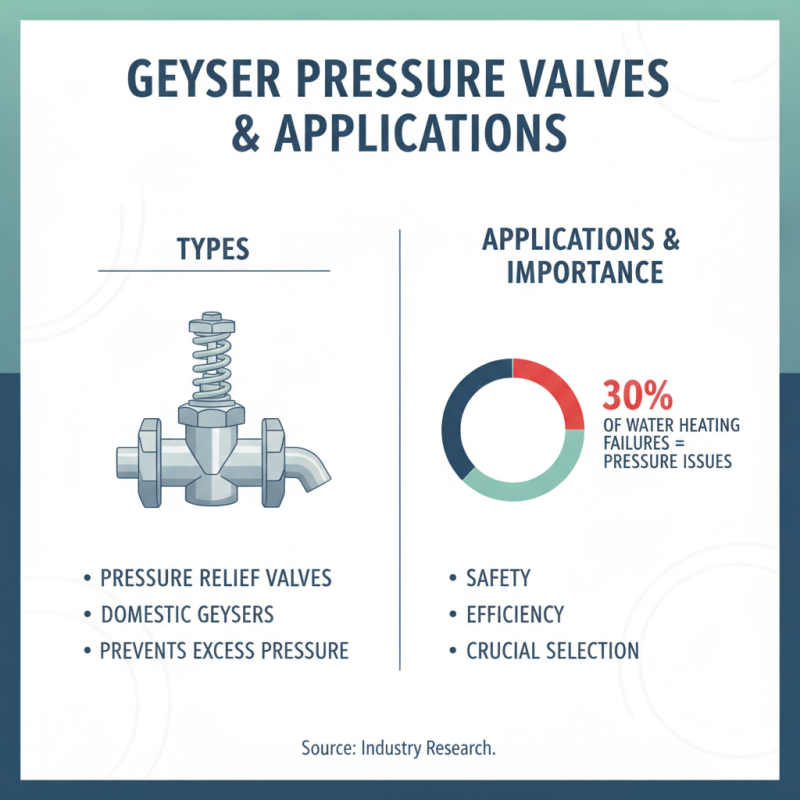
When selecting a geyser pressure valve, it is essential to understand the various types available and their specific applications. Pressure relief valves, commonly used in domestic geysers, help prevent excessive pressure build-up. They typically maintain a safe operating range. According to industry research, about 30% of water heating failures are related to pressure issues. This makes choosing the right valve crucial for safety and efficiency.
Another important type is the temperature and pressure (T&P) relief valve. This valve not only manages pressure but also controls temperature. The combination improves the overall safety of geysers. Many experts recommend these valves for residential use, particularly in areas with fluctuating water supply temperatures. A study from a leading engineering journal highlights that 25% of household geyser problems could be mitigated by implementing the appropriate T&P valves.
Flow control valves also play a vital role in managing water flow and pressure. In commercial settings, these valves ensure consistent performance under varying demand. They help reduce energy consumption by optimizing water flow. However, user feedback indicates some challenges with compatibility. Installation and maintenance can be tricky without expert assistance. Therefore, understanding these valve types and their proper applications is key to maximizing efficiency and safety in geyser systems.
How to Calculate the Required Pressure for Your Geyser System
Determining the required pressure for your geyser system is crucial. Too much pressure can cause leaks. Too little pressure might lead to insufficient hot water. Start by assessing your home's needs based on the number of occupants and appliances that use hot water. Understanding your household's hot water consumption is essential.
Next, consider the elevation of your home. Higher elevations might require adjustments to the pressure settings. Measure the distance from the geyser to the tap. This distance directly impacts the pressure needed for efficient functioning. A pressure reading of 1-1.5 bar is common for most domestic systems. If your readings fall below this range, it may be time to recalibrate.
Additionally, reflect on your system's age. Older geysers may not perform optimally. Regular maintenance is key. Inspect the valve regularly to avoid failures. Consult a professional for a clear assessment if you are unsure about your current pressure readings. Measuring pressure accurately ensures safety and enhances performance in the long run.
Geyser Pressure Valve Selection and Pressure Requirements
This chart illustrates the various pressure categories associated with geyser pressure valves. Understanding these pressure levels can help you choose the right valve for your geyser system.
Installation and Maintenance Tips for Geyser Pressure Valves
When installing a geyser pressure valve, proper techniques determine its efficiency and longevity. Many professionals suggest adhering to local plumbing codes. This ensures safety and compliance. An estimated 40% of home plumbing systems have improper installations. Such errors can lead to system failures and costly repairs.
Regular maintenance is crucial for geyser pressure valves. Check for leaks periodically. Address any issues promptly to avoid escalated damage. Industry reports indicate that a well-maintained valve can last over ten years. However, neglect may reduce its lifespan by 50%. Look out for corrosion signs or faulty seals.
Tips: Use a wrench to tighten valve connections. This helps prevent leaks. Always consult a plumbing expert for complex installations. Following these steps can enhance valve performance. A little care can go a long way.