How to Choose the Right Vacuum Sequence Valve for Your Needs?
Choosing the right Vacuum Sequence Valve is crucial for optimizing performance in various industrial applications. According to a recent report by the International Vacuum Association, proper valve selection can enhance system efficiency by up to 30%. High-quality valves reduce downtime and maintenance costs. However, many users often overlook critical specifications, which can lead to suboptimal performance.
In the vacuum technology sector, expertise is key. The right Valve can ensure consistent pressure control and improve process reliability. Research shows that improper sizing can result in frequent system failures. This not only affects productivity but can also lead to safety hazards. Hence, understanding your specific needs is vital.
It's essential to consider various factors when selecting a Vacuum Sequence Valve. Parameters such as flow rate, material compatibility, and operating temperature need careful evaluation. Neglecting to do so may result in frequent breakdowns and costly repairs. The right choice can transform a system, but the decision requires thoughtful reflection and precise analysis.

Understanding the Importance of Vacuum Sequence Valves in Systems
Vacuum sequence valves play a critical role in various industrial systems, particularly in maintaining consistent performance. These valves ensure that multiple vacuum stages operate in sync, enhancing efficiency. According to a 2022 industry report, proper valve selection can yield up to a 30% increase in system productivity. This emphasizes the need for understanding their function.
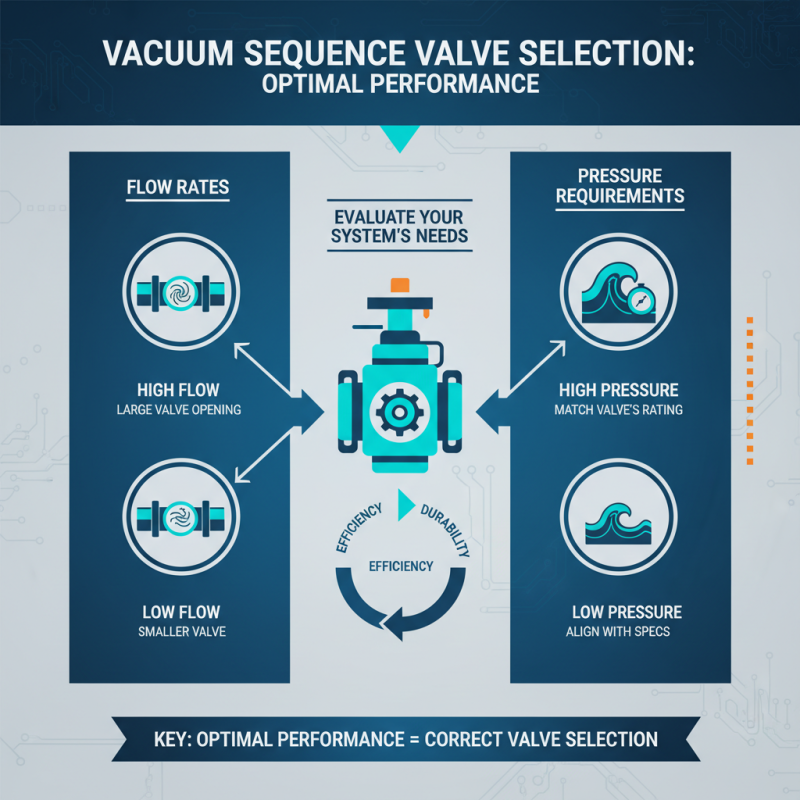
Choosing the right vacuum sequence valve is not straightforward. Users must consider flow rates, pressure levels, and system compatibility. For instance, the right valve can prevent backflow, minimizing potential system failures. Industry experts suggest regular assessments of valve performance to avoid inefficiencies. A poorly chosen valve may compromise the entire system.
Maintenance is vital for optimal operation. Regular checks can reveal wear or potential leaks. According to recent surveys, over 25% of systems experience reduced efficiency due to outdated valves. This highlights the importance of ongoing evaluation and upgrading when necessary. Ignoring these aspects can lead to costly downtime and repairs in the long run.
Key Factors to Consider When Choosing a Vacuum Sequence Valve
When selecting a vacuum sequence valve, the primary factor is the application requirements. Different industries have unique needs, including pressure ranges and operating conditions. Understanding the specific demands of your system is crucial. For example, high-temperature environments may require valves made from durable materials. Assessing these details can significantly enhance your system's efficiency.
Another important consideration is the size and configuration of the valve. Choosing the wrong size can lead to inefficiencies or even failures in your system. Matching the valve dimensions to your piping layout is vital. Additionally, compatibility with existing components cannot be overlooked. Ensure that your choice integrates seamlessly with other parts of the vacuum system.
Lastly, it's wise to consult with experts in the field. They can provide insights based on experience and specialist knowledge. Engaging with industry professionals can illuminate aspects that may not be immediately apparent. However, relying solely on experts without understanding your needs could also be misleading. Balance your research with expert guidance for the best outcomes.
Analyzing Material Compatibility for Durability and Longevity
When selecting a vacuum sequence valve, material compatibility is crucial for ensuring durability and longevity. The valve must withstand the specific conditions of its intended use. Consider exposure to chemicals, temperature variations, and moisture levels. For instance, stainless steel might be ideal for corrosive environments, while plastic materials could falter under intense heat.
It’s essential to evaluate the specific materials used in the valve. Not all materials perform equally well in every application. For some, a simple compatibility chart may suffice. For others, meticulous research and analysis are necessary. Inspecting the valve's performance under expected conditions can reveal potential drawbacks early. A thorough review can help ensure that the chosen valve meets operational demands without premature failure.
Be mindful of the trade-offs involved. A more expensive material may promise longevity but might not be feasible for all budgets. Additionally, opting for a less durable option might save money upfront but could incur costs from frequent replacements. Solicit expert advice when unsure; it can save time and resources in the long run. Balancing cost with material integrity is a critical reflection point in the decision-making process.
Comparing Cost vs. Performance: Finding the Best Value in Valves
Choosing the right vacuum sequence valve can feel overwhelming. It’s crucial to balance cost and performance to ensure you get the best value. A valve that is too cheap may not perform well, leading to increased maintenance costs. Conversely, a high-end valve may offer features you don't need.
When comparing valves, consider the materials used and design features. Some valves have simpler designs, reducing the risk of failure. Look for valves that allow for easy maintenance but don’t compromise performance. Assessing the long-term costs versus initial investment is essential. This approach can save you from future regrets.
Tips: Always check manufacturer specifications. Understanding the flow rates and pressure ratings can significantly influence your choice. Consider long-term supplier support; a reputable supplier can assist with any issues or replacements. Don’t hesitate to reach out to industry professionals for insights. Your choice impacts operational efficiency, so make it count!
Cost vs. Performance of Vacuum Sequence Valves
This chart compares the cost and performance of different vacuum sequence valves based on hypothetical data. The performance is measured in efficiency rating (0-100) while the cost is measured in USD. This helps in understanding the best value for your needs.