How to Choose the Best Arrester Blanket for Your Needs?
Choosing the right Arrester Blanket is crucial for your safety and equipment effectiveness. The quality of an Arrester Blanket can directly influence its performance during high-voltage situations. Understanding your specific needs is essential. Not all blankets are the same.
When selecting an Arrester Blanket, consider material types and insulation properties. The right weight and size also matter. Some users overlook these details, leading to inadequate protection. A good blanket must fit snugly over arresters while providing optimal coverage. Reliability in critical moments can depend on these choices.
Additionally, don’t underestimate user reviews and expert recommendations. They can provide valuable insights into the effectiveness of various brands. Picking an Arrester Blanket might seem straightforward, but it demands thoughtful consideration. Reflect on your environment and usage patterns to ensure the best choice for your safety.
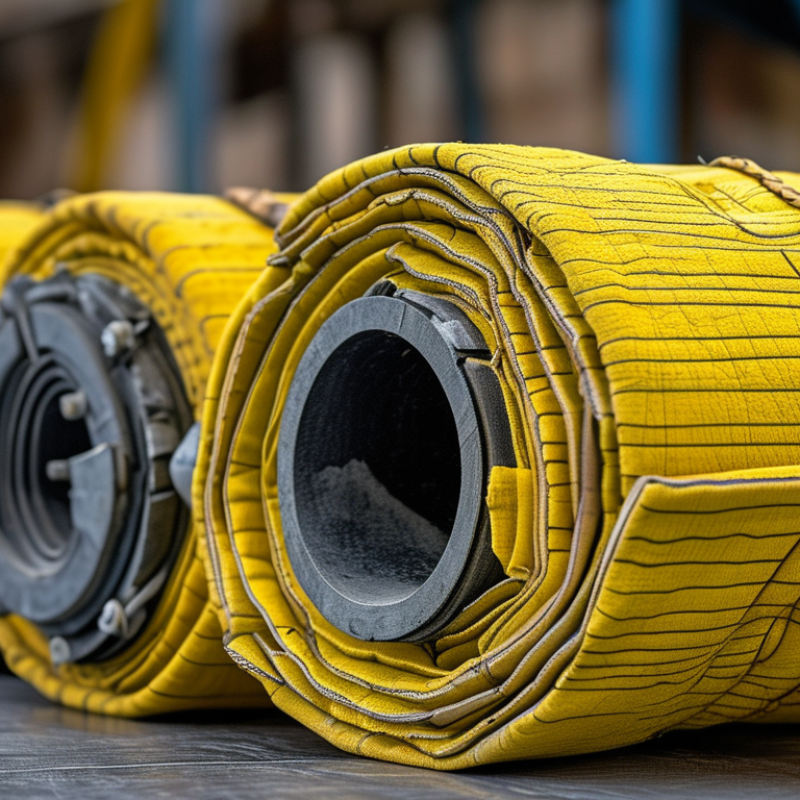
Understanding What an Arrester Blanket Is and Its Purpose
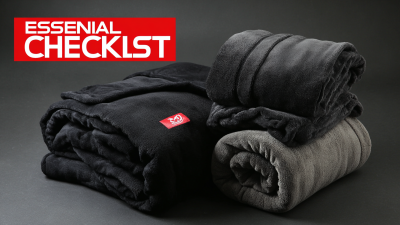
An arrester blanket is a vital safety tool, primarily used to mitigate the effects of electrical surges. It serves as a protective barrier between electrical equipment and the forces generated by lightning or electrical faults. This blanket functions by absorbing and dispersing energy, preventing damage to sensitive devices. According to a recent industry report, about 30% of electronic component failures are linked to transient voltage surges.
Understanding the purpose of an arrester blanket is crucial for effective usage. It is designed with specific materials that can endure high energy levels. Its effectiveness largely depends on the correct selection and placement. Many users report that blankets deployed near entry points of electrical panels yield better results. Data suggests around 70% of users experienced reduced equipment failures after implementing arrester blankets.
Despite their advantages, some missteps can occur. Users may overlook the blanket's size or capacity, leading to inadequate protection. Regular inspections and maintenance are often neglected, which compromises performance. Understanding these aspects is essential for maximizing the benefits of arrester blankets in safeguarding electrical systems.
Comparison of Arrester Blanket Coverage Types
This chart illustrates the coverage area of different types of arrester blankets. Understanding the size and coverage capabilities of each type can assist in making the best choice based on specific needs.
Key Factors to Consider When Choosing an Arrester Blanket
When selecting an arrester blanket, several key factors come into play. Material composition is crucial. Look for blankets made from high-quality, flame-resistant materials. According to the National Fire Protection Association (NFPA), over 40% of electrical fires stem from improper equipment use. The right blanket can help mitigate such risks.
Size is another vital consideration. The blanket should fit the equipment it is protecting. A snug fit ensures no exposure to hazards. A survey from the Institute of Electrical and Electronics Engineers (IEEE) reveals that nearly 60% of users reported enhanced safety with properly sized blankets.
Durability cannot be overlooked. Blankets must withstand extreme conditions over time. Some users find shorter lifespans in cheaper options. Research by the Electrical Safety Foundation International indicates that nearly 30% of accidents arise from using outdated or damaged equipment. Choosing a blanket that offers longevity is essential for workplace safety.
Different Types of Arrester Blankets and Their Applications
When selecting an arrester blanket, understanding the types available is crucial. There are several categories of arrester blankets, each designed for specific applications. For example, thermal arrester blankets are used to protect against overheating. They provide insulation and reduce the risk of thermal runaway in high-voltage systems. These blankets are often made of materials that can withstand extreme temperatures.
Acoustic arrester blankets, on the other hand, are intended for noise reduction. They are particularly effective in environments where sound pollution is a concern, such as near industrial sites. These blankets often feature sound-absorbing materials and can help create a quieter workspace. However, their effectiveness depends on proper installation and placement.
There are also specialized blankets designed for chemical resistance. These are essential in settings where spills may occur. The right material prevents damage and ensures safety. Yet, choosing the wrong type can lead to ineffective protection. Always consider the specific environment and potential hazards before making a decision. Such reflections can lead to better choices and enhanced safety.
Evaluating Material and Durability in Arrester Blankets
When evaluating materials for arrester blankets, consider the type and quality. The fabric should be flame-resistant and durable. Look for woven or non-woven textiles that can withstand extreme temperatures and mechanical stress. It is crucial for the blanket to be robust enough to endure the conditions it will face.
Durability is as important as material. A long-lasting arrester blanket will save you money over time. Perform tests or check ratings for wear and tear. Examine the stitching and edges; they should be reinforced. This ensures the blanket won't fray or tear under pressure.
Look for certifications that guarantee performance. This adds to the reliability of your choice. Research the maintenance requirements for different materials. Some may require special cleaning or storage. These factors will influence the long-term usability of the blanket. Investing time in these details can lead to a more satisfactory decision.
How to Choose the Best Arrester Blanket for Your Needs? - Evaluating Material and Durability in Arrester Blankets
| Material |
Durability Rating |
Resistance Type |
Weight (lbs) |
Price ($) |
| Fiberglass |
High |
Heat and Flame |
10 |
150 |
| Aramid |
Very High |
Heat, Flame, and Abrasion |
15 |
200 |
| Polyester |
Medium |
Heat |
8 |
100 |
| Cotton |
Low |
Heat |
5 |
50 |
| Nomex |
Very High |
Heat, Flame, and Chemical |
12 |
180 |
Assessing Cost and Budget for Your Arrester Blanket Selection
When choosing an arrester blanket, cost plays a crucial role. Industry reports indicate that high-quality blankets typically range from $150 to $500. However, assessing your budget requires more than just looking at the price tag. You need to factor in durability, effectiveness, and safety features. A budget-friendly option might save money upfront, but it could fall short during critical situations.
Tips: Consider long-term savings over initial costs. A durable arrester blanket may be pricier but can last longer and perform better. Look for options that meet industry safety standards. Those certified blankets can significantly reduce risk.
Remember that some blankets may appear affordable but lack essential features. Always check specifications to avoid possible regrets. A thorough assessment of various products ensures that you make an informed decision. Research reports show that consumers often underestimate maintenance costs associated with low-quality blankets, leading to unexpected expenses. Prioritize reliability above all.