How to Choose the Right Deflagration Arrester for Your Needs?
Choosing the right deflagration arrester is crucial for safety in various industries. According to a report by the National Fire Protection Association (NFPA), incidents involving flammable dust and gases are rising. In fact, over 300 dust-related explosions occur annually. This highlights the importance of proper safety equipment, especially deflagration arresters.
A deflagration arrester is designed to prevent and mitigate explosive mixtures. It is essential for industries dealing with flammable materials, like pharmaceuticals, food processing, and chemical manufacturing. Selecting the appropriate model can significantly reduce disaster risks. Yet, many facilities overlook their specific needs and thus choose unsuitable systems.
It's vital to understand that not all deflagration arresters are the same. Factors such as the type of materials handled and production processes influence the choice. Industry guidelines suggest thorough assessments before selecting an arrester. However, many companies still fail to conduct these evaluations, potentially compromising safety. Awareness of the risks associated with improper equipment is important for making informed decisions.
Understanding Deflagration Arresters: Definition and Functionality
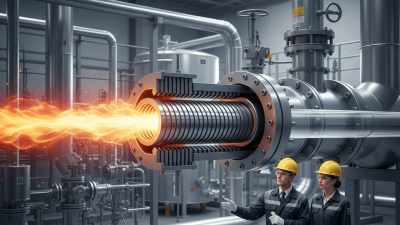
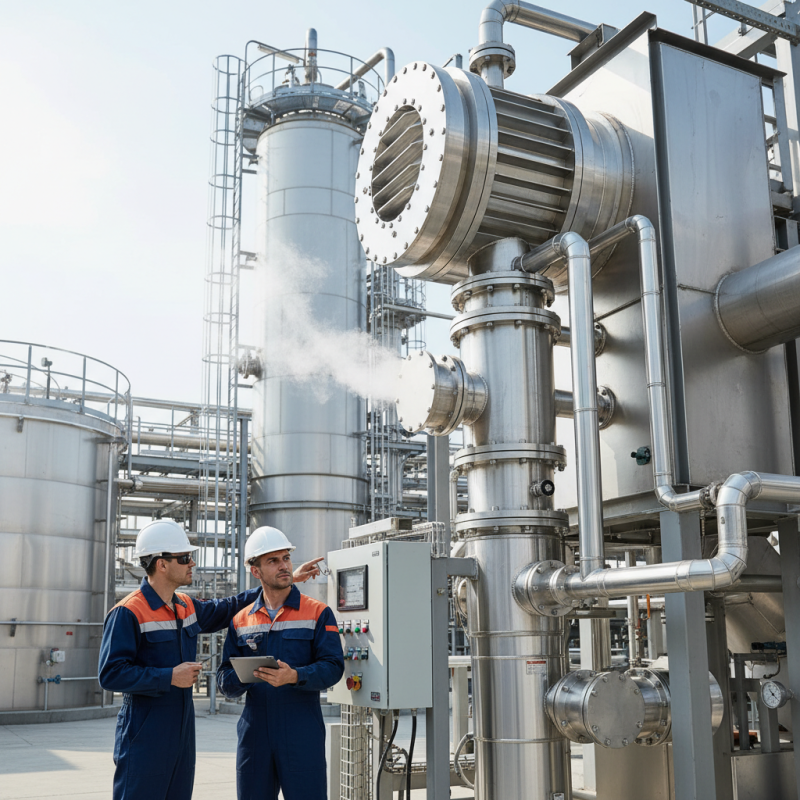
Deflagration arresters play a crucial role in preventing fire and explosion hazards in various industries. These devices are specifically designed to interrupt combustion waves that travel through flammable gases or dust. They act as a safety barrier, allowing only non-combustive material to pass through while extinguishing ignition sources. This functionality is vital in processes involving volatile substances, where even a small spark can lead to catastrophic events.
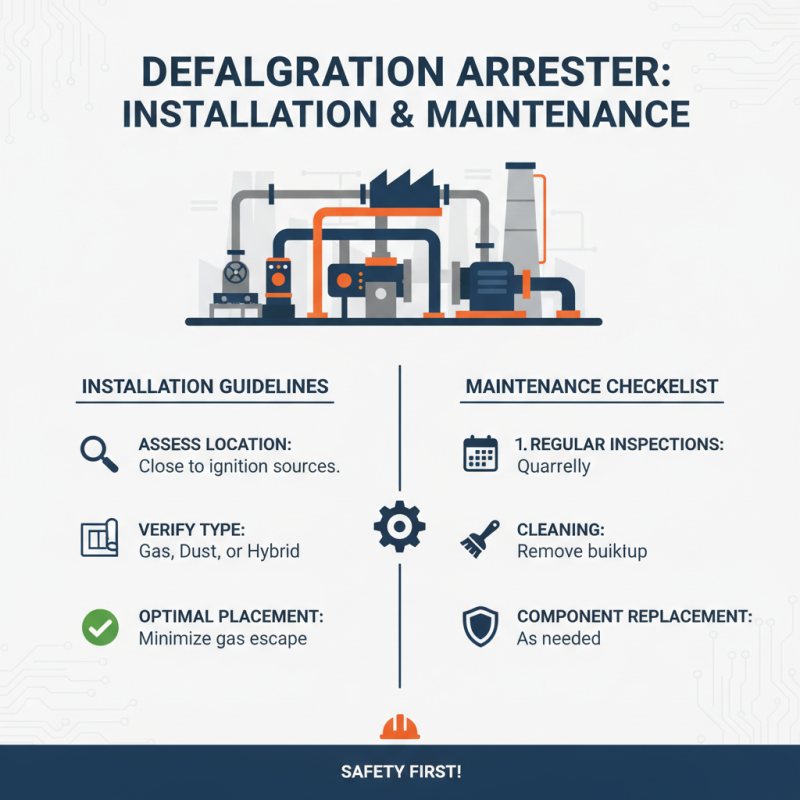
Understanding the mechanics of deflagration arresters is essential. They usually incorporate flame arrestor elements within their structure. These elements trap and cool potential flames, preventing them from spreading. Installation is equally critical; improper placement can lead to failures. Users must assess their needs carefully. Factors like the type of materials handled and operational conditions significantly influence device selection.
Selecting the right deflagration arrester requires expertise. Knowledge of relevant industry standards and regulations is necessary. Many options exist, and not all are suitable for every application. Challenges may arise when determining which arrester provides adequate protection. Conducting thorough risk assessments and consulting with safety professionals can guide effective decision-making. This process ensures the chosen device truly meets safety and compliance needs.
How to Choose the Right Deflagration Arrester for Your Needs?
| Type of Deflagration Arrester |
Application |
Material |
Temperature Range (°C) |
Pressure Rating (bar) |
| Inline Deflagration Arrester |
Gas transport pipelines |
Stainless Steel |
-20 to 100 |
10 |
| Flame Arrester |
Storage tanks |
Aluminum |
-10 to 80 |
5 |
| Detonation Arrester |
Chemical processing |
Carbon Steel |
-20 to 150 |
15 |
| End-of-Line Deflagration Arrester |
Exhaust systems |
High-temperature Alloy |
0 to 300 |
20 |
Types of Deflagration Arresters: Choosing Based on Application Requirements
When selecting a deflagration arrester, it is crucial to consider the specific application. Various types of arresters are designed for distinct environments. Understanding these types ensures optimal safety and efficiency.
For example, vented deflagration arresters suit applications with lower explosion risks, such as dust collection systems. They allow for the safe release of pressure while preventing flames from escaping. On the other hand, non-vented arresters provide an airtight solution for more hazardous operations. They are ideal for situations involving flammable vapors.
Choosing based on application requirements also includes environmental factors. Temperature and humidity can affect arrester performance. Some units may not function correctly in extreme conditions. Testing and validating your choice in real-world scenarios is essential to guarantee reliability. It may be beneficial to consult industry experts for insights tailored to your specific needs.
Key Factors to Consider When Selecting a Deflagration Arrester
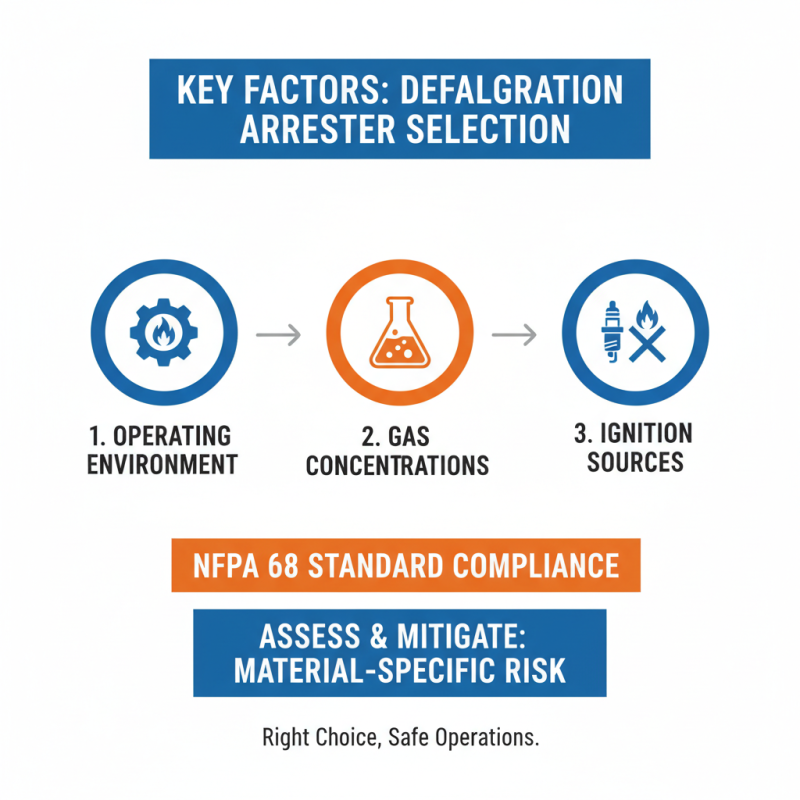
Selecting the right deflagration arrester involves understanding various critical factors. One primary consideration is the operating environment. According to the NFPA 68 standard, it’s essential to assess the potential for gas concentrations and ignition sources in the area. The arrester must effectively handle the specific deflagration risk associated with the materials used.
Another vital aspect is the arrester's design type. There are different configurations that serve unique applications. For instance, certain designs are meant for horizontal installation, while others are suitable for vertical setups. Industry reports indicate that incorrect installation can lead to inefficiencies or even failures in protecting against explosions. Therefore, evaluate installation requirements based on the equipment layout and overall system.
Pressure rating is also crucial. Data from recent studies show that selecting an arrester with a lower pressure rating than required can compromise safety. Review the maximum pressure conditions your system may encounter. Additionally, considering maintenance needs is essential. Ensuring easy access for inspection can enhance reliability over time. It's worth reflecting on past incidents where neglecting these factors led to severe safety breaches. Such considerations can significantly affect performance and safety outcomes in the long run.
Common Myths and Misconceptions About Deflagration Arresters
Deflagration arresters play a crucial role in preventing explosive incidents. However, many misconceptions surround their use. One common myth is that all deflagration arresters are the same. In reality, they vary widely in design and function. Choosing the right one depends on specific application requirements and the characteristics of the materials involved.
Another misconception is that installation is a simple task. Proper installation is critical for effectiveness. Misaligned or improperly placed arresters can lead to catastrophic failures. Many users overlook the importance of regular maintenance, assuming these devices are maintenance-free. This neglect can significantly reduce their reliability over time. Understanding these nuances is essential for safe operation.
Finally, some believe that deflagration arresters can eliminate all risks. They are a part of a comprehensive safety strategy, not a standalone solution. If used incorrectly or alongside unsuitable equipment, they might offer a false sense of security. Continuous training and awareness can help address these misconceptions effectively.