Top 10 Essential Facts About Deflagration Arresters You Should Know?
Deflagration arresters play a critical role in industrial safety. These devices protect against rapid combustion events. Understanding their function is essential for preventing catastrophic incidents.
In industries handling flammable gases or dust, deflagration arresters mitigate risks. They work by quenching flame fronts before they can cause harm. However, not all applications benefit equally. Proper selection and installation are key factors.
Often overlooked, these essential units require regular maintenance. Users should be aware of their limitations. An inadequate understanding may lead to dangerous situations. Overall, the importance of deflagration arresters cannot be overstated. They are vital for protecting personnel and equipment alike.
What is Deflagration and How Do Deflagration Arresters Work?
Deflagration refers to a type of combustion that propagates through a medium at a speed less than the speed of sound. In many industrial applications, this can create dangerous pressure waves and heat that can cause significant damage. Understanding deflagration is crucial for safety in facilities handling flammable materials.
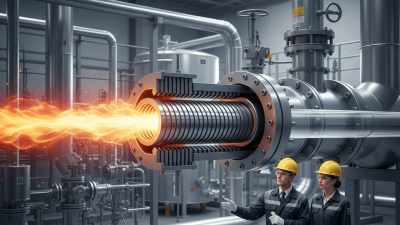
Deflagration arresters are safety devices designed to mitigate explosions caused by this phenomenon. They function by using a specific geometry and materials that can absorb and deflect pressure waves. These devices are often integrated into process systems to protect equipment and personnel. They allow gases to vent safely while preventing flames from traveling back into the main system.
Despite their effectiveness, the design and maintenance of deflagration arresters require careful consideration. Not all environments are the same. A device that works well in one setting may not perform adequately in another. Regular inspections and adjustments are crucial to ensure optimal performance. Moreover, operators must understand the limitations of these devices to avoid over-reliance. Proper training in identifying potential hazards is equally important.
Top 10 Essential Facts About Deflagration Arresters
This chart illustrates the importance scores of various factors related to deflagration arresters, indicating how critical each aspect is in the context of safety and functionality in combustion scenarios.
Key Differences Between Deflagration Arresters and Explosion Proof Devices
Deflagration arresters play a crucial role in safeguarding industrial processes. They prevent the propagation of deflagration, which is a subsonic combustion process. Understanding the differences between deflagration arresters and explosion-proof devices is essential for effective safety protocols.
Deflagration arresters are designed mainly to mitigate deflagration risks. These devices redirect flames and pressure waves, effectively blocking the flame from traveling throughout a system.
Explosion-proof devices, on the other hand, are built to withstand explosive forces without blowing apart. According to a report by the National Fire Protection Association (NFPA), deflagration arresters can reduce incident severity by up to 70% in specific industries. They are often employed in chemical manufacturing and dust handling facilities.
The specific requirements for installation and maintenance differ between these two safety measures. Deflagration arresters require careful placement to ensure optimal protection. Misplacement can increase risks. In contrast, explosion-proof devices must comply with rigorous engineering standards. A failure in keeping these standards can result in disastrous consequences. Both offer solutions, yet their application must be approached selectively based on the risks involved.
Applications and Industries That Utilize Deflagration Arresters
Deflagration arresters play a crucial role in various industries. They are designed to contain or neutralize ignition sources, preventing deflagrations from escalating. These devices find applications in sectors such as chemical manufacturing, oil and gas, and food processing. Each of these industries handles flammable materials, making protection essential.
In chemical manufacturing, arresters are common. They are installed in pipelines to intercept flames and protect workers. Inquiring about proper installation and maintenance is vital. A slight oversight in the setup can lead to failures. Regular inspections can ensure that these critical safety devices operate effectively.
Tips for best practices include actively monitoring pressure levels. Abnormal readings may indicate problems. Regular training for staff on safety protocols can also help. Safety should not be an afterthought; it requires continuous attention. Additionally, maintaining a clean environment around deflagration arresters can enhance their functioning. This maintenance reduces the risk of dust accumulation, which can lead to operational inefficiencies.
Top 10 Essential Facts About Deflagration Arresters
| Fact |
Description |
Applications |
Industries |
| 1. Purpose |
Deflagration arresters prevent the propagation of deflagration in pipelines and vessels. |
Pressure relief, gas management |
Chemical processing, oil & gas |
| 2. Mechanism |
They work by cooling and slowing down the combustion wave. |
Safety installations |
Pharmaceuticals, food processing |
| 3. Design |
Typically featuring a flame front arresting element. |
Hazard mitigation |
Waste management, metal processing |
| 4. Types |
Available in various configurations for different applications. |
Flares, burners |
Energy sector, petrochemicals |
| 5. Installation |
Must be installed correctly to ensure efficiency. |
Pipeline safety |
Chemical manufacturing, refining |
| 6. Maintenance |
Regular checks are required for optimal performance. |
Safety audits |
Construction, mining |
| 7. Regulations |
Subject to strict safety regulations in many regions. |
Compliance with standards |
Utilities, transport |
| 8. Cost |
Costs can vary significantly based on design and application. |
Capital investment |
Manufacturing, oil refining |
| 9. Efficiency |
Effective at reducing risk in explosive environments. |
Explosive gas handling |
Pharmaceuticals, energy |
| 10. Innovations |
Advancements in materials and technology improve performance. |
Enhanced safety systems |
Aerospace, defense |
Installation Considerations for Effective Deflagration Arresters
When installing deflagration arresters, proper site assessment is crucial. Consider the flow of gas and its direction. Analyze the potential ignition sources nearby. Ensure that the installation area is free from obstacles. This allows for maximum efficiency in mitigating deflagration risks. Factors such as temperature and humidity can affect performance. Keep these in mind during installation.
Placement matters significantly. Deflagration arresters should be positioned close to the source of combustion. This enhances their ability to react promptly. Additionally, ensure there is enough space for maintenance and inspections. Regular checks help maintain effectiveness over time. Unexpected failures can occur if the arresters are not monitored.
Lastly, understand the importance of selecting appropriate materials. Different environments require different types of materials. Corrosive atmospheres demand specialized options. Take time to evaluate these factors thoroughly. The installation should not be rushed. Each element plays a vital role in safety and reliability. Without careful planning, the system could become less effective.
Maintenance Best Practices to Ensure Optimal Performance of Arresters
Maintaining deflagration arresters is crucial for ensuring their optimal performance. Regular inspections should be a priority. Check for signs of wear, corrosion, or any blockages. Inspect the sealing surfaces; even minor gaps can affect effectiveness. Dust or dirt buildup can significantly reduce performance. Make it a habit to clean these components every month.
Testing is another important aspect. Conduct flow tests at least once a year to ensure functionality. If the arrester's reaction to pressure is not as expected, immediate action is required. It may indicate a mechanical failure or a need for replacement. Remember, proper calibration allows for reliable and safe operation.
Documentation of maintenance actions is essential. Keeping a record helps identify recurring issues. If problems persist, it might indicate a deeper issue that needs attention. Reflect on the effectiveness of your maintenance routines regularly; improvements can lead to enhanced reliability. Consistency in these practices can optimize the longevity and effectiveness of deflagration arresters.