What is a Flame Arrester and How Does It Work?
Flame Arresters play a crucial role in industrial safety. They are devices designed to prevent the propagation of flames in piping systems. In the chemical and oil industries, the risk of explosive vapors is significant. According to industry reports, over 10% of fire incidents result from explosive mixtures.
A Flame Arrester can be a lifesaver. It functions by cooling the flame and reducing its intensity. This critical mechanism helps to protect equipment and personnel. In many facilities, installing these devices is not just a safety measure; it's often a regulatory requirement. However, many operations still overlook proper maintenance. Neglecting this aspect can lead to catastrophic failures.
Moreover, not all Flame Arresters are created equal. The choice of an arrester depends on various factors, including pressure, flow rate, and the type of gas involved. Inadequate knowledge can lead to improper selections, which may render them ineffective. Addressing these issues is essential for improving safety standards and preventing potential disasters.
What is a Flame Arrester?
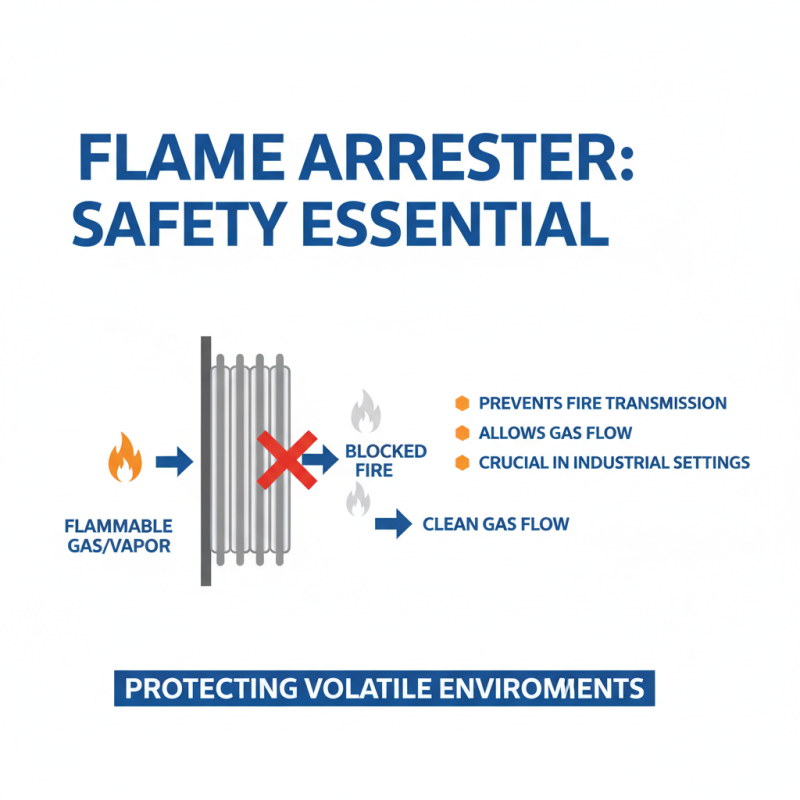
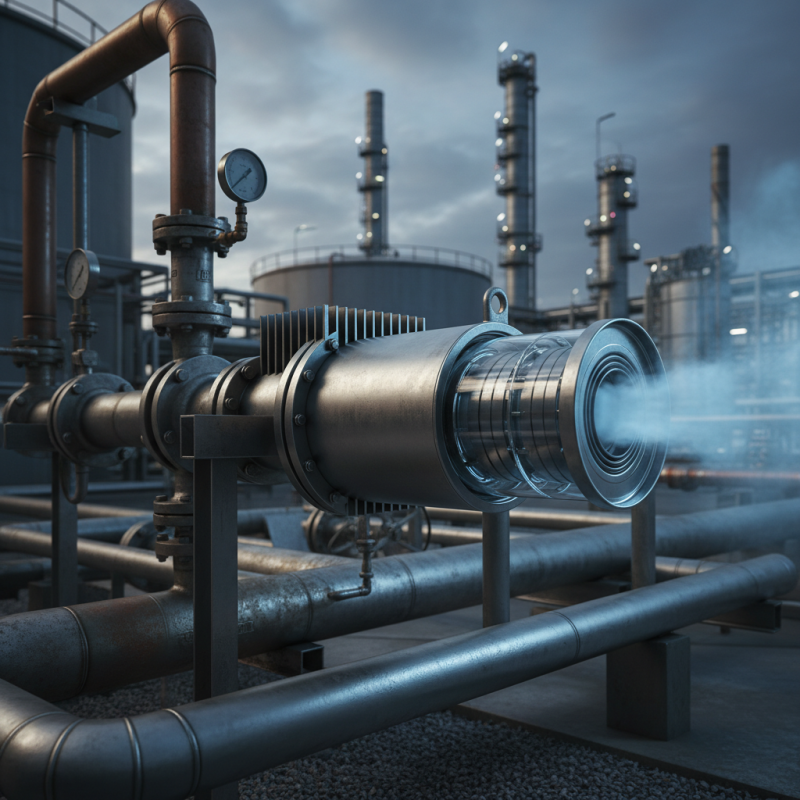
A flame arrester is a safety device designed to prevent flames from traveling through flammable gases or vapors. It serves as a barrier, allowing gases to flow while blocking the transmission of fire. These devices are crucial in industrial settings where volatile substances are present.
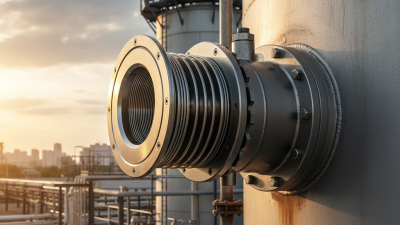
In essence, a flame arrester is constructed with a metal or ceramic mesh. This mesh absorbs the heat and cools the flame before it can ignite surrounding materials. Various designs exist, including those with multiple layers of mesh for increased efficiency. It is vital to maintain these devices regularly to ensure their effectiveness.
However, the installation and maintenance of flame arresters can be overlooked. Some facilities may view them as secondary, but this can lead to dire consequences. Regular evaluations are essential. Ensuring they function correctly is a responsibility not to be taken lightly. Awareness and diligence are key to preventing accidents.
The Basic Principle of Flame Arresters
A flame arrester is an essential safety device. It prevents flames from traveling back through a system. These devices are crucial in industries handling flammable gases and vapors. The basic principle relies on cooling and extinguishing flames. They can be found in pipelines, storage tanks, and processing units.
According to industry reports, the effectiveness of flame arresters relies on their design and placement. A properly installed arrester can stop flames with up to 95% success. Some studies suggest that incorrect installation may cause equipment failures. Flame paths can be complex, and sometimes arrester materials can degrade over time.
Operational conditions affect performance too. High pressures and temperatures can challenge their functionality. Regular inspections are vital to maintain effectiveness. Data shows that failure to do so increases risks significantly. Organizations must prioritize regular audits and training on flame arrester use. Ensuring safety in volatile environments requires continuous attention.
Types of Flame Arresters and Their Applications
Flame arresters are crucial safety devices designed to prevent flame propagation. They play a significant role in various industries, especially those handling flammable gases or liquids. Understanding the types of flame arresters and their applications is essential for effective safety measures.
There are several types of flame arresters. The most common is the “deflagration arrester.” It works by allowing gas flow while extinguishing any flames. You often find these in pipelines and storage tanks. Another type is the “detonation arrester.” This is used in situations with a higher risk of explosive pressures. It can handle faster flame speeds. Each type has its specific use, tailored to the environment it protects.
**Tip:** Regular maintenance checks on flame arresters can save lives. Inspect their condition frequently. Ensure there are no blockages that could prevent proper operation.
Flame arresters also vary in design depending on their application. For instance, the configuration may differ in outdoor and indoor installations. Always assess your specific needs before selecting a flame arrester. Familiarity with your workspace is key.
**Tip:** Train staff on the operation of flame arresters. Knowledge is crucial for effective safety practices in an emergency.
What is a Flame Arrester and How Does It Work? - Types of Flame Arresters and Their Applications
| Type of Flame Arrester |
Working Principle |
Applications |
Material Used |
Installation Location |
| Metal Flame Arrester |
Uses a network of metal mesh to cool and quench flames. |
Chemical plants, oil refineries, and fuel storage tanks. |
Stainless steel, aluminum. |
Vent pipes and tank openings. |
| End-of-Line Flame Arrester |
Activated by the heat of the flame, preventing it from traveling back. |
Gas pipelines and exhaust systems. |
Carbon steel, cast iron. |
At the end of gas or vapor lines. |
| Inline Flame Arrester |
Uses flame propagation resistance to extinguish flames within the pipeline. |
Spray operations, process manufacturing. |
Stainless steel, bronze. |
Within production lines or pipelines. |
| Detachable Flame Arrester |
Can be easily removed for maintenance, features replaceable elements. |
Wind turbines, dust collection systems. |
High-temperature alloys, plastics. |
Maintenance points and service areas. |
How Flame Arresters Are Installed and Maintained
Flame arresters are critical devices in industrial settings. They prevent the propagation of flames through vents, piping, or other openings. Installing them correctly is vital for safety. Proper placement ensures they effectively perform their function.
When installing a flame arrester, location is key. It should be near the source of potential ignition. The mounting angle must align with the flow direction. Ensuring a tight seal is necessary to prevent any leaks. Regular maintenance is equally important. Inspect the arrester for debris and blockages. Even small particles can diminish effectiveness.
Many users overlook routine checks. This can lead to dangerous situations. It's crucial to establish a maintenance schedule. Cleaning and inspection should happen at set intervals. If any damage is noticed, replace the device. Neglecting these steps could result in severe consequences. Remember, an arrester is only as reliable as its upkeep.
Flame Arrester Performance Comparison
Safety Regulations and Standards for Flame Arresters
Flame arresters play a crucial role in preventing the propagation of flames. They are essential in various industrial settings. Understanding the safety regulations surrounding these devices is vital.
The design of a flame arrester must comply with specific standards. These standards ensure that the device effectively stops flames. Organizations like ATEX and NFPA outline requirements. Regular inspections and maintenance help uphold these standards. It’s important to check for wear and tear. Ageing flame arresters may not perform as well as new ones.
Tips: Always verify certifications before installation. Ensure it meets the necessary standards for your industry. Regular training for staff can also enhance safety. Understanding how to identify failures is crucial for effective use.
Regulatory compliance not only protects equipment but also saves lives. However, some companies overlook these regulations. This can lead to severe accidents. A proper understanding of flame arresters can bridge this gap. Appreciation of these devices improves overall safety culture within an organization.