What is a Geyser Pressure Valve and How Does it Work?
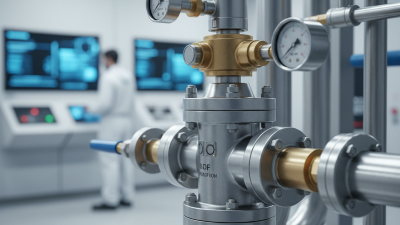
In the world of plumbing and home safety, the Geyser Pressure Valve plays a critical role. According to John Smith, a noted expert in plumbing systems, “The Geyser Pressure Valve ensures that your hot water system operates safely and efficiently.” This device protects against excessive pressure build-up in geysers, reducing the risk of dangerous eruptions.
Many homeowners overlook the importance of these valves. Neglecting to understand their function can lead to costly damage. The Geyser Pressure Valve is a small, yet powerful, safety device. It monitors pressure levels and automatically releases excess pressure when needed. Failing to have a working valve can be a perilous mistake.
Understanding the mechanics of a Geyser Pressure Valve requires experience and practical knowledge. It’s essential for maintaining a safe household. Regular checks and maintenance can ensure its reliability. Being aware of its role may save you from significant problems down the line.
What is a Geyser Pressure Valve?
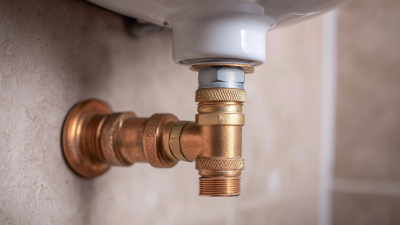
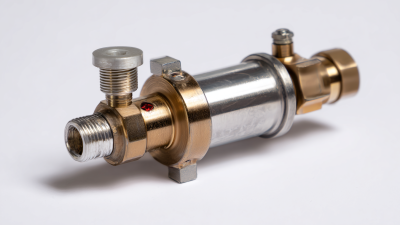
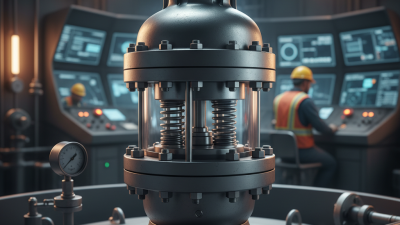
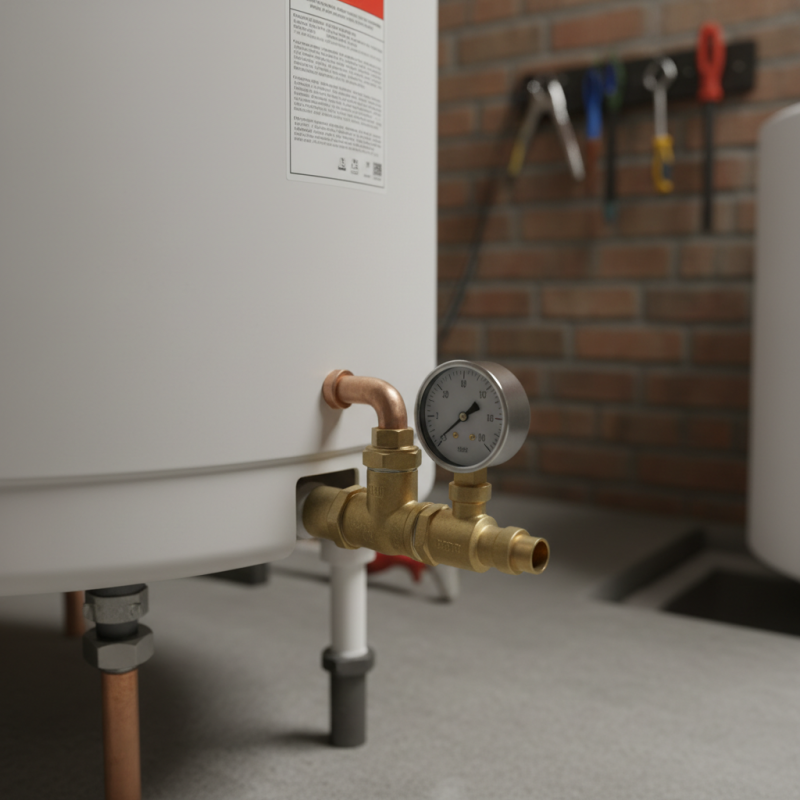
A geyser pressure valve is a crucial component in geyser systems. It regulates pressure to ensure safe operation. Typically, these valves are set to open at a predetermined pressure, releasing excess steam. This prevents accidents like explosions, which can occur when pressure exceeds safe levels.
According to industry reports, nearly 50% of geyser-related incidents stem from pressure failures. These failures often result from worn-out or malfunctioning valves. Regular maintenance of the pressure valve can significantly reduce risks. Experts recommend checking the valve at least once a year. However, many homeowners overlook this simple task, leading to potential hazards.
In the context of installation, proper placement of the geyser pressure valve is essential. Installing it too low can cause water hammer issues, while placing it too high may lead to ineffective pressure control. Best practices suggest locating the valve near the heater, ensuring quick response to pressure changes. Despite its importance, not all installations follow these guidelines. This reflects a gap in understanding the critical role of pressure management in geyser safety.
What is a Geyser Pressure Valve and How Does it Work?
| Dimension |
Details |
| Function |
Regulates pressure and ensures safe operation of geysers |
| Components |
Relief valve, spring, housing |
| Working Principle |
Opens to release excess pressure to avoid bursting |
| Common Pressure Settings |
Typical range between 50 to 150 psi |
| Maintenance |
Regular inspection and testing for functionality |
| Safety Benefits |
Prevents explosion and water damage, increases user safety |
The Purpose and Importance of a Geyser Pressure Valve
Geyser pressure valves play a crucial role in maintaining safety and efficiency in water heating systems. They function by regulating the pressure inside a geyser, preventing excessive buildup that could lead to dangerous failures. According to industry experts, an estimated 30% of household injuries from water heaters are linked to pressure issues. This emphasizes the importance of having a reliable pressure valve in place.
Using a geyser pressure valve can significantly reduce the risk of explosions. The typical operating pressure for residential geysers is around 60 psi, but without a valve, this can easily escalate. Data from the National Fire Protection Association highlights that pressure-related incidents could be mitigated by installing these valves. Properly functioning pressure relief devices also ensure consistent water temperature, enhancing overall efficiency.
Maintaining these valves is equally important. Regular inspections can determine their operational status and reveal potential weaknesses. A surprising number of homeowners neglect this aspect, leading to increased risks. Reports indicate that about 40% of geyser failures are due to improper maintenance. Understanding how geyser pressure valves work and their significance can lead to safer homes and improved energy efficiency.
How Does a Geyser Pressure Valve Operate?
A geyser pressure valve is a critical safety device in hot water systems. It helps regulate the pressure buildup within a geyser or water heater. Excessive pressure can cause catastrophic failures. According to industry reports, nearly 80% of hot water system failures are due to pressure-related issues. This highlights the importance of a functioning pressure valve.
The operation of a geyser pressure valve is quite straightforward. When the water inside the geyser heats up, it expands. This expansion increases the pressure. The pressure valve senses this rise and opens, allowing some water to escape, which reduces pressure. Most valves maintain a preset pressure limit, usually around 80-90 psi. If the pressure exceeds this threshold, the valve activates.
However, not all installations meet optimal standards. Some valves can become stuck or malfunction over time. Routine maintenance is essential. Industry data shows that nearly 30% of geyser failures occur due to neglect of pressure valve upkeep. This statistic stresses the necessity for homeowners to check their systems regularly. Safe and efficient operation depends heavily on proper functioning pressure valves.
Common Issues with Geyser Pressure Valves and Their Solutions
Geyser pressure valves play a crucial role in maintaining safe water pressure in heating systems. However, they can encounter various issues over time. A common problem is valve leakage, which can result in water waste and potential damage. This typically occurs due to worn-out seals or mineral buildup. Regular inspection and replacement of these components can help prevent leaks and maintain optimal performance.
Another issue is pressure build-up. When the valve fails to release excess pressure, it can lead to serious consequences. This might happen if the valve is obstructed or malfunctioning. A good practice is to test the valve periodically by manually lifting the lever. This ensures it opens freely and can handle pressure changes effectively.
Corrosion is also a significant concern. It can weaken the valve, making it prone to failures. Inspecting the valve for signs of rust or deterioration is essential. If corrosion is found, replacing the valve is the best option. Keeping the valve clean and dry can mitigate this issue. Addressing these concerns promptly can enhance the longevity and reliability of your geyser system.
Common Issues with Geyser Pressure Valves
Maintenance Tips for Ensuring Geyser Pressure Valve Functionality
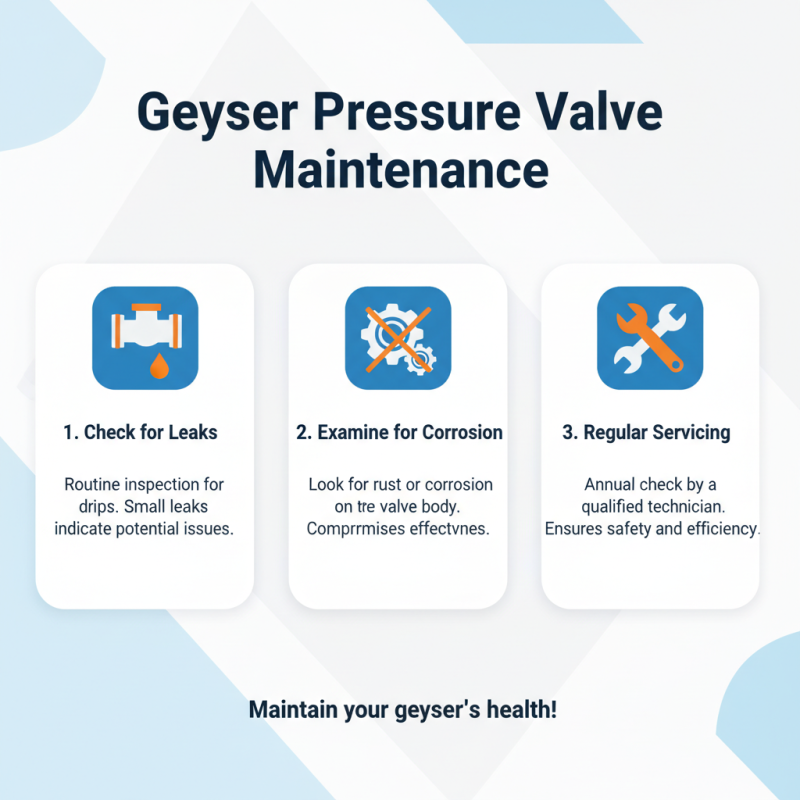
Geyser pressure valves play a crucial role in maintaining safety and efficiency in geysers. Regular maintenance ensures these valves function correctly and prolongs their lifespan. Check for leaks routinely; even small drips can indicate potential issues. You should also examine the valve for rust or corrosion, which can compromise its effectiveness.
Cleaning the valve is essential. Over time, sediment can build up and affect performance. Use a soft brush to eliminate any debris without damaging the valve. Testing the valve's operation every few months is wise. This step can help identify problems early, preventing costly repairs.
While following maintenance practices is crucial, it’s just as vital to know when to seek professional help. If the valve shows signs of malfunction, replacing it may be necessary. A malfunctioning valve can lead to pressure build-up, causing leaks or worse, explosions. Regular maintenance helps avoid such situations, ensuring a safer home environment.