Understanding the Importance of Pressure Relief Valves in Industrial Safety Systems
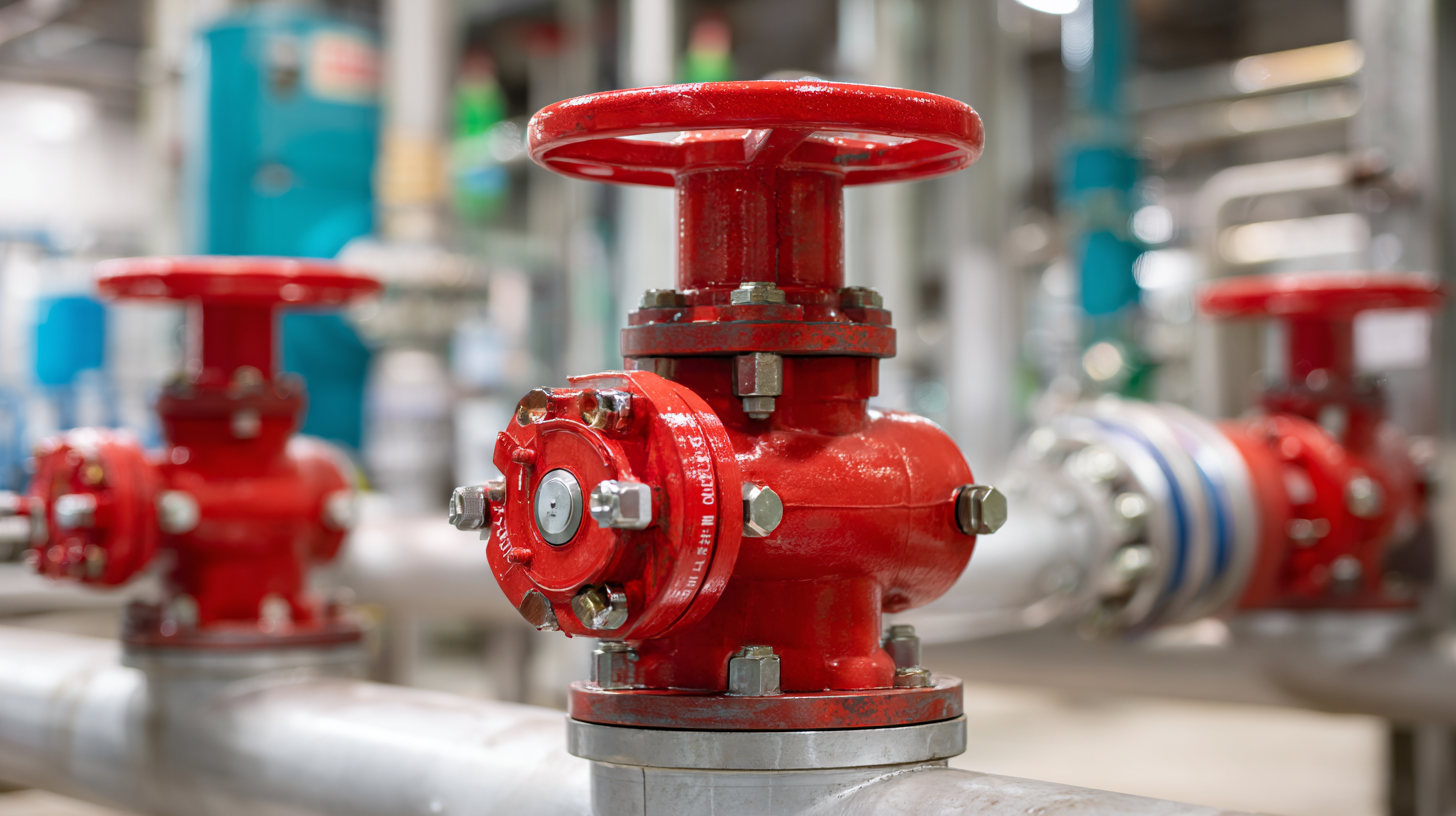
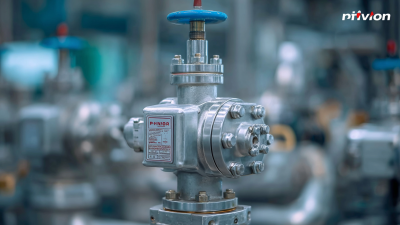
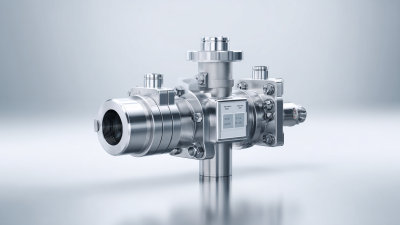
In the realm of industrial safety, the role of the Pressure Relief Valve (PRV) cannot be overstated, as it serves as a critical component in mitigating potential hazards associated with excessive pressure within machinery and piping systems.
According to a report by the National Board of Boiler and Pressure Vessel Inspectors, it is estimated that improper functioning of pressure relief devices accounts for over 25% of incidents related to industrial equipment failures.
Furthermore, the Occupational Safety and Health Administration (OSHA) notes that regular testing and maintenance of PRVs can significantly reduce the risk of catastrophic failures, suggesting that a proactive approach to pressure management is not only prudent but essential.
This underscores the importance of understanding both the operational principles and maintenance practices associated with PRVs to ensure the safety and efficiency of industrial processes, thereby protecting both personnel and assets.
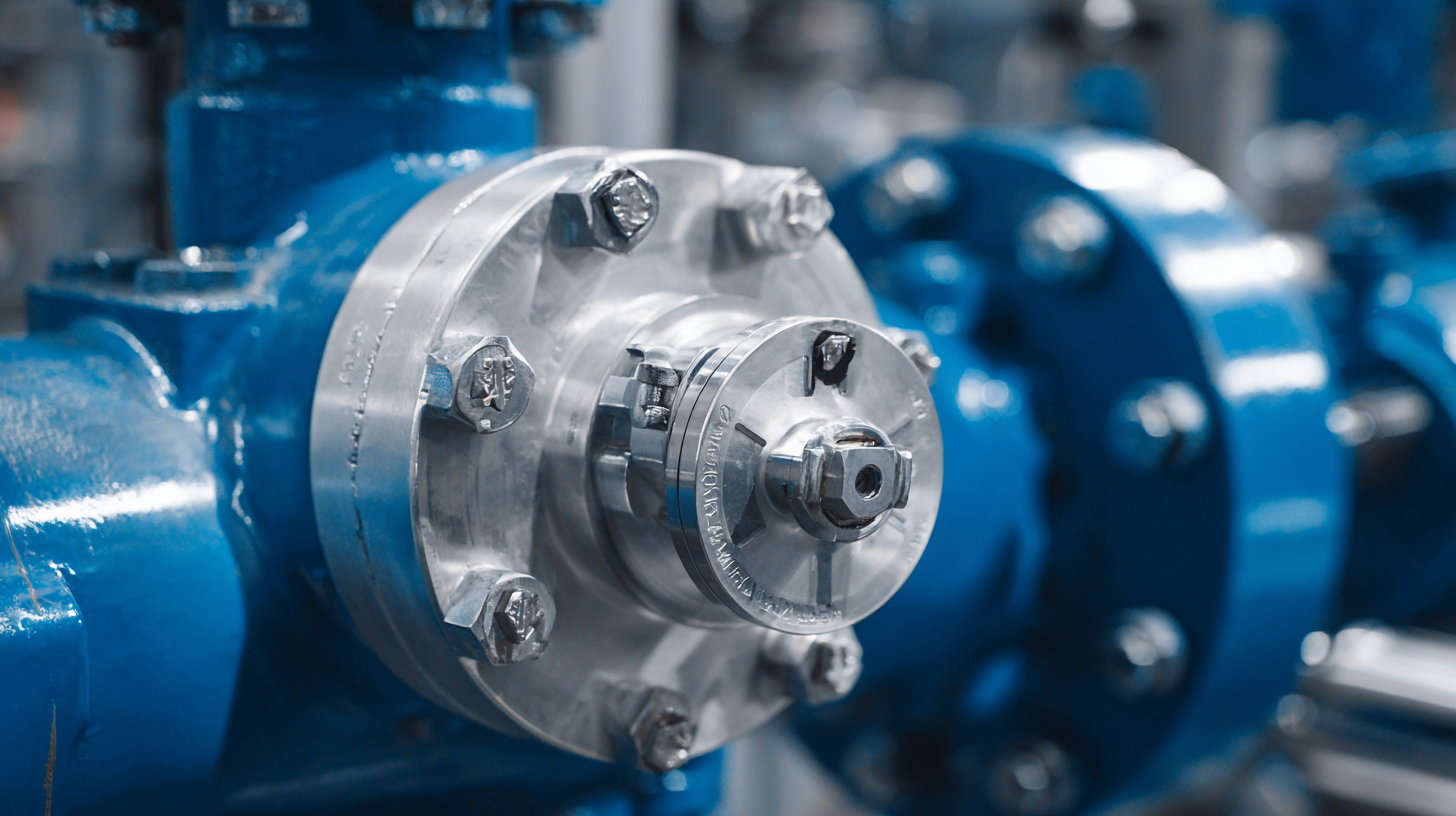
The Role of Pressure Relief Valves in Preventing Industrial Accidents
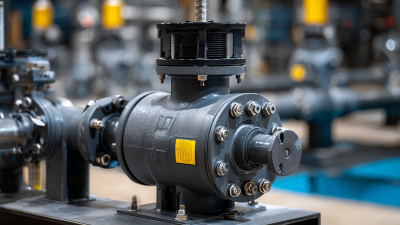
Pressure relief valves (PRVs) are critical components in industrial safety systems, serving as the first line of defense against overpressure scenarios that can lead to catastrophic failures. These valves are engineered to automatically release excess pressure from equipment and piping systems, thereby preventing potential explosions or structural damage. The ability of PRVs to react swiftly to increasing pressure ensures that product integrity and worker safety remain uncompromised during normal operations or unforeseen events.
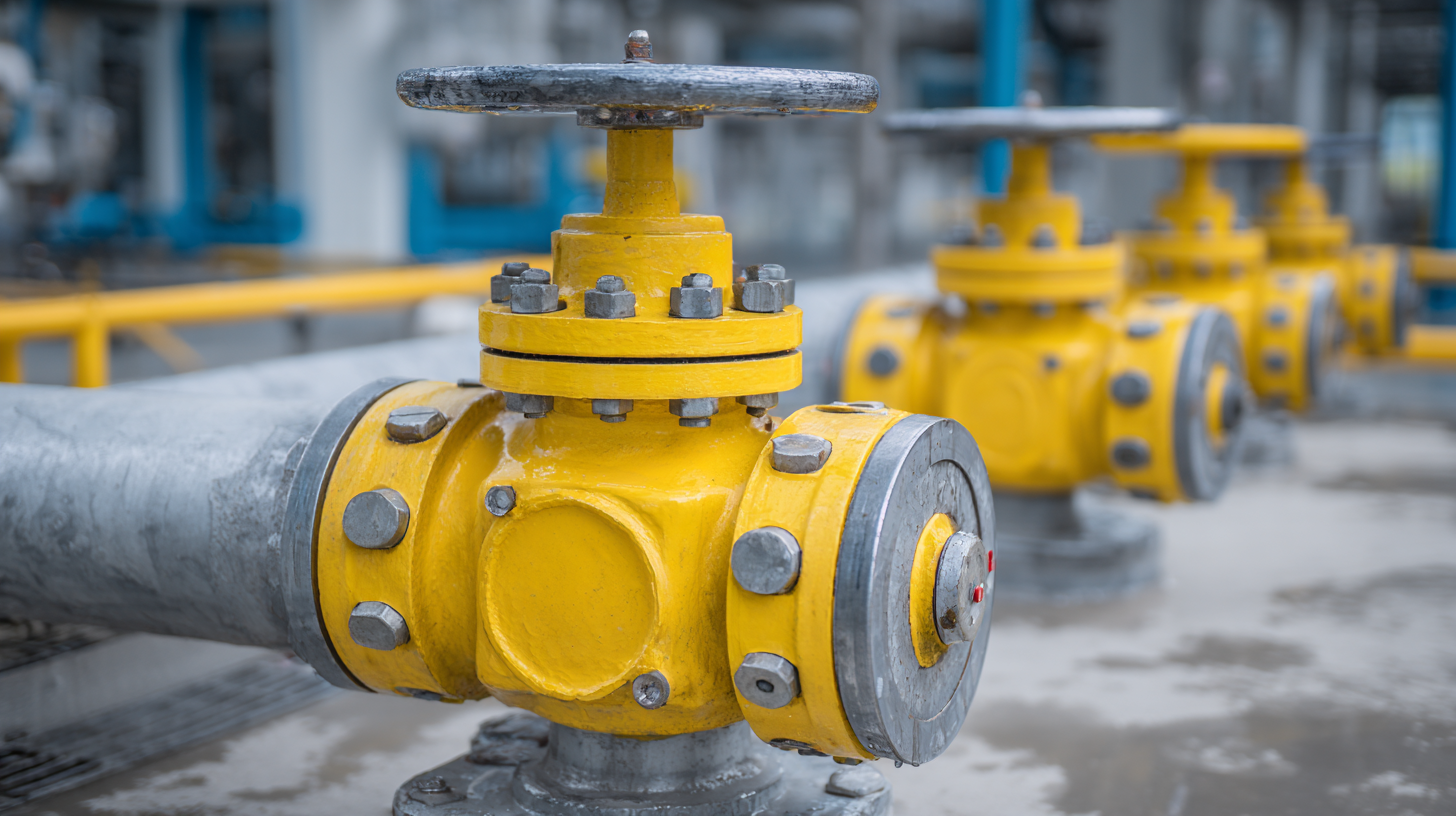
In industries such as oil and gas, chemical manufacturing, and food processing, the consequences of uncontrolled pressure buildup can be dire. PRVs help maintain safe operational parameters by venting excess steam, gas, or liquid back to a safe location. This not only mitigates the risk of accidents but also enhances the overall reliability of the production process. Regular maintenance and testing of these valves are essential to ensure they operate effectively when needed, reinforcing their role in safeguarding human life and assets.
Key Benefits of Implementing Pressure Relief Valves in Safety Protocols
Pressure relief valves (PRVs) play a critical role in maintaining safety protocols within industrial settings. These devices are designed to prevent overpressure in equipment, which can lead to catastrophic failures, accidents, and hazards. By implementing PRVs, industries can significantly mitigate risks associated with equipment failure, thereby enhancing worker safety and operational reliability. The use of PRVs as part of safety protocols ensures that pressure buildup is managed effectively, creating a safer work environment for all employees.
Moreover, the benefits of incorporating pressure relief valves extend beyond immediate safety concerns. They contribute to compliance with regulatory standards, reducing the likelihood of costly penalties and legal implications. Additionally, by safeguarding against potential equipment damage, PRVs help in minimizing downtime, which can be financially burdensome for companies. Overall, the strategic implementation of pressure relief valves is essential for fostering a robust industrial safety system, ensuring the wellbeing of both employees and equipment.
How Pressure Relief Valves Enhance Equipment Longevity and Reliability
Pressure relief valves (PRVs) play a crucial role in enhancing the longevity and reliability of industrial equipment. By automatically releasing excess pressure, these devices prevent potential overpressure scenarios that could lead to catastrophic failures. When equipment operates within its design limits, it experiences less wear and tear, translating to fewer maintenance requirements and extended service life. In industries where high pressure is commonplace, PRVs act as a safety net, ensuring that both machinery and personnel remain protected from hazardous situations.
Moreover, the integration of PRVs into industrial safety systems fosters a more reliable operational environment. By maintaining optimal pressure levels, they minimize the risk of equipment malfunctions or production downtimes. This reliability not only boosts productivity but also safeguards investments in machinery and infrastructure. As industries increasingly prioritize safety and efficiency, the importance of pressure relief valves cannot be overstated; they are essential components that contribute to sustained operational excellence and equipment performance over time.
Understanding the Importance of Pressure Relief Valves in Industrial Safety Systems
| Parameter |
Description |
Importance |
Impact on Longevity & Reliability |
| Set Pressure |
The pressure at which the valve opens to relieve pressure |
Prevents overpressure conditions |
Enhances equipment lifespan by preventing damage |
| Material Selection |
Materials designed to withstand high temperatures and pressures |
Increases durability |
Reduces failure rates and maintenance costs |
| Maintenance Frequency |
Regular inspections and servicing of the valves |
Ensures proper functioning |
Prolongs operational efficiency and reliability |
| Installation Location |
Placement in high-pressure zones |
Optimizes pressure relief effectiveness |
Minimizes risk of catastrophic failures |
| Compliance Standards |
Adherence to industry regulations and standards |
Ensures safety and reliability |
Reduces liability and enhances trust |
Analyzing Common Failure Modes of Pressure Relief Valves in Operations
Pressure relief valves (PRVs) are critical components in industrial safety systems, designed to prevent the hazardous buildup of pressure within equipment and piping systems. However, understanding their common failure modes is essential for maintaining operational safety and efficiency.
One significant failure mode is seat leakage, which can occur due to wear and tear or corrosion, leading to unintended release of pressure. This not only compromises system integrity but can also result in costly downtime or even catastrophic failures if not addressed promptly.
Another prevalent issue is the failure to open or close properly, often attributed to debris accumulation or mechanical malfunction. If a PRV fails to open, excessive pressure can lead to equipment ruptures; conversely, if it cannot close, it may result in system pressurization exceeding safe limits.
Regular maintenance and inspection are paramount to identifying these potential failures before they escalate into serious incidents. Addressing these common failure modes through proactive measures can significantly enhance the reliability of pressure relief valves and safeguard industrial environments from potential risks.
Best Practices for Maintenance and Testing of Pressure Relief Systems
Pressure relief valves (PRVs) play a critical role in maintaining safety within industrial systems by preventing overpressure conditions that could lead to catastrophic failures. According to a report by the
National Fire Protection Association (NFPA), incidents related to pressure systems account for approximately 15% of industrial accidents. Therefore, the maintenance and testing of pressure relief systems are not just best practices; they are essential for ensuring operational safety and regulatory compliance.
To ensure the effectiveness of PRVs, it is vital to follow a structured maintenance schedule. The
American Society of Mechanical Engineers (ASME) recommends inspecting and testing pressure relief valves at least once a year, or more frequently in environments where valve failure could result in significant risk. Regular testing not only verifies the valve's functionality but also helps identify any corrosion or wear that could compromise its integrity. Additionally, proper documentation of these tests is crucial. It provides a reliable history that can be beneficial during audits or assessments by regulatory bodies.
In practicing these maintenance protocols, industries can significantly reduce the risk of equipment failures. Data from the Chemical Safety Board indicate that up to 50% of pressure-related incidents could have been prevented with more rigorous maintenance practices. This underscores the importance of not only understanding the critical role of PRVs but also committing to a proactive maintenance routine as a fundamental element of an effective industrial safety management system.