Essential Tips for Choosing the Right Flame Arrester?
Choosing the right flame arrester is crucial for ensuring safety in various industries. According to a report by the National Fire Protection Association (NFPA), utilizing flame arresters can reduce the risk of fire incidents by up to 40%. These devices serve as vital safety mechanisms, preventing flames from propagating through vents and pipes. The growing demand for flame arresters in sectors like oil and gas highlights the need for proper selection to meet specific requirements.
Many users, however, overlook essential factors when choosing a flame arrester. The wrong choice can lead to increased hazards and operational inefficiencies. For instance, a flame arrester that fails to match the correct flow rate may not function effectively. Research indicates that around 25% of safety incidents occur due to improper equipment selection. This alarming statistic underscores the importance of informed decision-making in the selection process.
When selecting a flame arrester, attention to detail is essential. Factors like material compatibility, size, and the application environment are critical. Certain areas may have unique challenges that impact flame arrester performance. Users should evaluate their specific needs thoroughly. The right flame arrester can save lives and protect property, making the selection process a deliberate and informed effort.
Understanding the Functionality of Flame Arresters
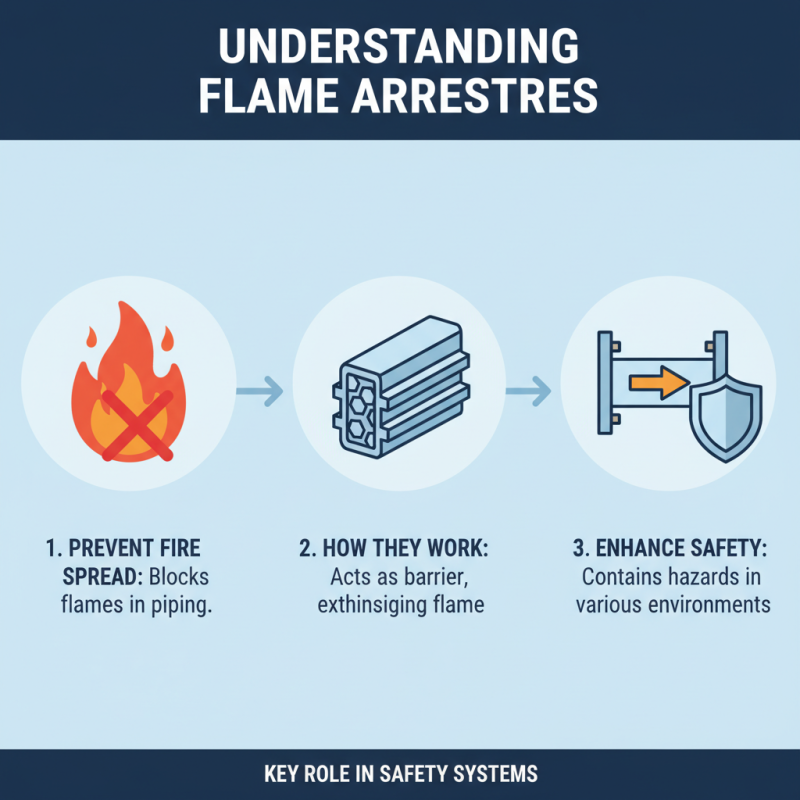
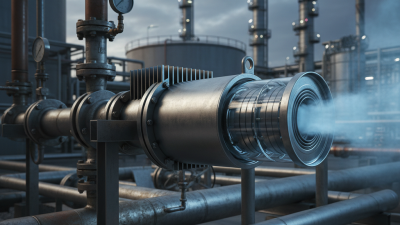
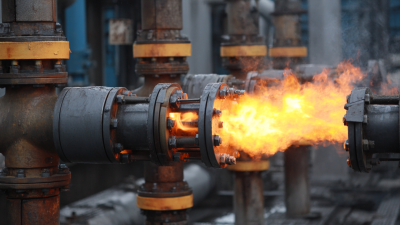
Flame arresters play a crucial role in safety systems, preventing fire from spreading through piping. Understanding their functionality can significantly enhance safety protocols in various environments. These devices act as barriers by extinguishing flames before they reach the source, ensuring that hazardous situations remain contained.
Different types of flame arresters exist, including passive and active systems. Passive types use physical barriers, while active ones require power. Each type serves distinct applications. Choosing the right type can be challenging. Factors like gas composition, pressure, and temperature must be considered. Mistakes in selection can lead to severe consequences.
It is critical to analyze the specific operational conditions in which the flame arrester will be employed. Regular maintenance and testing are also essential. A well-maintained flame arrester can prevent potential disasters. However, neglect can compromise functionality, leading to safety risks. Always consult with safety professionals for guidance tailored to your specific needs.
Types of Flame Arresters: Which One Suits Your Needs?
When selecting a flame arrester, understanding the different types available is vital. There are generally two main categories: passive and active flame arresters. Passive types rely on their physical structure to prevent flames from traveling back into the system. They often include mesh screens or baffle plates. These solutions can be effective, but they may not provide sufficient protection in all scenarios.
Active flame arresters, on the other hand, use mechanisms to extinguish flames. An example is the use of a water mist system. A report from the National Fire Protection Association (NFPA) states that approximately 60% of industrial fires originate from flammable vapors. This highlights the need for effective flame arresters, especially in sectors like petrochemicals and pharmaceuticals.
It's crucial to assess specific needs before making a decision. For instance, a facility with high-pressure gas systems might require a more robust design found in active systems. In contrast, a simple storage tank scenario could benefit from a less complex passive arrester. Often, users overlook these factors, leading to potential risks and inefficiencies in fire protection. Choosing the right type requires careful analysis and often consultation with industry experts to ensure both safety and compliance with regulations.
Essential Tips for Choosing the Right Flame Arrester
This chart illustrates the suitability scores of various types of flame arresters for different applications. The scores are out of 100, indicating how effective each type is in preventing flame propagation in specific environments. Understanding these options can help you choose the right flame arrester for your needs.
Key Factors to Consider When Selecting a Flame Arrester
Choosing the right flame arrester requires careful consideration of several key factors. A flame arrester must match the specific needs of your application.
Material selection is crucial. Stainless steel is commonly used due to its durability. However, in some cases, aluminum might suffice as a lighter option.
The design of the arrester matters too. A device with a mesh screen allows for better gas flow while preventing flames from escaping. Check the mesh size and ensure it is appropriate for your system. It's essential to understand the pressure drop. Too much pressure drop can reduce efficiency and affect system performance.
Regular maintenance is vital. An unclean arrester can hinder its effectiveness. Inspect your flame arrester periodically. Look for any signs of wear or damage. An old or damaged device may fail when needed most.
Keeping records of maintenance helps ensure reliability over time. Remember that not all applications are the same. Custom solutions may be necessary for more complex setups.
Safety Standards and Regulations for Flame Arresters
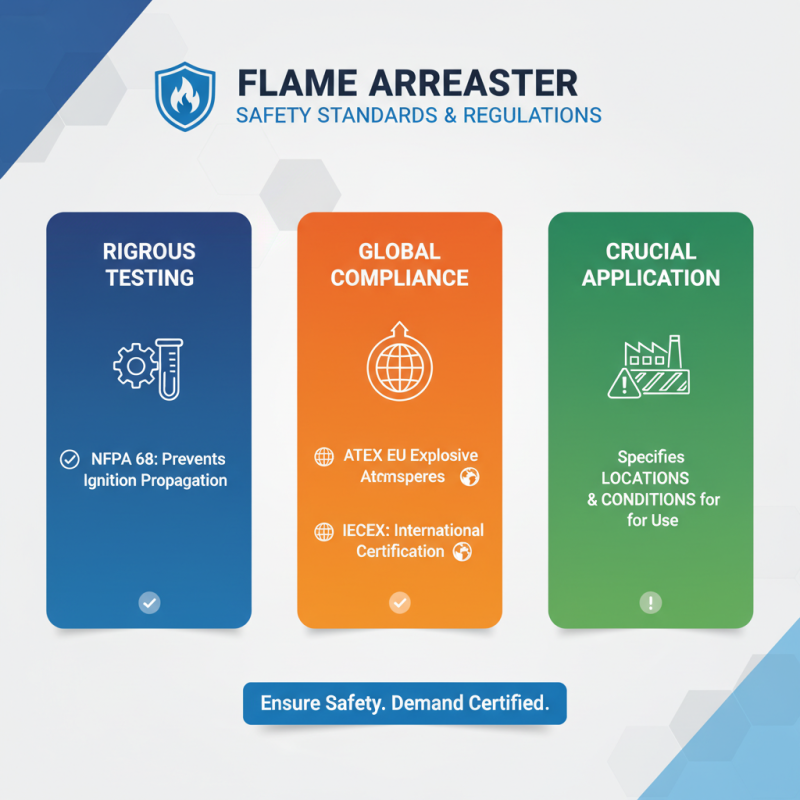
When selecting a flame arrester, understanding safety standards is crucial. According to NFPA 68, flame arresters must undergo rigorous testing. This ensures they can effectively prevent ignition propagation without compromising safety. Compliance with recognized standards like ATEX and IECEx is another key aspect. These standards specify the locations and conditions where flame arresters should be utilized.
Testing performance can vary significantly. A report by the International Society for Safety recognized that up to 30% of products do not meet required criteria. This highlights the importance of choosing systems that have been certified by reputable entities. The materials used can also impact durability and effectiveness. Even small discrepancies in design can lead to failures in preventing explosions.
Furthermore, regular maintenance is often overlooked. Routine checks can reveal wear and tear, which may compromise efficacy. A flame arrester that operates below its safety threshold can have dire consequences. Only through a well-informed choice, backed by reliable information and compliance with safety standards, can potential hazards be minimized. Therefore, it's essential to critically assess options and keep safety at the forefront of the decision-making process.
Maintenance Tips for Prolonging the Life of Your Flame Arrester
Flame arresters play a crucial role in ensuring safety. Proper maintenance can prolong their effectiveness. Start by regularly checking for signs of wear and tear. Look for cracks or corrosion in the components. These issues can compromise their performance. Identifying problems early is key.
Cleaning is essential. Dust and debris can accumulate and hinder function. Use a soft brush or compressed air to clear out any obstructions. A thorough inspection should happen at least once a year. This practice helps ensure that the arrester operates effectively.
Keep records of maintenance activities. This documentation is valuable for tracking performance. If an issue arises, you can refer back to past inspections. Failing to maintain a flame arrester might lead to dangerous situations. Always prioritize safety and adhere to best practices in maintenance. Regular checks and cleaning are simple yet impactful steps.
Essential Tips for Choosing the Right Flame Arrester
| Criteria |
Description |
| Material |
Choose corrosion-resistant materials like stainless steel for durability. |
| Pressure Rating |
Ensure the flame arrester can handle the maximum pressure of your system. |
| Flow Rate |
Select a device that matches your flow requirements to avoid back pressure. |
| Temperature Range |
Check the temperature specifications to ensure it can function effectively. |
| Certification |
Look for certifications to ensure compliance with safety standards. |
Maintenance Tips for Prolonging the Life of Your Flame Arrester
| Maintenance Activity |
Frequency |
| Visual Inspection |
Monthly |
| Cleaning |
Quarterly |
| Functional Testing |
Annually |
| Replacement of Damaged Parts |
As needed |
| Documentation Review |
Biannually |