Top 10 Flame Arrestor For Tanks You Need to Know?
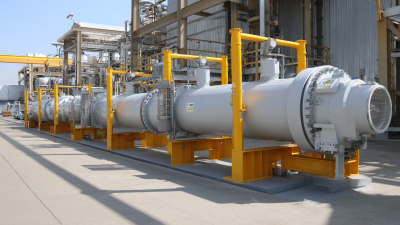
In the world of industrial safety, flame arrestors are crucial for protecting tanks. Experts like Dr. Emily Hart, a renowned authority in fire prevention, state, "A reliable flame arrestor can significantly reduce the risk of catastrophic explosions." The Flame Arrestor For Tanks plays a vital role in ensuring safe operations.
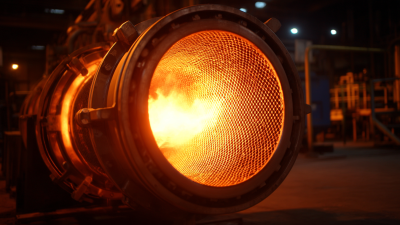
These devices work by allowing gases to escape while preventing flames from entering the tank. Each type serves a unique purpose, tailored to handle different flammable substances. However, selecting the right one can be overwhelming. Not all flame arrestors are created equal.
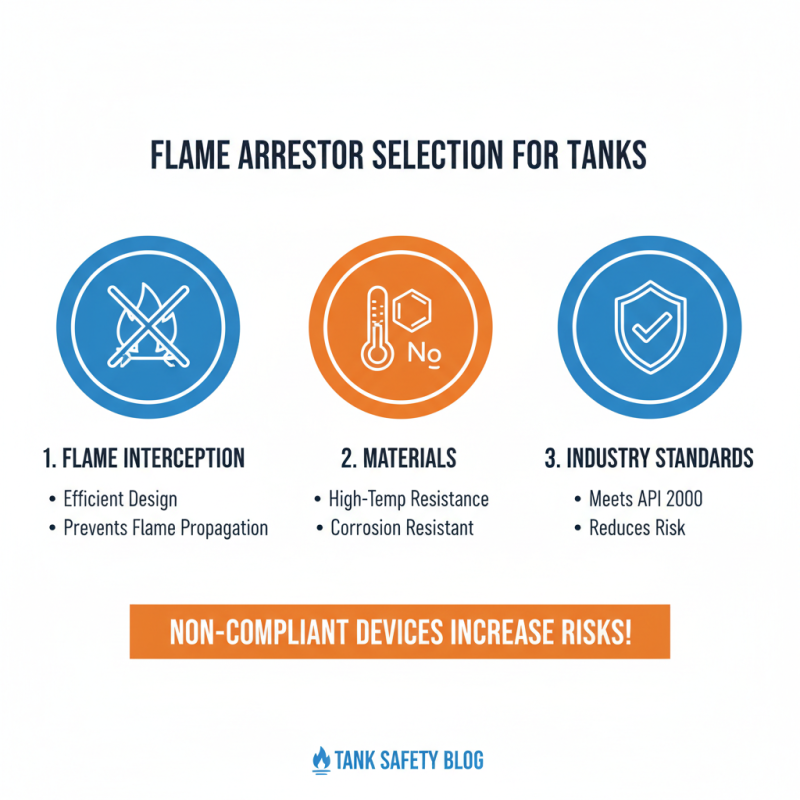
Common pitfalls arise in this selection process. For instance, using a model designed for lower pressures in high-stress environments could lead to disaster. Understanding specifications is key. Flame Arrestor For Tanks must match tank design and environmental conditions, leaving little room for error. The stakes are high, and diligence is essential.

Understanding Flame Arrestors and Their Importance in Tank Safety
Flame arrestors are vital components in the safety management of tanks. They prevent the propagation of flames from external sources to flammable vapors within tanks. According to a report by the National Fire Protection Association (NFPA), over 70% of industrial fires are linked to vapor ignition. This statistic highlights the importance of flame arrestors in protecting personnel and equipment.
Understanding the types of flame arrestors is essential. There are various designs, including deflagration and detonation arrestors, each suitable for different scenarios. The American Petroleum Institute (API) indicates that the right arrestor can reduce the risk of catastrophic failure by over 60%. Incorrect installation or poor maintenance can compromise their effectiveness, leading to dangerous situations.
Periodic testing and inspection are necessary to ensure functionality. Sadly, industry surveys show that 40% of organizations neglect this crucial aspect. Regular maintenance helps identify wear and tear, which can lead to potential failures. Flame arrestors are effective, but only if they are properly managed and respected as critical safety devices.
Top 10 Flame Arrestor For Tanks You Need to Know
| Model |
Type |
Material |
Temperature Rating (°C) |
Pressure Rating (bar) |
Weight (kg) |
| Model A |
Vapor Flame Arrestor |
Stainless Steel |
200 |
1.5 |
5.0 |
| Model B |
Liquid Flame Arrestor |
Aluminum |
150 |
2.0 |
4.5 |
| Model C |
Combination Flame Arrestor |
Bronze |
180 |
1.0 |
3.8 |
| Model D |
Vapor Flame Arrestor |
Carbon Steel |
220 |
1.5 |
6.0 |
| Model E |
Liquid Flame Arrestor |
Stainless Steel |
150 |
2.5 |
4.7 |
| Model F |
Vapor Flame Arrestor |
Aluminum |
200 |
1.5 |
5.5 |
| Model G |
Combination Flame Arrestor |
Bronze |
180 |
2.0 |
3.2 |
| Model H |
Vapor Flame Arrestor |
Carbon Steel |
220 |
1.0 |
6.5 |
| Model I |
Liquid Flame Arrestor |
Stainless Steel |
150 |
3.0 |
4.0 |
| Model J |
Combination Flame Arrestor |
Bronze |
180 |
2.2 |
3.5 |
Types of Flame Arrestors Used in Storage Tanks and Their Applications
Flame arrestors are crucial for safety in storage tanks. They prevent flames from traveling back into the tank, reducing fire hazards. There are several types of flame arrestors, each serving unique functions.
One common type is the detonation arrestor. It absorbs pressure waves from explosions, protecting connected systems. Another type is the deflagration arrestor, which slows down flames. This is essential in preventing ignition sources from spreading. These devices work effectively in various industries, including petrochemicals and pharmaceuticals.
Design is key. Materials must withstand harsh conditions. Installation locations require careful planning. There are challenges; sometimes, tanks have limited space for integration. Regular maintenance is necessary for optimal performance. These factors need constant attention, underscoring the importance of proper training and monitoring.
Top 10 Flame Arrestor Types and Their Applications in Storage Tanks
Top 10 Recommended Flame Arrestors for Various Tank Types and Sizes
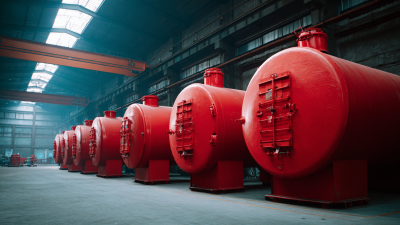
Flame arrestors are essential for keeping fuel storage tanks safe. They prevent flames from entering the tank, reducing the risk of explosions. Different types of tanks require specific flame arrestor designs to ensure optimal performance. For example, vertical and horizontal tanks have varying requirements. A close examination reveals that not all arrestors fit all tank types.
For smaller tanks, lightweight and compact flame arrestors perform well. They allow for easy installation and maintenance. However, the effectiveness can diminish in larger tanks. Selecting the right size is crucial. Many users overlook this detail. A flame arrestor that’s too small might not provide adequate protection.
In contrast, larger tanks often need robust options. Multi-layered designs can absorb significant heat. Yet, these come with a higher cost. Users may be tempted to cut corners, but this can lead to dangerous situations. The balance between cost and safety is often a challenging decision. Proper evaluation of tank specifications is vital. Each decision impacts safety and efficiency.
Installation and Maintenance Best Practices for Flame Arrestors in Tanks
Flame arrestors are crucial for ensuring safety in tank storage systems. Proper installation and maintenance are vital for their effectiveness. According to industry standards, over 60% of accidents in storage tanks are linked to improper flame arrestor functions. A well-installed flame arrestor can prevent catastrophic failures, protecting both personnel and property.
Regular inspections are necessary. Conduct checks at least once every six months. Look for signs of corrosion, wear, or blockage. Ensure that the flame arrestor is free of debris and that gaskets are intact. If repairs are needed, replace parts promptly. Ignoring these aspects can lead to reduced performance and increased risk.
Tip: Before installation, assess the tank's environment. Consider pressure and temperature variations. This can impact the type and size of the flame arrestor needed. Documentation of maintenance activities is also key. It helps in identifying patterns over time and improving reliability.
Inadequate maintenance can lead to severe consequences. Many facilities overlook routine practices, assuming devices will work indefinitely. Lack of attention can create vulnerabilities. Make it a habit to educate staff about the importance of flame arrestors. Regular training can enhance awareness and commitment to safety protocols.