Top 5 Pressure Vacuum Relief Valves for Global Buyers?
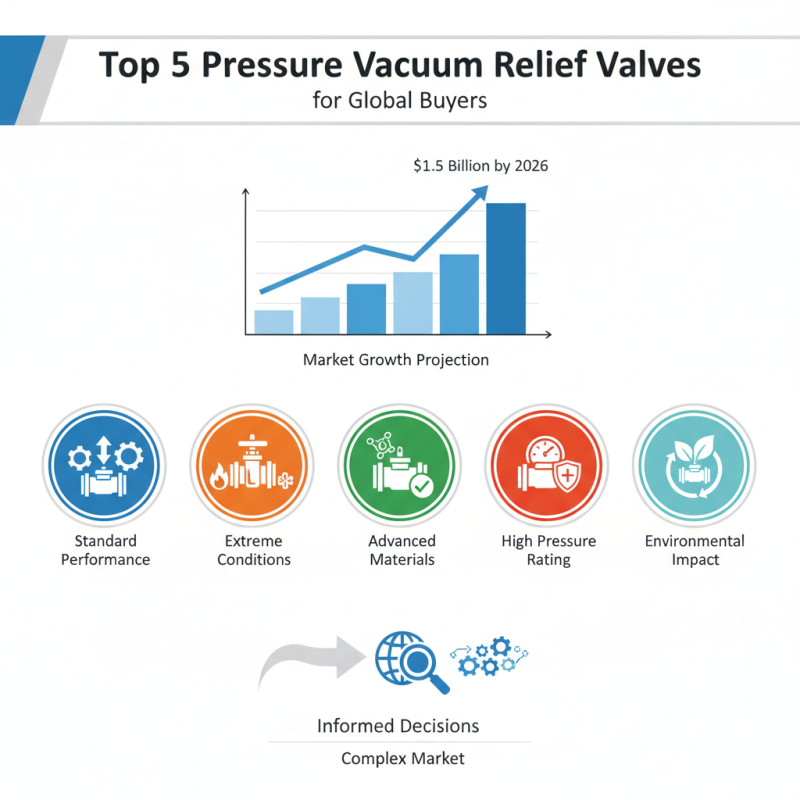
In today's industrial landscape, the importance of Pressure Vacuum Relief Valves cannot be overstated. These devices play a crucial role in maintaining safety during the storage and transportation of volatile substances. According to a report by Global Market Insights, the Pressure Vacuum Relief Valve market is projected to grow significantly, reaching approximately $1.5 billion by 2026. This growth underscores the rising demand for effective solutions that safeguard high-pressure systems.
Experts like Dr. Emily Rivera, a renowned valve technology researcher, emphasize that “the reliability of Pressure Vacuum Relief Valves is essential for preventing catastrophic failures.” Her insights reflect the industry’s consensus on the critical role these valves play. However, selecting the right valve can be challenging, as not all Pressure Vacuum Relief Valves are created equal. Each application may require different specifications to operate efficiently.
Some options may deliver performance under standard conditions but fail in extreme scenarios. Reflecting on the complexities of this field, engineers must consider factors like materials, pressure ratings, and environmental impacts. Additionally, a flawed choice can have serious consequences, highlighting the need for careful evaluation. This guide aims to present the top five Pressure Vacuum Relief Valves, helping global buyers make informed decisions in a complex market.
Understanding the Functionality of Pressure Vacuum Relief Valves
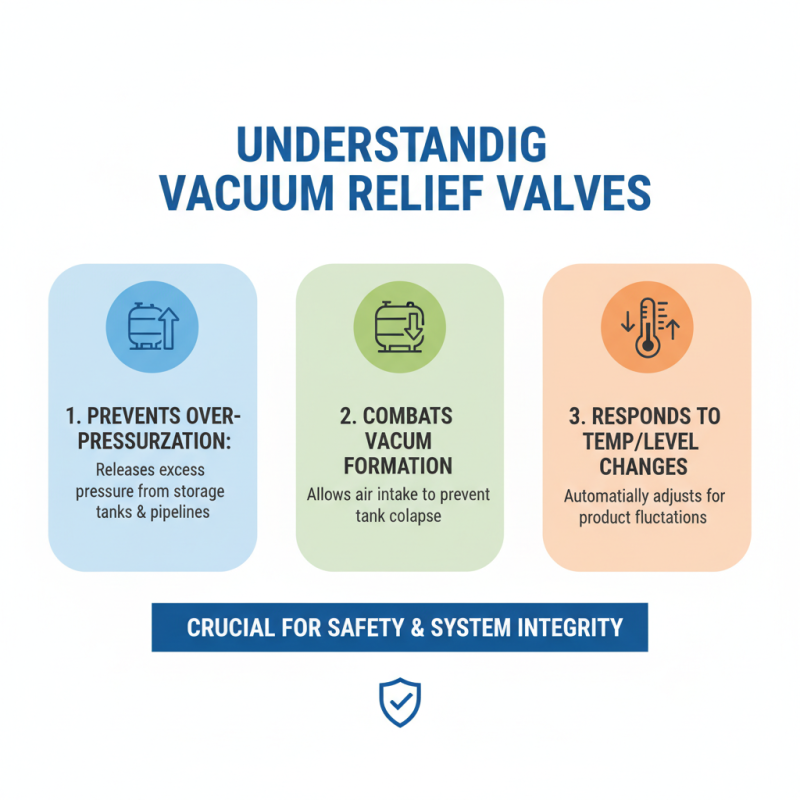
Pressure vacuum relief valves play a crucial role in maintaining the safety and integrity of storage tanks and pipelines. These valves allow for the controlled release of pressure or vacuum buildup, preventing dangerous situations. When the temperature fluctuates or product levels change, these valves respond quickly, ensuring that the tank operates within safe limits.
The design of pressure vacuum relief valves is vital for their functionality. They need to open at predetermined pressures to allow air in or out. This process protects against implosions or explosions. However, selecting the right valve based on specific application needs can be challenging. Not all valves are designed for the same pressures or liquid types, and improper selection can lead to significant risks.
Understanding these valves requires a blend of technical knowledge and practical experience. Users must consider factors such as installation, maintenance, and environment. Despite advancements, not all installations achieve optimal performance. Regular testing and evaluation are essential. An imperfect installation may compromise safety, highlighting the need for detailed inspections and adjustments.
Key Specifications and Standards for Selecting Relief Valves
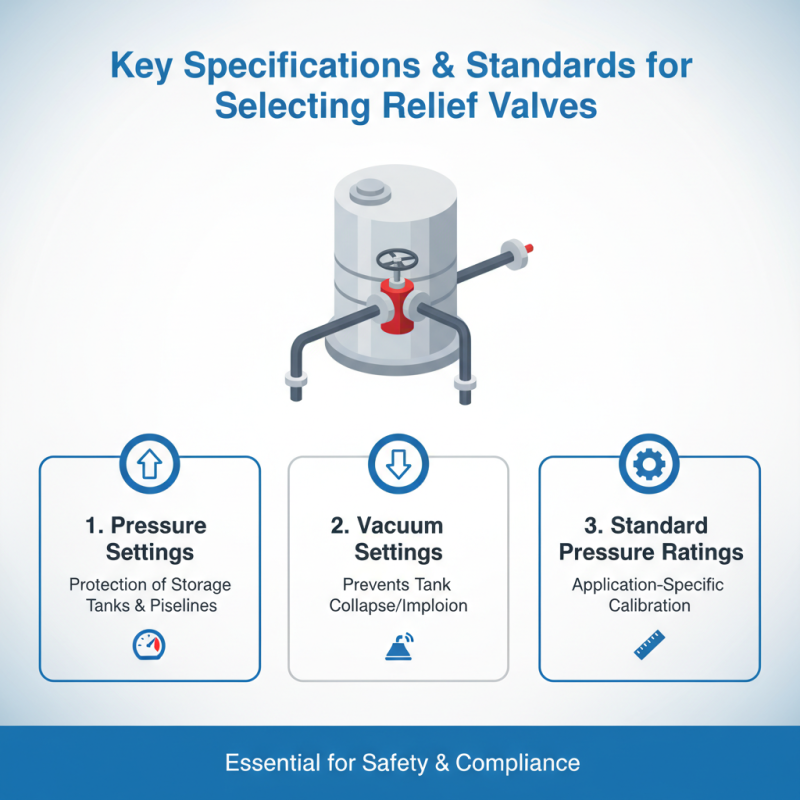
When selecting pressure vacuum relief valves, key specifications are essential. These valves are crucial in protecting storage tanks and pipelines. Understanding the pressure and vacuum settings is vital. Most valves have standard pressure ratings, usually tailored for specific applications.
Material selection is another critical factor. Valves are commonly made from metals or resilient plastics. Each material has its advantages. Metal valves often offer better durability. However, they may corrode over time. Plastic valves may be lightweight but can be less resistant to extreme temperatures.
Tips: Always consider the operating environment. If corrosive substances are involved, choose a valve material that can withstand such conditions. Regular maintenance checks can help ensure optimal performance. Assessing local regulations and industry standards is also a good practice. Not all specifications are universal, so tailoring your choice is necessary.
Top Pressure Vacuum Relief Valves: Market Leaders and Their Features
Pressure vacuum relief valves are essential for maintaining safe operational conditions in various industrial systems. These valves prevent the buildup of pressure or vacuum that can lead to equipment failure or hazardous situations. According to a report from the Global Market Insights, the pressure relief valve market is projected to exceed USD 3 billion by 2026, driven by the growing demand for safety in industries such as oil and gas, chemicals, and energy.
Market leaders have introduced innovative features to enhance performance. For instance, many valves now incorporate advanced materials to ensure durability and resistance to corrosive environments. Enhanced sealing mechanisms improve reliability and minimize leakage risks. These developments reflect the industry's focus on both safety and efficiency. However, not all products meet the highest standards, which necessitates vigilance from consumers and industry professionals.
Tips: When selecting a pressure vacuum relief valve, consider the material compatibility with your specific application. A mismatch can lead to premature failure and costly downtime. Regular maintenance is crucial; however, some users overlook this aspect. Checking for wear and tear can prevent unexpected malfunctions and extend the valve's lifespan. Always consult technical documentation for installation and operational guidelines to ensure peak performance.
Comparative Analysis of Global Manufacturers and Their Product Offerings
When selecting pressure vacuum relief valves, it's crucial to understand the variety available from global manufacturers. These valves protect tanks and containers from excessive pressure or vacuum, ensuring safety and operational efficiency. Each manufacturer offers unique features, making it vital to analyze their products in detail.
Some manufacturers focus on durability and corrosion resistance, using high-quality materials. Others emphasize ease of installation and maintenance. These aspects are essential for users seeking long-term performance and reliability. Additionally, different design choices can impact how quickly a valve operates under stress. Understanding these nuances is important for making informed decisions.
You may find inconsistencies in the reliability of some offerings. Some valves may not perform as expected in extreme conditions. Testing under various scenarios is necessary to gauge true effectiveness. Buyers should consider feedback from other users when evaluating options. It's a complex market where each choice has its pros and cons, warranting careful examination.
Top 5 Pressure Vacuum Relief Valves Comparative Analysis
Industry Trends: Innovations in Pressure Vacuum Relief Valve Technology
The field of pressure vacuum relief valves (PVRVs) is evolving rapidly. Innovations in design and materials are enhancing functionality and safety. According to a recent market report by [source], the demand for advanced PVRV systems is projected to grow at a compound annual growth rate (CAGR) of 6.5% through 2025. Key trends include the use of corrosion-resistant materials and smart technology integration.
Current innovations focus on real-time monitoring capabilities. This allows for immediate response to pressure changes. For instance, some modern valves can be equipped with sensors that alert operators to potential failures. These technological upgrades provide enhanced reliability. However, challenges remain in implementing these systems universally. Training personnel to understand new technologies is crucial for maximizing effectiveness.
The importance of compliance with safety regulations has never been greater. Data indicates that improper pressure management can lead to catastrophic failures. Therefore, understanding industry standards is essential. Many manufacturers now prioritize creating products that meet stringent guidelines. However, the variability in regulations across regions complicates the landscape. Continuous improvement and adaptation must be embraced to ensure safety and efficiency.
Top 5 Pressure Vacuum Relief Valves for Global Buyers
| Valve Model |
Material |
Pressure Range |
Temperature Range |
Application |
| Model A1 |
Stainless Steel |
0-150 psi |
-40 to 200 °F |
Chemical Processing |
| Model B2 |
Aluminum |
0-75 psi |
-20 to 150 °F |
Water Treatment |
| Model C3 |
Brass |
0-100 psi |
-10 to 180 °F |
Oil & Gas |
| Model D4 |
Carbon Steel |
0-250 psi |
-20 to 220 °F |
Pharmaceutical |
| Model E5 |
Nylon |
0-50 psi |
-40 to 140 °F |
Food & Beverage |