Selecting the right Pilot Operated Diaphragm Valve is a process decision, not a catalog shortcut. The valve controls pressure, protects fluid quality, and influences maintenance costs. A small sizing error can cause unstable downstream pressure, noisy operation, or premature diaphragm wear.
Industry data supports careful selection. MarketsandMarkets’ Industrial Valves Market research identifies water and wastewater, chemicals, and process industries as major demand sectors. Grand View Research also reports continued industrial valve growth, driven by infrastructure upgrades and stricter process-control requirements. However, these reports combine several valve categories. They do not predict the performance of every Pilot Operated Diaphragm Valve. That limitation matters.
Real applications are less tidy. A valve installed beside a chemical dosing skid may face corrosive mist, pulsating flow, and limited service space. A water-treatment line may require smooth pressure regulation, reliable shutoff, and easy inspection. The correct choice therefore depends on pressure range, flow demand, fluid compatibility, temperature, control response, and installation conditions. Standards such as ASME B16.34 and ISO 5208 can support material and leakage evaluations, but they cannot replace application-specific testing.
The following seven tips focus on practical decisions. They examine pilot design, diaphragm materials, pressure requirements, flow capacity, control stability, maintenance access, and supplier evidence. Some recommendations may appear obvious. They are still frequently missed. A better approach combines manufacturer data, field experience, and documented testing before purchase. That discipline reduces surprises, although no selection method is perfect.
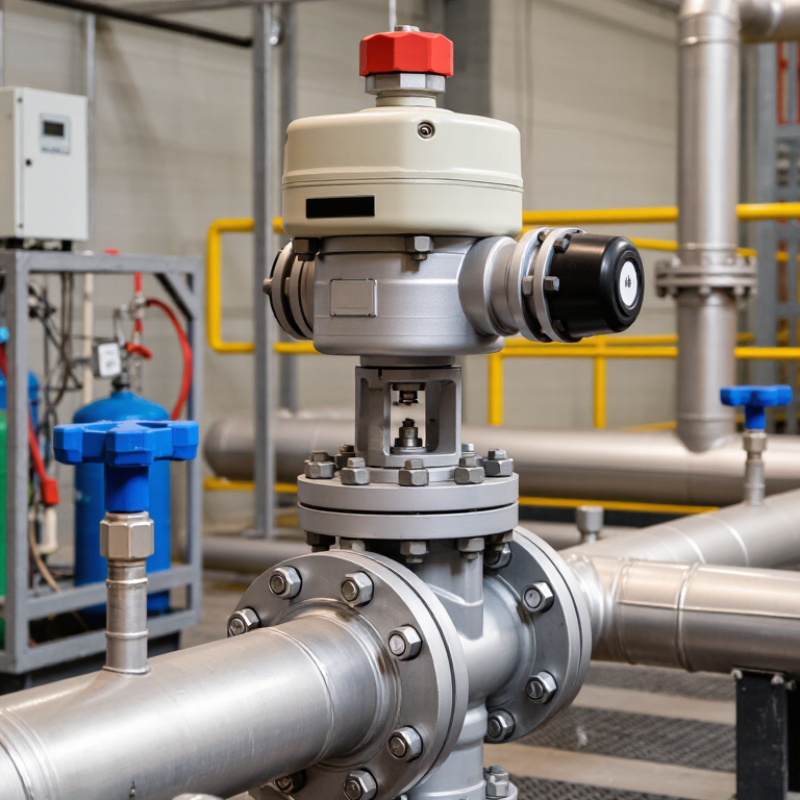
Choosing a pilot operated diaphragm valve starts with a precise description of the fluid. Water, compressed air, chemicals, and slurry behave differently inside the same valve body. Record the fluid’s concentration, viscosity, particle size, and compatibility with diaphragm materials. A clear liquid at 20°C may become aggressive or viscous at another temperature. Do not rely on the fluid name alone.
Temperature data must include normal, minimum, and maximum conditions. Heat can soften elastomers, while cold may reduce flexibility and slow diaphragm movement. Pressure also needs careful definition. Measure inlet pressure, outlet pressure, and the smallest pressure differential available during operation. Pilot operated valves often need sufficient differential pressure to open correctly. I once selected a valve using static pressure only. That shortcut was wrong. The operating pressure changed sharply during pump startup.
Flow requirements should include normal flow, peak flow, and the expected control range. A valve sized only for peak flow may operate poorly at low demand. Calculate the required flow coefficient using verified data, not a rough pipe-size comparison. Check whether the flow contains bubbles, suspended solids, or pulsation. These details can affect response and service life. Keep installation orientation and pilot tubing length in the review. Small restrictions can delay actuation. Test the proposed valve under realistic conditions when possible. Real systems are rarely as stable as the spreadsheet.
Define the fluid, temperature, pressure, and flow requirements before selecting the valve design and diaphragm material.
The chart shows representative operating temperatures commonly used for preliminary screening of pilot operated diaphragm valves. Actual selection must also verify fluid compatibility, maximum and minimum pressure, required flow rate, pressure drop, diaphragm material, body material, and the valve's allowable temperature and pressure limits.
Selecting the right materials is central to reliable pilot operated diaphragm valve performance. The diaphragm should match the fluid’s chemistry, temperature, pressure, and cleanliness requirements. Elastomers may resist water but swell in oils, solvents, or aggressive process fluids. A small incompatibility can become a serious leak.
Check the body material against corrosion risks and operating temperature. Plastic bodies suit many clean, mildly corrosive services, while metal bodies offer greater mechanical strength. However, stronger does not always mean better. Metal surfaces can contaminate sensitive fluids if the process requires high purity. Review manufacturer test data, not only a general chemical-resistance chart.
Connection materials also deserve careful attention. Threaded, flanged, or solvent-welded ends must match the piping system and installation environment. Mixing incompatible materials may create stress, cracking, or galvanic corrosion. Inspect seals, gaskets, and fasteners as part of the same decision. They are often overlooked.
In field evaluations, temperature cycling reveals weaknesses that room-temperature tests miss. Leave a safety margin. Real systems rarely operate under perfect conditions. Pressure spikes, cleaning chemicals, and repeated cycling can shorten diaphragm life. If the fluid composition is uncertain, request a compatibility review and test a sample assembly before full installation. This extra step may feel excessive, but replacing a failed valve inside a crowded process line is rarely simple.
7 Tips for Choosing a Pilot Operated Diaphragm Valve
Evaluate Pilot Control Options and Response Characteristics
A pilot-operated diaphragm valve can react smoothly, but its pilot circuit determines actual behavior. Tip 1: Check whether the pilot uses pneumatic, hydraulic, or electronic control. Pneumatic pilots suit simple, remote systems. Electronic control offers finer adjustment, but requires dependable power and protection. Tip 2: Compare response time with process demand. A valve that opens too quickly may create pressure shock. One that reacts slowly can disrupt filling or dosing cycles.
Tip 3: Review the pilot’s minimum pressure requirement. The main valve may not operate correctly when supply pressure drops. Tip 4: Examine opening and closing characteristics, not only the stated flow capacity. Ask for test data at different pressures and flow rates. Field experience matters here. Small tubing restrictions can noticeably delay movement. I have seen this overlooked during commissioning. Tip 5: Consider manual override options for testing and maintenance. A simple override can reveal whether the problem lies in the pilot circuit or the diaphragm assembly.
Tip 6: Check sensitivity to dirt, moisture, and temperature changes. Clean pilot air may be essential in dusty installations. Tip 7: Confirm fail-open, fail-closed, or last-position behavior during signal loss. This decision should match the process risk, not personal preference. Response testing should include cold starts, low-pressure conditions, and repeated cycles. One test is not enough. A practical review of installation, control signals, and maintenance access often exposes weaknesses before they become costly interruptions.
| Tip | Selection Dimension | Pilot Control Option | Typical Response Characteristic | Best-Fit Application | Important Check |
|---|---|---|---|---|---|
| 1 | Match the pilot type to the control signal |
On/off solenoid pilot: discrete electrical signal. Pneumatic pilot: applied air or gas pressure. Proportional electro-pneumatic pilot: variable electrical input converted to pneumatic pressure. |
On/off pilots provide two stable states and are generally simpler. Proportional pilots can provide intermediate diaphragm positions, but their response depends on signal conditioning, air quality, and pressure stability. | Solenoid pilots suit PLC-controlled isolation. Pneumatic pilots suit hazardous or electrically restricted areas. Proportional pilots suit throttling and flow-regulation duties. | Confirm voltage or signal compatibility, pilot pressure requirements, enclosure rating, and whether the valve is intended for isolation or modulation. |
| 2 | Verify the pressure differential |
Pressure-assisted pilot: uses upstream pressure to load or unload the diaphragm. Externally supplied pilot: uses an independent control-pressure source. |
A pressure-assisted design may not operate reliably when the available differential pressure is below its minimum operating requirement. An externally supplied pilot can maintain actuation when process pressure is low or variable. | Pressure-assisted operation is suitable for systems with a stable pressure differential. External pilot supply is preferable for low-pressure, zero-pressure, or fluctuating-pressure service. | Check the published minimum and maximum differential pressure, upstream pressure, downstream pressure, and pilot supply pressure at start-up and normal operation. |
| 3 | Evaluate opening and closing speed |
High-flow pilot: larger pilot passage for faster diaphragm movement. Restrictive pilot or needle-adjusted exhaust: controlled movement and reduced pressure shock. |
Small valves may respond in fractions of a second, while larger valves commonly require longer because the diaphragm chamber must fill or vent. Restrictors slow the stroke and can reduce water hammer. | Fast response suits emergency isolation and batch sequencing. Controlled response suits liquid systems where rapid closure could create surges. | Review measured or tested opening and closing time under actual pressure, pipe volume, pilot tubing length, and temperature conditions. |
| 4 | Define the required fail position |
Normally closed: closes when the pilot signal or control pressure is removed. Normally open: opens when the pilot signal or control pressure is removed. Double-acting control: requires pressure for both directions. |
Spring-return designs provide a defined fail state. Double-acting designs may require a separate air reservoir, exhaust arrangement, or backup control strategy to achieve the desired emergency position. | Normally closed is often selected for stopping flow during loss of power or pilot pressure. Normally open may be selected where continued cooling, flushing, or ventilation is safer. | Determine the safe state from the process hazard analysis rather than from the valve’s default configuration alone. |
| 5 | Check response stability and cycling behavior |
Direct solenoid pilot: straightforward two-position control. Pilot with positioner or feedback: improves repeatability for modulating service. Adjustable pilot: permits tuning of opening or closing behavior. |
On/off valves should reach a repeatable end position without chatter. Modulating operation requires stable control pressure and suitable feedback; otherwise, oscillation or hunting may occur. | High-cycle processes benefit from stable piloting, correct sizing, and clean instrument air. Simple isolation service may not require position feedback. | Test repeated cycles at minimum, normal, and maximum operating pressure. Look for chatter, incomplete closure, delayed opening, and excessive diaphragm movement. |
| 6 | Account for fluid compatibility and pilot cleanliness |
Process-fluid pilot: uses the handled medium for pilot operation. Clean external pilot: separates the control medium from the process fluid. Filtered instrument-air pilot: uses regulated, filtered, and appropriately dried air. |
Contamination, sticky deposits, moisture, or particles can restrict small pilot passages and increase response time. External clean control media can improve repeatability in dirty or corrosive service. | External piloting is useful for abrasive slurries, chemically aggressive fluids, fluids containing solids, and applications requiring hygienic or clean control air. | Check diaphragm and pilot-seal compatibility, filtration level, dew point, allowable particles, and whether trapped pilot fluid can freeze or solidify. |
| 7 | Compare flow capacity with control accuracy |
Full-port diaphragm valve: low restriction when fully open. Reduced-port or throttling configuration: greater control sensitivity but higher pressure loss. Position-controlled pilot system: better for repeatable intermediate flow positions. |
A larger valve can reduce pressure loss but may require more diaphragm displacement and pilot volume, increasing stroke time. A smaller valve may respond faster but create a higher pressure drop. | Select for low-loss transfer when the valve is mainly open/closed. Use a properly characterized control arrangement when accurate intermediate flow is required. | Compare required flow, allowable pressure drop, valve coefficient, line size, cavitation risk, and the expected operating percentage of the valve. |
Engineering note: Response times and operating limits are application-dependent. Final selection should be based on the valve manufacturer’s tested data for the specified size, diaphragm material, pilot configuration, pressure differential, control-medium quality, temperature, and piping arrangement.
Choosing a pilot operated diaphragm valve starts with the actual flow requirement, not the pipe size alone. Check the required flow rate, fluid viscosity, temperature, and pressure drop. Then compare the valve’s flow coefficient with the system demand. An oversized valve may hunt or respond poorly. An undersized valve can create noise and excessive pressure loss. Leave a practical margin, but do not make it excessive.
Confirm the full pressure range. Review normal pressure, maximum working pressure, pressure surges, and the pilot circuit pressure. Many pilot operated valves need a minimum differential pressure to open and regulate correctly. This point is easy to miss. Ask whether the valve must operate during low-flow periods. Also check diaphragm compatibility with the fluid, especially when the medium contains fine particles or suspended solids.
Installation conditions often decide long-term reliability. Provide enough room to remove the cover and inspect the diaphragm. Follow the specified flow direction and keep pilot tubing clean, supported, and free from sharp bends. Filters may be necessary in dirty service. Protect the valve from freezing, severe vibration, and nearby heat sources. I have seen a correctly sized valve perform poorly because its control line was installed too close to a vibrating pump. That mistake was preventable. Before commissioning, check for leaks, confirm pilot response, and record inlet and outlet pressures under real operating conditions.
Choosing a pilot operated diaphragm valve requires more than comparing purchase prices. Maintenance, service life, certification, and operating costs often determine the real value.
Tip 1: Check access to the pilot assembly. A valve that opens easily for inspection can reduce shutdown time.
Tip 2: Match diaphragm materials with the fluid, temperature, and pressure. Small compatibility errors can cause early cracking or swelling.
Tip 3: Review the maintenance schedule. Some designs tolerate dirty fluids better, while others need cleaner control air and frequent filter checks.
Maintenance details matter. A blocked pilot line may leave the valve stuck, even when the main diaphragm remains healthy. Keep replacement diaphragms, springs, and seals available. That sounds obvious, but many sites overlook storage conditions and lose parts before installation.
Tip 4: Estimate service life from cycle frequency, not calendar years. A valve cycling every minute experiences very different wear from one used weekly.
Tip 5: Ask for documented test data, material records, and traceable quality checks. Certification should match the installation, fluid, and destination requirements.
Tip 6: Compare the full cost of ownership. Include energy use, spare parts, labor, inspection time, and production losses.
Tip 7: Check supplier technical support before buying. Clear manuals and responsive troubleshooting can prevent expensive guesses.
A lower initial price can become costly after repeated diaphragm replacement. Conversely, the most expensive option may include unnecessary specifications. Recheck the assumptions. The best choice depends on actual duty conditions, not a specification sheet alone.