How to Choose the Best Pilot Diaphragm Valve for Your Needs?
Choosing the right Pilot Diaphragm Valve is critical for efficient system performance. According to a recent report by the Global Valve Market Research, the demand for pilot diaphragm valves has increased by 15% over the last two years. This rise stems from their effectiveness in regulating flow in various industries, such as oil and gas, water treatment, and chemical processing.
Expert John Smith, a recognized authority in valve technology, emphasizes the importance of selection: "The right pilot diaphragm valve can enhance operational reliability significantly." His insights reveal how crucial it is to consider factors like material compatibility and pressure ratings when making a choice.
Many users overlook these details, leading to inefficiencies. A poorly selected pilot diaphragm valve can result in leaks or system failures. As such, industry professionals must evaluate their specific needs, ensuring they invest in valves that match their operational requirements. Balancing cost with quality is vital in making an informed decision.
Understanding Pilot Diaphragm Valve Basics
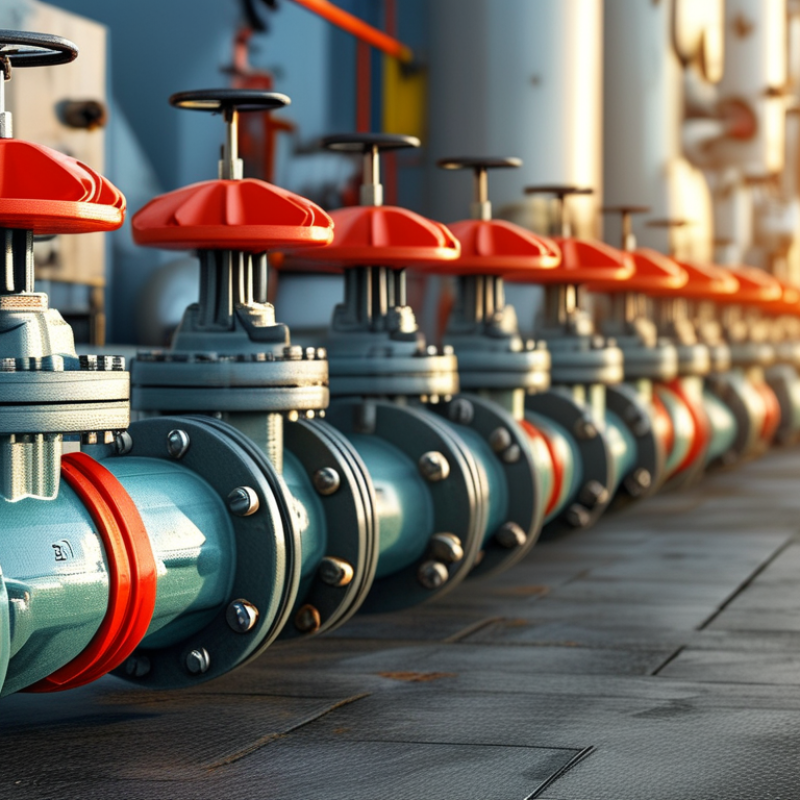
Pilot diaphragm valves play a crucial role in fluid control systems. Understanding how they work can help you make informed decisions. These valves utilize a diaphragm to regulate flow. When pressure is applied to the diaphragm, it moves, allowing or restricting fluid passage. This simple mechanism is both effective and reliable, making it popular in various applications.
When choosing a pilot diaphragm valve, consider operating conditions. Factors like pressure, temperature, and fluid type impact performance. Some valves may struggle under extreme conditions. Evaluating your specific requirements is essential. Sometimes, the best option lies in testing different models. Not every choice will be perfect; adjustments may be necessary.
Installation and maintenance are equally important. A poorly installed valve can lead to leaks and performance issues. Regular checks ensure optimal performance and longevity. Ignoring maintenance can result in costly repairs down the line. Reflect on your needs and keep an eye on the bigger picture. The right pilot diaphragm valve can make a significant difference in operational efficiency.
Key Factors to Consider When Selecting a Pilot Diaphragm Valve
Choosing the right pilot diaphragm valve is crucial for any industrial application. When selecting a valve, consider the fluid type that will flow through it. Different fluids can affect the material of the diaphragm. For instance, corrosive liquids may require specialized materials, while water applications might not have the same level of demand. Understanding the fluid characteristics ensures long-term reliability.
Another important factor is the pressure range. Pilot diaphragm valves come in various pressure ratings. Ensure the chosen valve can handle the system's maximum operating pressure. A mismatch can lead to failures or leaks. Additionally, assess the temperature range. High temperatures may necessitate materials that can withstand thermal expansion and potential degradation.
Installation space is often overlooked. Ensure that there is adequate room for maintenance and repair. Valves need to be accessible for adjustments over time. When faced with tight spaces, consider the valve’s design and how it fits into your setup. Lastly, think about the control features you need. Some applications might require more advanced control options, while others can function with basic controls. The right combination of these factors will help you make a well-informed decision.
Types of Pilot Diaphragm Valves and Their Applications
Pilot diaphragm valves are essential components in various industries, providing reliable flow control. Selecting the appropriate type requires an understanding of their classifications and applications.
There are mainly three types of pilot diaphragm valves: direct acting, pilot operated, and pressure reducing. Direct acting valves control flow based on input signal pressure, making them suitable for small systems. Pilot operated valves, on the other hand, utilize an external pilot signal for flow adjustment. These are typically used in high-pressure applications. Pressure reducing valves provide stable downstream pressure, essential in hydraulic systems.
Understanding the application field helps in making informed decisions. These valves find extensive usage in water treatment, chemical processing, and HVAC systems. For instance, in water treatment, these valves ensure precise flow regulation, contributing to better resource management. According to a recent industry report, diaphragm valves hold nearly 25% market share in the global flow control market.
Choosing the right valve can be challenging. Consider the medium type, temperature, and pressure range. Additionally, always check the manufacturer's specifications for installation guidelines. Proper maintenance ensures the longevity of the valves and prevents unexpected failures. Regular inspections can identify wear before it leads to significant issues, emphasizing the importance of proactive measures in valve management.
How to Choose the Best Pilot Diaphragm Valve for Your Needs? - Types of Pilot Diaphragm Valves and Their Applications
| Type of Valve |
Operating Principle |
Applications |
Advantages |
| Direct Acting Pilot Valve |
Operates based on pressure difference; directly controls flow. |
Water treatment, HVAC systems, and chemical processing. |
Simple design, reliable performance, and low cost. |
| Remote Control Pilot Valve |
Uses pneumatic or electrical signals to control valve operation. |
Oil and gas, power generation, and automation. |
Remote operation, precise control, and adaptability. |
| Proportional Pilot Valve |
Regulates flow based on a control signal for variable flow rates. |
Robotics, process control, and fluid delivery systems. |
High precision, responsive to changes, and energy-efficient. |
| Lasting Durability Pilot Valve |
Designed for long-term use under extreme conditions. |
Mining, heavy industry, and harsh environments. |
Robust construction, low maintenance, and longevity. |
Material Selection for Durability and Compatibility
Choosing the right material for your pilot diaphragm valve is critical for its longevity and performance. Various materials offer unique properties suitable for different applications. For instance, elastomers like EPDM and Viton provide excellent chemical resistance. However, their durability can vary based on temperature and pressure conditions. It's essential to match the material to the nature of the fluid being handled. Understanding these nuances is key to making an informed choice.
Metallic options, such as stainless steel, offer robust durability and resilience against various pressures. Nevertheless, they may not be compatible with all fluids. Corrosion can be a significant concern if the valve is exposed to aggressive chemicals. Regular monitoring and maintenance become essential in such scenarios. Evaluating your operating environment will guide your material choice effectively.
A mistake to avoid is assuming that a single material will suit all your valve needs. Different applications can expose the valve to unique stresses. Therefore, conducting a thorough analysis of your specific requirements is wise. Engaging with reliable suppliers can provide insights into material compatibility and performance metrics. This proactive approach aids in selecting a diaphragm valve that mitigates risks and enhances operational efficiency.
Maintenance and Performance Assessment of Pilot Diaphragm Valves
Pilot diaphragm valves are crucial components in many industrial settings. Proper maintenance ensures their performance remains optimal. Regular inspections can identify wear and tear before they become serious issues. Checking the diaphragm for cracks is essential. A compromised diaphragm can lead to leaks, affecting system efficiency.
For maintenance, clean the valve regularly. Accumulated dirt can obstruct operation. Lubrication is key but should be done carefully. Over-lubrication can cause problems as well. Make a checklist to track maintenance activities. This promotes accountability and helps prevent oversights.
Consider monitoring the valve's performance. Keep an eye on the pressure and flow rates. Any irregularities could signal a need for adjustment. Evaluate the surrounding system for potential influences on valve performance. Make notes on your observations. This data can help in troubleshooting and improving your process.