How to Choose the Right Pilot Operated Diaphragm Valve?
Choosing the right pilot-operated diaphragm valve is crucial for optimal performance in fluid control systems. According to a recent report by Research and Markets, the global diaphragm valve market is expected to reach $5 billion by 2026, driven by increasing demand in industries like water treatment and pharmaceuticals. These valves are known for their precision and reliability.
Industry expert Dr. Jane Thompson, a renowned authority in valve technology, emphasizes, "The efficiency of a fluid system depends significantly on the choice of diaphragm valves." Selecting the appropriate pilot-operated diaphragm valve can enhance system efficiency and extend the lifespan of the equipment. Specifications, like pressure rating and materials, should not be overlooked.
However, the overwhelming options can lead to challenges. Misunderstanding these technical aspects may result in costly mistakes. It’s essential to also consider the application's specific needs. An ideal valve must align with both the operating environment and the fluid type. Careful evaluation is necessary to avoid common pitfalls in valve selection.
Understanding the Basics of Pilot Operated Diaphragm Valves
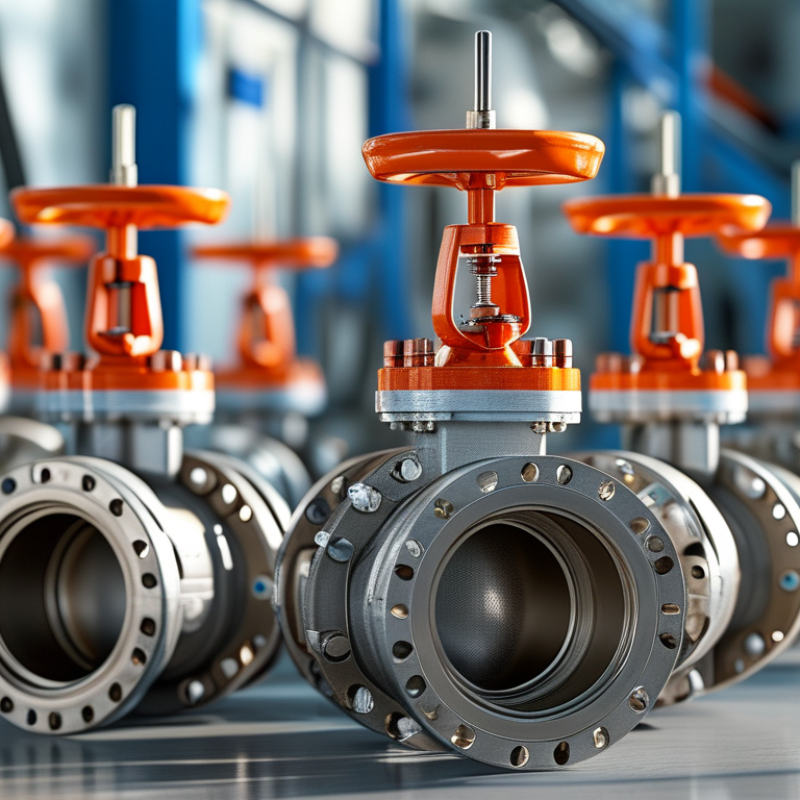
Pilot operated diaphragm valves are essential in various fluid control applications. Understanding how they function is key to making informed decisions. These valves use a pilot signal to control the valve's diaphragm. This design allows for precise regulation of flow rates, often in challenging environments. They are particularly useful in situations where tight shut-off is crucial.
Choosing the right valve involves considering multiple factors. Look at the fluid type, pressure range, and temperature. Each application has unique requirements. Assessing these can prevent costly mistakes.
Tips: Always evaluate application specifics. The surrounding environment might influence the valve's performance. Consult with experts if unsure. Regular maintenance is another critical aspect. An improperly maintained valve can lead to unexpected failures.
Don't overlook the importance of materials. Different fluids might require specific materials for the diaphragm to prevent degradation. Think about the long-term implications of your choice. Understanding the nuances can lead to more effective solutions in the long run.
Key Factors to Consider When Selecting a Pilot Operated Diaphragm Valve
Choosing the right pilot operated diaphragm valve can be challenging. Several key factors influence this decision. Application requirements should be the first consideration. Pressure, temperature, and flow rates define how the valve will perform. For instance, a recent industry report indicates that valves should operate efficiently at a maximum differential pressure of 50 psi for optimal performance.
Material selection is equally crucial. The diaphragm material must withstand the specific chemical environment. Common materials include EPDM, which provides excellent resistance to many chemicals. However, limitations exist. EPDM is less effective against certain solvents. According to a study published by the Fluid Control Institute, correct material choice can extend valve life by 30%, emphasizing the significance of this aspect.
Finally, installation and maintenance ease should not be overlooked. Complicated designs can complicate troubleshooting and increase downtime. Simplicity in design often leads to enhanced reliability. In a survey, over 40% of engineers reported that ease of maintenance significantly influenced their valve choice. Small design flaws can lead to major operational setbacks. Ultimately, a balance of these factors is vital for optimal valve selection, ensuring long-term reliability and efficiency.
Key Factors to Consider When Selecting a Pilot Operated Diaphragm Valve
Comparing Different Types of Pilot Operated Diaphragm Valves
Choosing the right pilot operated diaphragm valve is essential for optimal fluid control in various applications. There are several types available, each with unique features. The selection process can be daunting, given the wide range of options. Notably, the American National Standards Institute (ANSI) reports that improper valve selection can lead to operational inefficiencies, which may increase maintenance costs by up to 30%.
When comparing different types of pilot operated diaphragm valves, it's crucial to consider parameters like size, pressure ratings, and fluid compatibility. For example, valves designed for high-viscosity fluids may differ significantly from those intended for low-viscosity applications. The Hydraulic Institute provides insights indicating that a mismatch in valve design can lead to cavitation issues, adversely affecting performance. A study highlighted that 40% of users reported experiencing such challenges when the wrong type of diaphragm valve was installed.
In addition to performance characteristics, the installation environment plays a role in valve selection. Applications in corrosive environments require particular attention. Using non-compatible materials can lead to premature failure. The Fluid Controls Association emphasizes the importance of understanding environmental conditions. However, many professionals often overlook these factors, which can result in diminished valve lifespan. This reflects the need for ongoing education and awareness in valve selection processes.
How to Choose the Right Pilot Operated Diaphragm Valve? - Comparing Different Types of Pilot Operated Diaphragm Valves
| Valve Type |
Operating Pressure Range |
Temperature Range |
Material |
Applications |
| Diaphragm Valve A |
0 to 10 bar |
-10°C to 80°C |
EPDM |
Water treatment, Chemical process |
| Diaphragm Valve B |
0 to 16 bar |
-20°C to 90°C |
NBR |
Food processing, Pharmaceutical |
| Diaphragm Valve C |
0 to 25 bar |
0°C to 100°C |
PTFE |
High purity applications, Corrosive fluids |
| Diaphragm Valve D |
0 to 5 bar |
-40°C to 60°C |
Silicone |
Biotechnology, Medical |
Assessing Compatibility with Your System's Specifications
When selecting a pilot operated diaphragm valve, it is crucial to assess its compatibility with your system’s specifications. This involves examining the pressure, temperature, and flow requirements of your system. For instance, according to a study by the Fluid Control Association, about 40% of system failures arise from improper valve selection. These statistics underscore the necessity for careful evaluation.
The material of the diaphragm valve also plays a pivotal role. Some applications may require materials that withstand corrosive substances. A report from the Valve Manufacturers Association highlights that using incompatible materials can lead to premature failure in over 30% of installations. Evaluating compatibility not only saves costs in maintenance but also enhances system longevity and reliability.
Another aspect to consider is the valve's size. A miscalculated size can disrupt system efficiency. Research indicates that up to 25% of systems operate with incorrectly sized valves, affecting overall flow dynamics. It's essential to conduct a thorough assessment of your system’s specifications and requirements before making any decisions. Keeping these considerations in mind can significantly improve operational efficiency and reliability.
Best Practices for Installation and Maintenance of Diaphragm Valves
Proper installation and maintenance of diaphragm valves are crucial for optimal performance. Industry reports show that improper handling can reduce valve lifespan by up to 30%. Ensuring the right torque during installation is essential. Following the manufacturer's guidelines can prevent leaks and failures. Regular inspection and testing of diaphragm valves help in early detection of wear and tear.
Tips: Always check the diaphragm material compatibility with your fluid. This can avoid damage and ensure reliability.
Maintenance practices should include periodic cleaning and functional testing. Dirt and debris can lead to valve malfunction. Even a small ingress can affect functionality. Use appropriate tools and protective gear during maintenance tasks. Training staff on proper maintenance techniques is vital. Many failures occur due to human error, which can be mitigated with proper education.
Tips: Document all maintenance activities. This can provide insight into trends and potential future issues. Aim for a proactive rather than reactive maintenance approach to enhance valve efficiency.