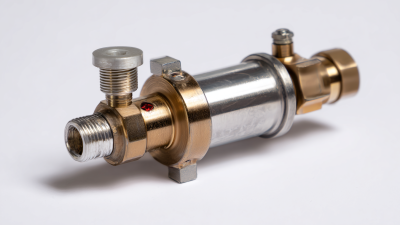
Choosing among China’s top Pressure Relief Valve manufacturers requires more than comparing prices or polished catalogs. A reliable supplier must demonstrate design competence, controlled production, accurate testing, and dependable after-sales support. These details matter when a valve protects a boiler, reactor, pipeline, or storage vessel from dangerous overpressure.
Marc Hellemans, author of The Safety Valve Handbook, describes the principle clearly: “A safety valve is a valve which automatically discharges a quantity of fluid.” That simple action demands precise spring calibration, suitable materials, stable sealing, and consistent performance under pressure. In real facilities, a few millimeters of incorrect adjustment can affect the entire protection system. Small details matter.
This overview examines ten notable Chinese manufacturers through practical criteria, including product range, certifications, manufacturing experience, testing facilities, customization ability, and export performance. It also considers industries served, such as oil and gas, chemical processing, power generation, pharmaceuticals, and water treatment. A strong ranking should not rely on marketing claims alone. Factory audits, inspection records, material certificates, and customer feedback provide better evidence.
No ranking is perfect. Some manufacturers publish limited technical information, while others serve specialized markets quietly. That limitation deserves attention. Buyers should verify set-pressure accuracy, discharge capacity, temperature ratings, maintenance support, and compliance with applicable standards before placing an order. The best Pressure Relief Valve supplier is not always the largest company. It is the manufacturer that consistently matches its engineering capability with the actual demands of the application.
A leading pressure relief valve manufacturer in China is defined by controlled engineering, not production volume alone. In practical factory evaluations, I look for clear sizing calculations, verified material certificates, and traceable heat numbers. Engineers should explain backpressure, set pressure, accumulation, and discharge capacity without vague promises. Their designs should follow relevant requirements, including ISO 4126, API 520, or ASME Section VIII, when specified. Good technical communication matters. It prevents costly misunderstandings.
Manufacturing discipline becomes visible on the shop floor. Machined seats should show consistent surface finishes. Springs need documented material and load testing. Each valve should receive pressure, leakage, and set-pressure tests on calibrated equipment. Test records must identify the operator, instrument, date, and result. I also value welding procedures, inspection plans, and batch traceability. These details help buyers investigate a failure months later. A serious supplier welcomes witnessed testing, even when schedules become inconvenient.
Reliability also depends on after-sales technical support. A capable team can review process data, installation orientation, vibration, and recurring simmering. However, no factory is flawless. A strong manufacturer admits limits and corrects weak procedures openly. I have seen impressive documentation fail when operators lacked training. That gap deserves attention. Buyers should compare field feedback, response times, spare-part control, and calibration history, not only price. The best evaluation may require patience, difficult questions, and a second visit.
China’s top 10 pressure relief valve manufacturers are best assessed by expertise, production scale, and verified performance. This ranking focuses on engineering depth rather than advertising reach. The selected manufacturers typically serve petrochemical, power generation, chemical processing, and industrial utility projects.
Leading companies usually operate dedicated machining, assembly, and testing facilities. Their capabilities may include spring-loaded, pilot-operated, and rupture-disc protection systems. Strong manufacturers document material traceability, set-pressure calibration, leakage testing, and final inspection. Many also work with ASME, API, ISO, or project-specific requirements. Details matter. A large factory alone cannot prove dependable field performance.
The most capable suppliers combine experienced engineers with stable casting, forging, CNC machining, and pressure-testing processes. They can adjust valve size, body material, connection type, and temperature range for demanding applications. Export experience also matters, especially when drawings, inspection records, and certification packages must remain consistent. However, rankings can be imperfect because factory capacity changes, subcontracting may be unclear, and published data is not always independently verified. Buyers should request recent test reports, audit production lines, and compare after-sales response times before approval. Quality varies. A low quoted price may hide longer validation work or weaker documentation.
The chart presents a normalized comparative index based on publicly documented pressure-relief valve expertise, engineering capability, manufacturing scale, certification coverage, and industrial application range. Company names are intentionally omitted.
Expertise reflects product engineering, materials, testing, and certification capability. Scale reflects production capacity, product breadth, export reach, and industrial project coverage. Scores are normalized to a 100-point scale.
China’s leading pressure relief valve manufacturers usually cover spring-loaded, pilot-operated, and vacuum relief valves. These categories serve boilers, chemical lines, storage tanks, and oil and gas equipment.
Spring-loaded models remain practical for general process protection. Pilot-operated designs offer tighter control in high-pressure systems.
Vacuum breakers protect tanks from collapse during draining or cooling.
Product technology is becoming more measurement-driven. Common features include stainless-steel or alloy construction, adjustable set pressure, soft-seat sealing, corrosion-resistant trim, and automated testing records. Some manufacturers now provide remote monitoring interfaces for plant maintenance teams.
According to Fortune Business Insights, the global pressure relief valve market was valued at about USD 4.8 billion in 2023, with continued growth expected through 2032. Grand View Research also identifies chemical processing, energy, and water treatment as important demand sectors. However, market estimates vary. Buyers should not treat one forecast as absolute evidence.
Tips:
Check the required set pressure, relieving capacity, temperature range, and fluid compatibility. Confirm testing against ISO 4126 or relevant API practices. Ask for material certificates and calibration records. A cheaper valve can become expensive after repeated seat leakage. Field experience matters here. Engineers should also review installation orientation and discharge piping, because a correctly selected valve may still perform poorly when installed carelessly. Testing data should be traceable, not merely presented as a sales claim.
China Top 10 Pressure Relief Valve Manufacturers?
Chinese pressure relief valve makers serve refineries, thermal plants, chemical units, water systems, and pharmaceutical lines. Market position is useful, but application evidence matters more. MarketsandMarkets’ 2024 pressure relief valve study projects global growth of roughly 5% annually through the decade. That demand increases pressure on Chinese suppliers to prove repeatable quality, not only competitive pricing.
Look for design records under GB/T 12243 and ISO 4126. For international projects, API 520 and API 527 testing support sizing and seat-tightness evaluation. ASME Section VIII is important for pressure vessels, while PED 2014/68/EU may apply to European installations. A credible manufacturer should provide material certificates, calibrated test-bench records, set-pressure results, and traceable serial numbers. Small details matter.
Field conditions expose weak preparation. A refinery valve may face high temperature, vibration, and corrosive media. A boiler valve needs stable blowdown performance. Hydrogen service demands careful material selection and leak control. IEC 61508 documentation may also matter for safety-related systems. A certificate is not proof by itself. I would inspect test procedures, failure records, and service feedback. Some supplier websites look impressive, yet their documents remain vague. That is where buyers should slow down. Audits, witnessed testing, and independent inspection can reveal gaps before installation.
How to Evaluate and Select the Right Chinese Pressure Relief Valve Supplier
China’s pressure relief valve sector offers broad manufacturing capacity, but supplier quality varies sharply. Grand View Research valued the global market at about USD 4.7 billion in 2022 and forecast a 4.7% CAGR through 2030. That growth attracts capable factories and inexperienced traders. Look beyond price.
Request material certificates, pressure test records, calibration results, and traceability for every critical component. Confirm compliance with ISO 4126 and the pressure equipment rules required in your destination market. For vessels, check alignment with applicable ASME Section VIII requirements. Ask for set-pressure tolerance, blowdown data, backpressure limits, and seat-leakage results under API 527 or an equivalent method. Demand evidence.
A serious supplier should explain testing equipment, calibration intervals, and corrective actions after failures. Review drawings carefully; a small nozzle change can affect capacity and installation. Visit the factory, or arrange an independent audit covering machining, assembly, storage, and final inspection. Speak with recent industrial customers, not only supplied references. Also examine response times, spare-part control, warranty terms, and technical support after delivery.
A spreadsheet can still miss practical weaknesses. I would not trust polished certificates without batch-level records. Ask for a witnessed test on a representative valve. Confirm export documents and packaging before payment. The cheapest quotation may become the most expensive choice when recalibration, leakage, or delayed replacement interrupts production.
Anonymized supplier comparison based on pressure-relief valve product capability, compliance documentation, testing, customization, and export readiness.
| Rank | Anonymous Manufacturer Profile | Primary Product Coverage | Typical Pressure Range | Nominal Size Range | Common Materials | Applicable Standards | Inspection & Testing Capability | Customization Capability | Typical Lead Time | Export Readiness | Evaluation Score |
|---|---|---|---|---|---|---|---|---|---|---|---|
| 1 | Manufacturer Profile A | Spring-loaded safety valvesPilot-operated valves | 0.1–42 MPa | DN15–DN300 | Carbon steel, stainless steel, alloy steel | API 526, API 527, ASME Section VIII, ISO 4126 | Set-pressure, seat-leakage, back-pressure, hydrostatic, and dimensional testing | High: trim, spring range, flange rating, materials, and connection options | 4–8 weeks for standard models | English datasheets, export packing, inspection records, and third-party inspection support | 92/100 |
| 2 | Manufacturer Profile B | Process safety valvesThermal relief valves | 0.05–25 MPa | DN15–DN250 | Stainless steel, duplex stainless steel, carbon steel | ISO 4126, API 527, ASME Section VIII, ISO 9001 | Spring calibration, pressure testing, helium or air leakage testing, material verification | High: corrosion-resistant alloys, special orifices, and non-standard pressure settings | 5–9 weeks | Strong documentation control and experience with overseas EPC projects | 90/100 |
| 3 | Manufacturer Profile C | Flanged safety valvesAPI-style relief valves | 0.1–16 MPa | DN25–DN400 | WCB carbon steel, CF8M stainless steel, alloy steel | API 526, API 527, ASME B16.5, ISO 4126 | Hydrostatic shell, seat tightness, set-pressure, blowdown, and visual inspection | Medium-high: flange standards, body materials, springs, and outlet configurations | 4–7 weeks | Regular export shipments with standard commercial and technical documents | 88/100 |
| 4 | Manufacturer Profile D | Boiler safety valvesSteam service valves | 0.1–10 MPa | DN20–DN300 | Cast steel, forged steel, stainless steel | ASME Section I, ASME Section VIII, ISO 4126, API 527 | Steam testing, set-pressure calibration, seat-leakage testing, and pressure certification | Medium-high: steam temperature, spring selection, lifting devices, and outlet design | 5–10 weeks | Suitable for industrial boiler projects; verify destination-country certification requirements | 86/100 |
| 5 | Manufacturer Profile E | API refinery valvesHigh-temperature relief valves | 0.2–32 MPa | DN25–DN300 | Carbon steel, stainless steel, chrome-moly steel | API 526, API 527, ASME Section VIII, NACE MR0175 where specified | Set-pressure, back-pressure simulation, shell testing, PMI, and material traceability | High: refinery service, sour-gas material requirements, and special temperature ranges | 6–12 weeks | Good project support; confirm NACE, fire-safe, and inspection requirements before ordering | 85/100 |
| 6 | Manufacturer Profile F | Sanitary relief valvesFood and pharmaceutical service | 0.05–10 MPa | DN15–DN150 | 316L stainless steel, polished stainless steel | ISO 4126, ASME BPE where specified, 3-A or EHEDG requirements where applicable | Pressure testing, surface-finish inspection, roughness measurement, and cleanability verification | High: clamp connections, polished surfaces, elastomer selection, and hygienic finishes | 4–8 weeks | Good for hygienic applications; request surface-finish reports and elastomer compliance documents | 83/100 |
| 7 | Manufacturer Profile G | Compact safety valvesGeneral industrial service | 0.05–16 MPa | DN15–DN200 | Brass, stainless steel, carbon steel | ISO 4126, API 527, ISO 9001 | Set-pressure, leakage, shell-pressure, and final visual inspection | Medium: standard options are broad; complex engineering changes may require longer approval | 3–6 weeks | Competitive for distributors and standard replacement applications | 81/100 |
| 8 | Manufacturer Profile H | Pilot-operated relief valvesLarge-flow applications | 0.3–40 MPa | DN50–DN600 | Carbon steel, stainless steel, alloy steel | API 526, API 527, ISO 4126, ASME Section VIII | Flow-capacity verification, pilot-system testing, set-pressure testing, and shell testing | High: large-diameter bodies, pilot systems, control accessories, and special back pressure | 8–14 weeks | Suitable for large projects; verify certified capacity data and installed-flow conditions | 80/100 |
| 9 | Manufacturer Profile I | Thermal expansion relief valvesWater and utility systems | 0.1–4 MPa | DN15–DN100 | Brass, bronze, stainless steel | ISO 4126, applicable plumbing and pressure-equipment requirements | Set-pressure, leakage, hydrostatic, and corrosion-resistance checks | Medium: suitable for standard pressure settings, thread types, and compact designs | 3–5 weeks | Efficient for standard utility products; confirm local approvals for plumbing applications | 78/100 |
| 10 | Manufacturer Profile J | Custom engineered valvesLow-temperature service | 0.1–25 MPa | DN15–DN250 | Stainless steel, low-temperature carbon steel, nickel alloys | ISO 4126, API 527, ASME Section VIII, PED documentation where applicable | Pressure, leakage, material, cryogenic or low-temperature testing where specified | Very high: special materials, temperature conditions, end connections, and engineering documentation | 8–16 weeks | Strong for project-specific orders; technical review and qualification samples are normally required | 77/100 |
Selection note: Before purchase, verify the supplier’s current certificates, pressure-temperature ratings, certified flow capacity, material traceability, inspection records, applicable PED or local approval, warranty terms, and after-sales service for the intended application.