Top 5 Pilot Operated Diaphragm Valve Benefits You Should Know?
In the world of industrial automation, the "Pilot Operated Diaphragm Valve" stands out for its unique benefits. According to Dr. Emily Carter, a renowned expert in valve technology, “These valves combine reliability with efficiency in ways traditional valves cannot.” This highlights the distinct advantages these valves offer.
Pilot Operated Diaphragm Valves efficiently control fluid flow. They are praised for their ability to manage high pressure scenarios with precision. Their design minimizes leaking risks, a significant concern in any operation. However, users must understand that maintenance can be overlooked, leading to performance issues.
Additionally, the smart control mechanisms in these valves ensure responsiveness. They allow for quick adjustments in flow and pressure. Yet, this requires diligent monitoring to avoid potential malfunctions. Understanding these nuances can enhance efficiency and improve overall system performance.

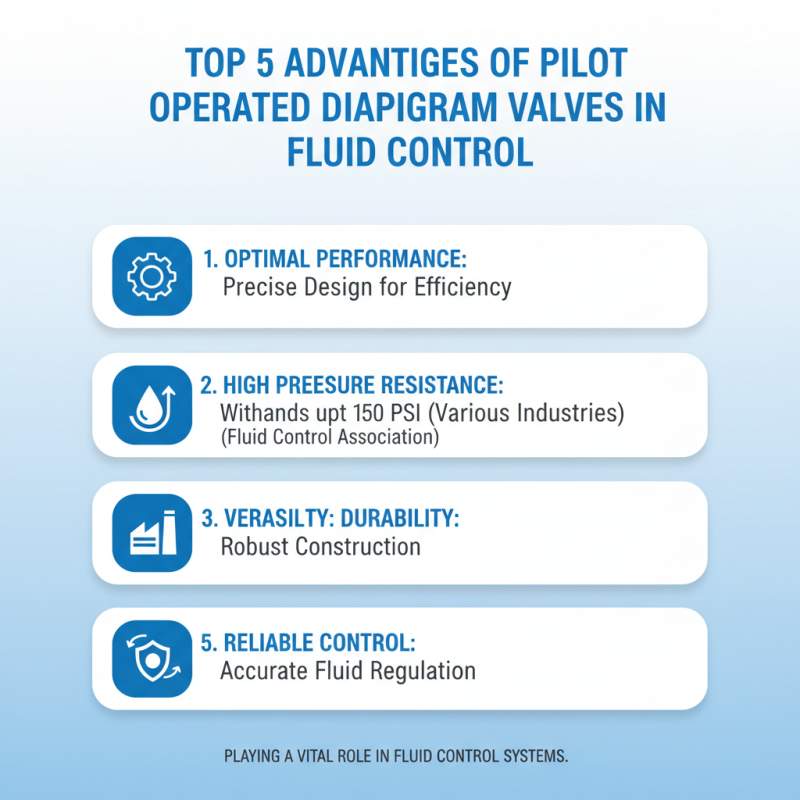
Top 5 Advantages of Pilot Operated Diaphragm Valves in Fluid Control
Pilot operated diaphragm valves play a vital role in fluid control systems. Their precise design ensures optimal performance in various industries. One major advantage is their ability to handle high pressures. According to the Fluid Control Association, these valves can withstand pressures up to 150 psi effectively.
Another benefit is their energy efficiency. These valves require minimal energy to operate. A recent industry report indicates that pilot operated diaphragm valves can reduce energy consumption by up to 30%. This is a significant saving for large-scale operations. Their simple design also means less maintenance, saving time and resources.
However, not all applications suit these valves. In some instances, they might struggle with highly viscous fluids. This factor can lead to inconsistent performance. It’s essential to evaluate specific needs before implementation. Understanding these nuances can make a big difference in achieving optimal fluid control.
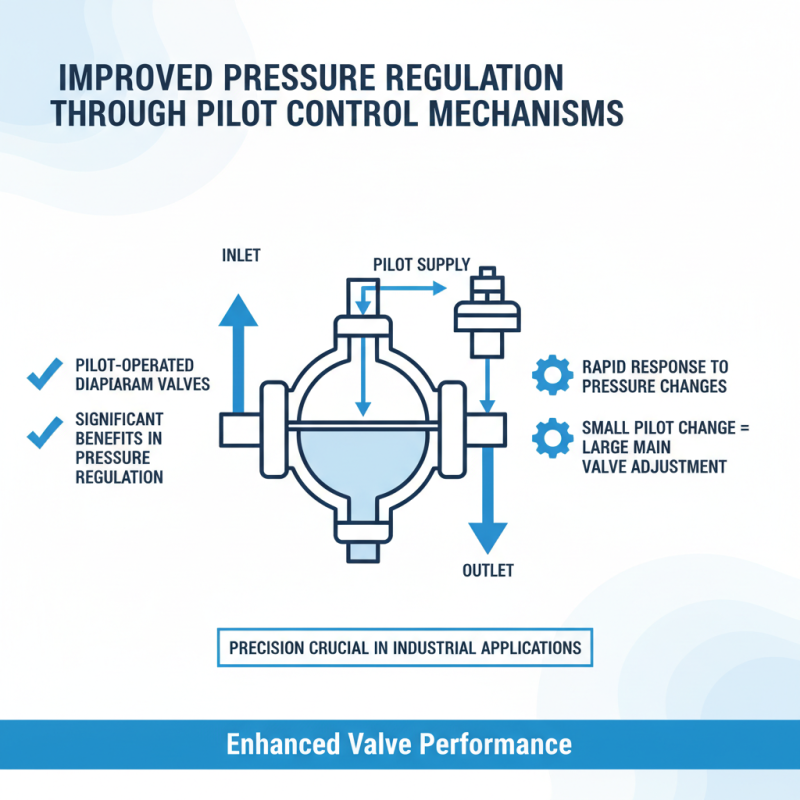
Improved Pressure Regulation Through Pilot Control Mechanisms
Pilot operated diaphragm valves offer significant benefits, particularly in pressure regulation. Improved pressure regulation is achieved through pilot control mechanisms. These mechanisms enhance valve performance by responding rapidly to changes in pressure. A small change in the pilot pressure can lead to a considerable adjustment in the main valve. This precision is crucial in many industrial applications.
The design of a pilot operated diaphragm valve allows it to maintain stable pressure levels even under varying flow conditions. This is particularly advantageous in systems where pressure fluctuations can lead to inefficiencies. There are, however, challenges in ensuring that the pilot controls function optimally. Sometimes, the pilot mechanism may become sluggish due to debris or wear. Regular maintenance is essential but can be overlooked.
Additionally, while these valves provide quick response times, their complexity can also pose issues. Sometimes, operators may miscalculate pressure settings, resulting in less effective regulation. It's important to continuously monitor the system to catch these problems early. Overall, the effectiveness of pilot controlled valves remains valuable in enhancing pressure management, despite the potential for operational hurdles.
Enhanced Safety Features: Reduced Leakage and Failure Rates
Pilot operated diaphragm valves are gaining attention for their enhanced safety features. One notable benefit is their ability to significantly reduce leakage rates. Traditional valves often have issues with seal integrity, leading to potential hazards. In contrast, diaphragm valves utilize a simple but effective sealing mechanism. The diaphragm creates a barrier that minimizes the risk of fluid leaks. This adds layers of safety in high-pressure applications.
Failure rates are another critical aspect. Many installations face unexpected shutdowns due to valve malfunctions. Pilot operated diaphragm valves are designed for reliability. They can handle fluctuations in pressure and flow more adeptly. This resilience can lead to fewer maintenance needs, though some users may overlook regular checks. Neglecting small inspections can lead to bigger failures. Striking a balance between operation and maintenance is essential. Ensuring that every component works correctly could extend the lifespan of these valves and enhance safety.
Top 5 Pilot Operated Diaphragm Valve Benefits You Should Know
| Benefit |
Description |
Impact |
| Enhanced Safety Features |
Designed to minimize the risk of leaks and hazardous failures. |
Increased worker safety and environmental protection. |
| Reduced Leakage |
Fewer joints and greater sealing capabilities lower leakage rates. |
Cost savings due to lower maintenance and spill cleanup. |
| Lower Failure Rates |
Robust designs and materials decrease the likelihood of valve failure. |
Improved system reliability and uptime. |
| Versatile Applications |
Suitable for various industries including water treatment, food and beverage, and chemical processing. |
Flexibility in usage across multiple sectors. |
| Easy Maintenance |
Designed for quick access and simple troubleshooting, reducing downtime. |
Lower operational costs and increased efficiency. |
Increased Energy Efficiency in Various Industrial Applications
Pilot operated diaphragm valves are not just reliable; they also enhance energy efficiency across various industrial applications. According to a report by the International Energy Agency, optimizing valve performance can reduce energy consumption by up to 15% in certain processes. This improvement stems from the valves' ability to minimize pressure drops and maintain consistent flow rates.
In industries like water treatment and oil refining, even small efficiency gains translate to significant cost savings. A study published in the Journal of Process Control found that energy-intensive processes could benefit from a 12% reduction in operational costs when using pilot operated diaphragm valves. The design allows for easier regulation of fluid dynamics, which ultimately leads to more efficient energy use.
However, not all applications see these benefits. Installation and maintenance can pose challenges. In some cases, poor installation results in leaks, negating efficiency gains. Regular monitoring is essential to maximize energy efficiencies while ensuring valve performance. Recognizing these pitfalls can lead to better management strategies in industrial settings.
Lower Maintenance Costs Compared to Traditional Valve Systems
Pilot operated diaphragm valves offer significant advantages over traditional valve systems, particularly in terms of maintenance costs. Reports indicate that maintenance expenses can drop by up to 30% when using these advanced valves. This reduction is largely due to their simpler design, which minimizes the number of moving parts. Fewer parts mean less wear and tear, resulting in lower repair costs.
Moreover, pilot operated diaphragm valves maintain a longer service life. This durability translates to an average lifespan of 10 to 15 years, depending on the application. In contrast, traditional valves typically require replacement every 5 to 7 years. Therefore, investing in these modern valves can yield cost savings over time, ultimately benefiting the overall operational budget.
Tips: Regular inspections can extend the life of pilot operated diaphragm valves. Keep an eye on conditions affecting valve performance. Additionally, ensure that installation is performed correctly to prevent leaks and other issues. Misalignment during installation might lead to increased wear, negating potential cost benefits.
Conclusion
Pilot Operated Diaphragm Valves offer significant advantages in fluid control, making them an essential choice for various industrial applications. One of the key benefits is their improved pressure regulation, thanks to pilot control mechanisms that ensure precise flow and pressure management. Additionally, these valves boast enhanced safety features that lead to reduced leakage and lower failure rates, promoting a more secure operating environment.
Moreover, Pilot Operated Diaphragm Valves are known for their increased energy efficiency, lowering operational costs across multiple sectors. They also come with reduced maintenance costs when compared to traditional valve systems, thus offering long-term economic benefits. Their versatility allows them to be utilized in a wide array of industries and environments, showcasing their adaptability and reliability in fluid management applications. Overall, the Pilot Operated Diaphragm Valve stands out for its performance and safety, establishing itself as a top choice in modern fluid control solutions.