Top Flame Arrester Solutions for Global Buyers to Consider?
In a world increasingly focused on safety and risk management, the importance of effective Flame Arrester solutions cannot be overstated. Industry reports indicate that the global market for flame arresters is projected to exceed $2 billion by 2025, underscoring their critical role in various sectors. Experts emphasize the need for reliable flame suppression systems to prevent catastrophic incidents. Dr. Michael Henderson, a leading authority in fire safety engineering, once remarked, "Investing in the right flame arresters is not just a precaution; it's a necessity for operational safety."
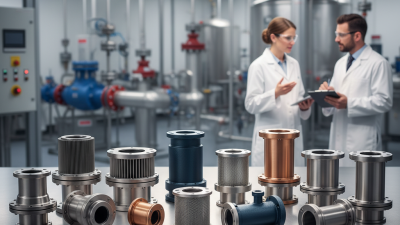
Flame arresters serve as vital components in industries such as petrochemicals, pharmaceuticals, and manufacturing. They help mitigate the risk of fire and explosions, thus protecting both people and assets. However, not all flame arresters are created equal, which complicates the selection process for global buyers. Many companies still underestimate factors such as pressure drop, design types, and maintenance needs when choosing a flame arrester. Inadequate attention to these details could lead to severe repercussions down the line.
Choosing the right flame arrester requires a careful evaluation of specific operational needs. Each application comes with its unique challenges and risks, making it crucial for buyers to seek expert advice. The flame arrester market may seem straightforward, but a lack of knowledge can lead to pitfalls that are all too common. Understanding the complexities will empower organizations to make effective choices that could save lives and enhance operational integrity.

Top Flame Arrester Solutions for Global Buyers to Consider
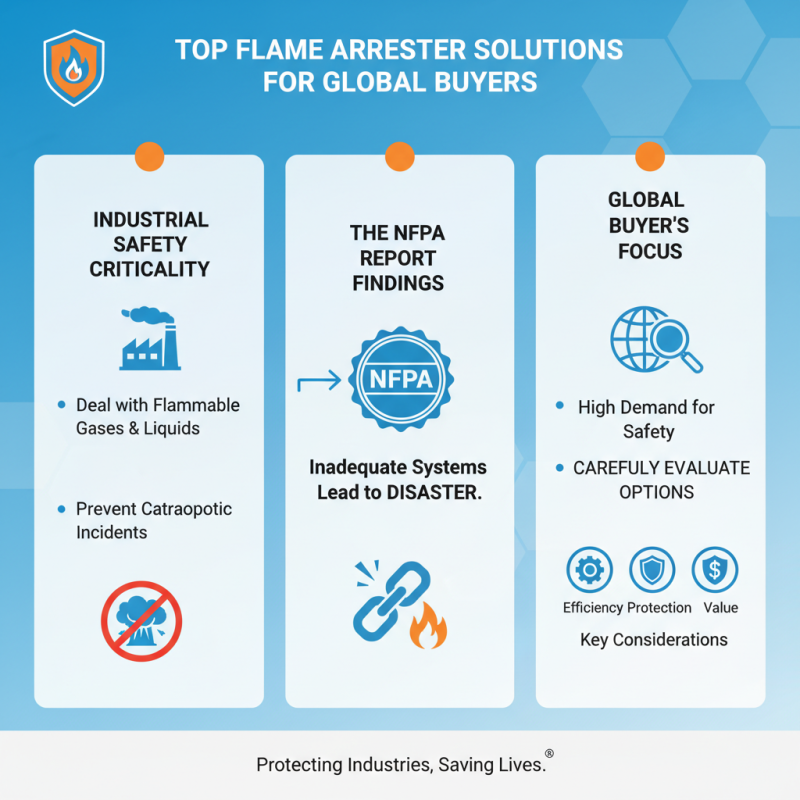
Flame arresters play a critical role in industrial safety, particularly in sectors dealing with flammable gases and liquids. A report from the National Fire Protection Association highlights that inadequate flame suppression systems can lead to catastrophic incidents. Considering the global demand for safety solutions, buyers must evaluate their flame arrester options carefully.
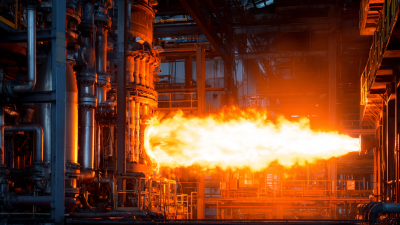
Research indicates that nearly 65% of industrial fires result from ignited vapors. The proper flame arresters can mitigate these risks. Industries such as oil and gas, chemical manufacturing, and food processing have seen significant benefits from investing in these solutions. Size, materials, and installation methods are all factors that require careful consideration.
Reliability is a crucial aspect to ponder. Not all flame arresters perform well under various pressure and temperature conditions. Some models may not adhere to strict international standards. Buyers should investigate the specifications rigorously. Companies that overlook these details often face expensive operational downtimes. An informed decision can help build a safer workplace and prevent loss.
Overview of Flame Arresters: Types and Applications in Industries
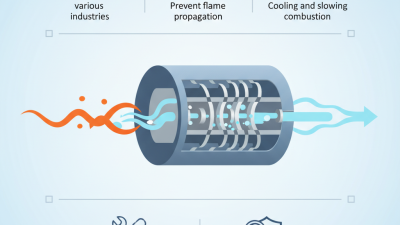
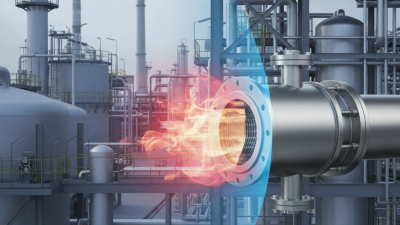
Flame arresters are critical safety devices used in various industries to prevent the spread of fire. These devices allow gases to escape while preventing flames from traveling backward. They are vital in environments where flammable gases or vapors are present. Different types of flame arresters are designed to suit specific applications, enhancing safety measures significantly.
There are two main types of flame arresters: passive and active.
Passive flame arresters, commonly installed in pipelines, use physical barriers to stop flames. Active flame arresters, however, can react to thermal changes and extinguish flames actively. Industries like oil and gas, chemical manufacturing, and wastewater treatment frequently employ these devices. Each application may require unique design considerations to optimize performance.
Choosing the right flame arrester is essential. Industries need to account for the specific characteristics of the gases involved. Some flame arresters may not perform well under certain conditions. Regular testing and maintenance are crucial for reliability. The challenge lies in ensuring that these devices meet both safety and operational standards in dynamic environments. Understanding their limitations is key to preventing potential hazards.
Industry Insights: Market Trends and Demand for Flame Arresters
In the rapidly evolving safety equipment sector, flame arresters have gained crucial importance. These devices are essential in preventing explosions in various industries. Recent market trends indicate a growing demand for advanced flame arrester solutions. Industries such as oil and gas, chemicals, and pharmaceuticals are key drivers of this trend. Each sector has unique requirements, making customization vital for optimal performance.
Data shows an increasing focus on regulatory compliance and safety. Many companies are investing in technology upgrades to enhance their flame arresters. Manufacturers are also exploring innovative materials and designs. However, not all products meet safety standards. Buyers must conduct thorough evaluations to ensure reliability and efficiency. Quality assurance remains a significant challenge in the market.
There is a notable gap between supply and actual demand. Some businesses may overlook the importance of regular maintenance and inspections. This oversight can lead to costly incidents and if not addressed, present long-term risks. Monitoring these trends will help buyers make informed decisions. A proactive approach to flame arresters can significantly reduce risks and enhance workplace safety.
Key Factors Influencing Flame Arrester Selection for Buyers
When selecting a flame arrestor, various factors influence buyers' decisions. Understanding the application environment is critical. Different industries face unique risk levels. For instance, petrochemical facilities require high-performance arrestors due to flammable vapors. A report from the National Fire Protection Association shows that improper selection can lead to catastrophic incidents, emphasizing the need for careful assessment.
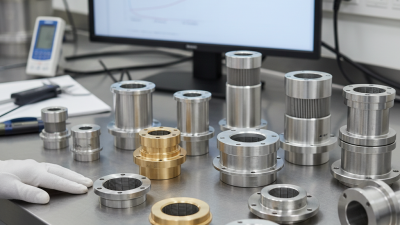
Material choice is another key factor. Flame arresters can be made from metals or fiberglass. Each has its pros and cons regarding durability and resistance to corrosion. According to a recent industry analysis, up to 30% of equipment failures stem from material degradation. Buyers need to weigh costs versus longevity carefully.
Lastly, maintenance requirements cannot be overlooked. Some flame arresters need regular checks while others are low maintenance. A 2022 study revealed that 15% of flame arrestors fail due to inadequate maintenance. This statistic highlights the importance of thorough training for staff who will oversee equipment reliability. Potential buyers should prepare for existing shortcomings in maintenance processes.
Regional Variations in Flame Arrester Standards and Regulations
Flame arresters are critical for preventing explosions in various industries. However, standards and regulations vary significantly across regions. In North America, for instance, the National Fire Protection Association (NFPA) has stringent guidelines. These standards focus on the design and performance of flame arresters, ensuring safety in different applications.
In Europe, the regulations differ. The ATEX directive governs equipment used in explosive atmospheres. Manufacturers must comply with specific testing and certification processes. These regional variations can impact the selection of flame arresters for global buyers. Understanding local requirements is crucial for compliance and safety.
Buyers often overlook the implications of these differences. It can lead to purchasing non-compliant equipment. This oversight could result in safety hazards. Selecting the appropriate flame arrester requires careful consideration. Understanding regional standards is essential for ensuring reliable and effective safety solutions. Ignoring local regulations can have serious consequences.
Top Flame Arrester Solutions for Global Buyers
Conclusion
The article "Top Flame Arrester Solutions for Global Buyers to Consider" provides a comprehensive overview of flame arresters, exploring their types and applications across various industries. It highlights the increasing demand for flame arresters, driven by safety regulations and industry standards. Buyers are guided through key factors influencing their selection, such as effectiveness, maintenance costs, and compliance with regional standards.
The discussion also covers market trends, emphasizing the importance of innovation and technological advancements in enhancing the cost-efficiency of flame arresters. As industries evolve, understanding regional variations in standards and regulations becomes essential for buyers to ensure they choose the most suitable flame arresters for their specific applications.